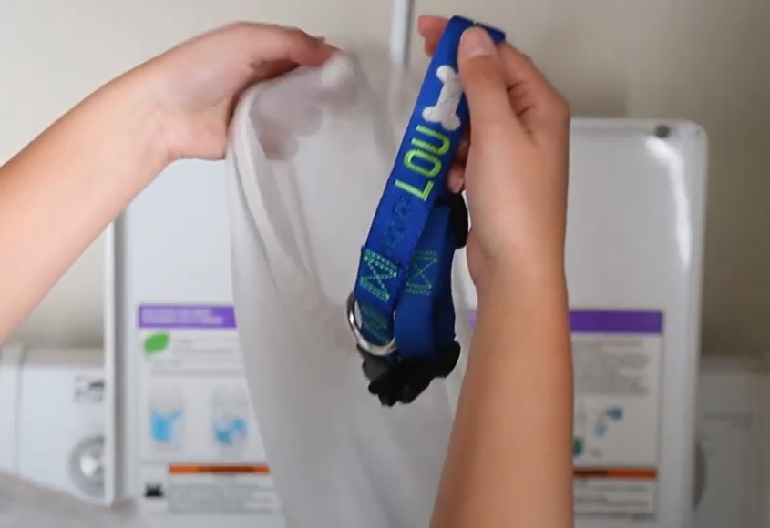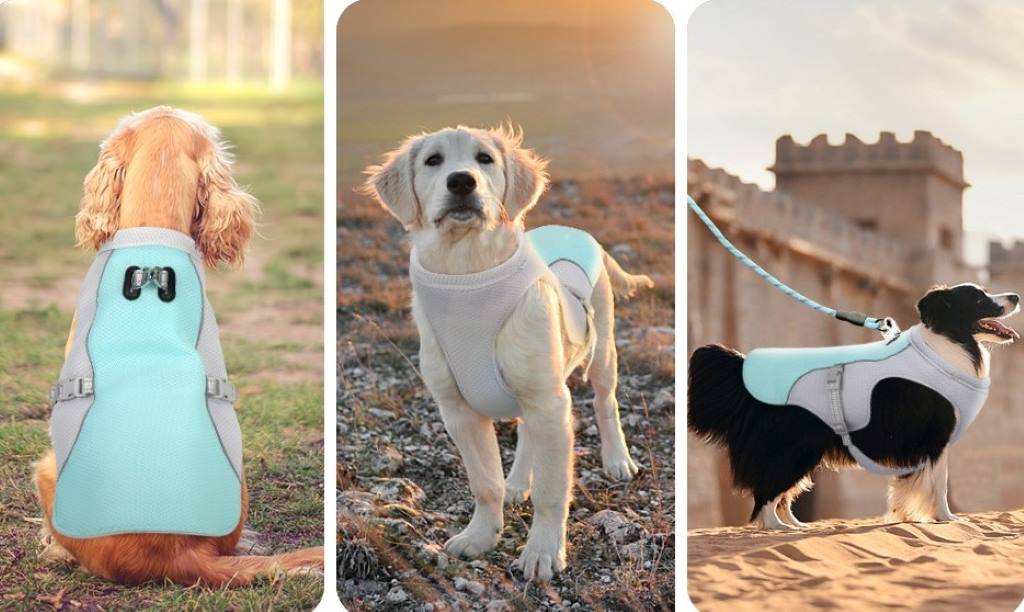
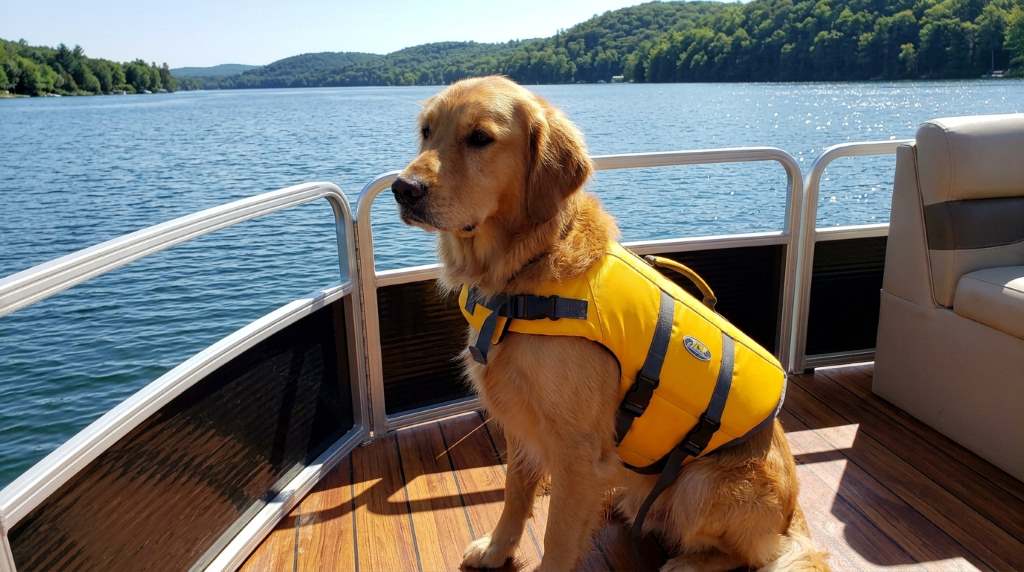
Yes, your pet needs a dog life jacket whenever water activities create a drowning or fatigue risk. Even strong canine swimmers can become exhausted, disoriented, or unable to keep their heads above water. The American Kennel Club recommends flotation support for dogs around boats and open water. The Red Cross also emphasizes layers of protection because drowning can happen in less than a minute. A properly fitted Dog life jacket adds flotation, visibility, and a secure handle during emergencies.
Why Dogs Need Extra Protection Around Water
Dogs often look confident around water, but swimming ability varies greatly between individual pets. Some dogs struggle because of body shape, short legs, flat faces, age, or limited swimming experience.
Furthermore, calm water can become dangerous when wind, waves, currents, or boat movement changes suddenly. A dog may swim well under normal conditions but struggle when exhaustion or panic affects coordination.
For that reason, swimming ability should never replace safety equipment. A life jacket gives your dog additional flotation when natural swimming ability cannot provide enough support.
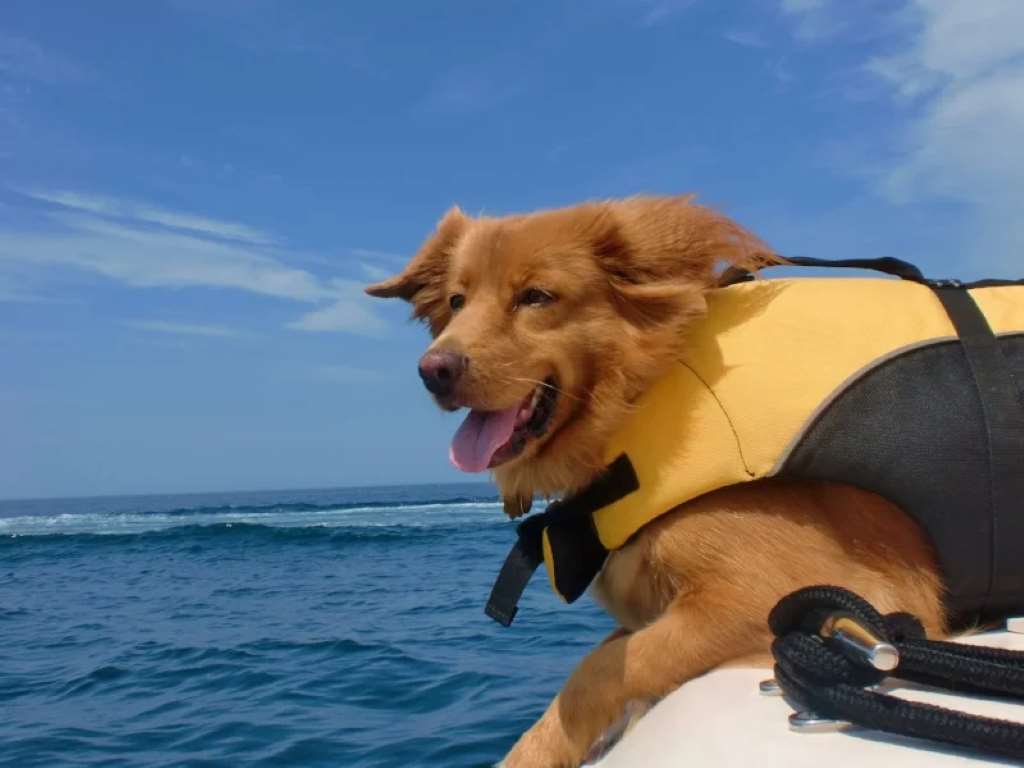
How a Dog Life Jacket Helps Prevent Emergencies
It Provides Extra Buoyancy
The main purpose of a canine life jacket involves keeping your dog supported at the water surface. This support can reduce the effort required to stay afloat during longer swimming sessions.
Moreover, flotation support becomes especially useful when your dog becomes tired. A fatigued dog may struggle to maintain proper body position, particularly in deep or moving water.
Many jackets also support the chest and torso, helping dogs maintain a more stable position. That extra support can give you valuable time to reach your pet during trouble.
It Helps Keep Your Dog Visible
Visibility matters when your dog swims away from you or falls unexpectedly from a boat. Bright colors can make a moving dog easier to locate against dark water.
Some designs also include reflective materials for improved visibility during low light conditions. Therefore, a highly visible jacket can help you monitor your dog from greater distances.
Visibility also helps other boaters notice your dog more quickly. This advantage becomes particularly important around crowded beaches, marinas, lakes, and busy waterways.
It Makes Rescue Easier
A strong rescue handle can give you a safer way to lift or guide your dog. You can use it when your pet needs assistance leaving the water.
However, never lift a struggling dog without considering your own safety. Instead, move carefully, maintain control, and avoid creating additional danger during a rescue.
A properly positioned handle also helps you guide inexperienced swimmers during their first water sessions. This feature can make supervised training more controlled and less stressful.
Which Dogs Benefit Most From Life Jackets?
Every dog can benefit from flotation support during risky water activities. However, certain dogs face greater challenges and deserve extra protection.
- Puppies still learning basic swimming skills
- Senior dogs with reduced stamina
- Short nosed breeds with breathing or buoyancy challenges
- Dogs with short legs or unusual body proportions
- Dogs recovering from reduced activity or conditioning
- Pets unfamiliar with deep or moving water
- Dogs joining boating, kayaking, or paddleboarding trips
For example, Bulldogs and other flat faced breeds may have difficulty keeping their heads above water. Similarly, puppies can tire quickly because they lack experience and endurance.
Therefore, owners should assess individual swimming ability instead of assuming every dog can handle water safely. A life jacket provides an additional safety layer for uncertain situations.
Why Strong Swimmers Still Need a Life Jacket
Many owners assume strong swimmers do not need flotation equipment. That assumption can create unnecessary risk because swimming strength does not prevent fatigue, panic, or sudden accidents.
Consider a dog that falls from a moving boat. The unexpected impact may disorient the animal before it begins swimming.
Likewise, strong currents can force a dog to swim harder than expected. Over time, that effort can drain energy and make returning to shore difficult.
A life jacket therefore works as backup protection rather than a replacement for swimming ability. You still need close supervision whenever your dog enters or approaches water.
Why Boating Makes a Life Jacket Especially Important
Boating creates risks that swimming alone does not create. Your dog can slip from a deck, jump unexpectedly, or fall into water after the boat changes direction.
Consequently, dogs should wear properly fitted flotation equipment whenever they spend time on boats, kayaks, canoes, or paddleboards. The American Kennel Club specifically recommends life jackets for dogs on watercraft.
Never tether your dog directly to a boat, kayak, or floating platform. If the vessel capsizes, a tether could trap your dog and create another serious hazard.
Instead, use a secure jacket, maintain close supervision, and plan how you will recover your dog after an accidental fall.
How to Find the Right Dog Life Jacket
Measure Your Dog Before Buying
Start by measuring your dog’s body according to the manufacturer’s sizing instructions. Check weight, chest measurements, neck measurements, and body length when those measurements apply.
A jacket that fits incorrectly can slip, restrict movement, or interfere with normal swimming. Therefore, never rely only on your dog’s breed name when selecting a size.
Look for Adjustable Straps
Adjustable straps allow you to create a secure fit around your dog’s body. They also help accommodate minor differences between dogs with similar measurements.
After fastening the jacket, check that it stays secure without creating uncomfortable pressure. Your dog should move the legs, neck, and shoulders naturally.
Prioritize a Rescue Handle
A rescue handle provides a practical advantage during emergencies. It can help you control your dog while assisting them from water.
However, test the handle before relying on it during an actual emergency. Inspect the stitching, attachment points, and surrounding material for damage.
Consider Bright Colors
Bright colors improve visual contrast between your dog and the surrounding water. This feature can help you monitor pets that swim several yards away.
Reflective sections can offer additional visibility when daylight becomes limited. For boating trips, visibility deserves the same attention as flotation and fit.
How to Introduce Your Dog to a Life Jacket
Do not put the jacket on your dog for the first time immediately before swimming. Instead, introduce the equipment gradually in a calm environment.
First, let your dog inspect the jacket without wearing it. Reward calm behavior with praise or treats, then gently place the jacket around the body.
Next, allow your dog to walk around indoors while wearing the jacket. Watch for rubbing, restricted movement, loose straps, or signs of discomfort.
Once your dog accepts the jacket, move to shallow, calm water. Encourage gradual entry and remain close enough to provide immediate assistance.
Common Mistakes Dog Owners Should Avoid
- Assuming every dog naturally knows how to swim
- Using a human life jacket instead of canine equipment
- Allowing swimming without close supervision
- Ignoring loose, damaged, or worn straps
- Starting with deep or fast moving water
- Letting dogs swim until extreme fatigue
- Allowing dogs to drink large amounts of recreational water
Water ingestion deserves special attention during swimming and retrieving games. Dogs can swallow excessive water while repeatedly grabbing toys, which can cause dangerous water intoxication.
For that reason, provide fresh drinking water and take regular breaks during swimming activities. Never treat a life jacket as permission for unlimited swimming.
How to Check a Dog Life Jacket Before Every Trip
Inspect the jacket before your dog enters the water. Look for torn fabric, damaged buckles, loose stitching, worn straps, or compromised flotation material.
Then secure every strap according to the manufacturer’s instructions. Check the fit again after your dog moves because some jackets can shift during activity.
Test the jacket in shallow water before using it during a major outing. This simple step lets you confirm buoyancy, comfort, and movement without unnecessary exposure to deep water.
Regular inspection also protects against equipment failure. The American Red Cross recommends checking buckles and straps and replacing damaged life jackets.
Water Safety Practices That Work With a Life Jacket
A life jacket works best as one part of a broader water safety plan. You should also supervise your dog closely and control access to dangerous water.
Keep fresh drinking water available during outdoor activities. Additionally, provide shade and rest periods when your dog spends extended time outdoors.
Never force a nervous dog into the water. Instead, introduce swimming gradually and allow your pet to build confidence through positive experiences.
Avoid floodwater and fast moving water because hidden hazards and strong currents can overwhelm dogs quickly. The American Kennel Club warns that even six inches of moving floodwater can knock down a dog.
When Should Your Dog Wear a Life Jacket?
Your dog should wear a life jacket during boating, kayaking, paddleboarding, and deep water activities. It also makes sense during swimming sessions when your dog has limited experience or stamina.
Consider using one near lakes, rivers, oceans, and unfamiliar pools. Water conditions can change quickly, so preparation provides better protection than reacting after trouble begins.
However, a jacket does not mean you can leave your dog unattended near water. Close supervision remains essential because flotation equipment cannot prevent every possible accident.
Dog Life Jacket vs. Dog Life Vest
People often use the terms life jacket and life vest interchangeably, but designs can serve different purposes. Life jackets generally provide greater coverage, flotation, and visibility than lighter vests.
A lighter vest may work well for relaxed pool activities. In contrast, a more supportive jacket usually makes better sense for boating and open water.
Always consider your dog’s activity, swimming ability, body shape, and water conditions. The right equipment should match the actual environment rather than simply look comfortable.
What to Pack for a Dog Water Adventure
- Properly fitted dog life jacket
- Fresh drinking water
- Portable water bowl
- Leash for controlled land movement
- Dry towels
- Basic first aid supplies
- Shade or cooling equipment
- Safe floating toys
- Identification information
Preparing these supplies before leaving reduces the chance of overlooking basic safety needs. More importantly, preparation lets you focus on your dog’s behavior and surroundings.
Keep emergency supplies easy to reach rather than buried under other equipment. A few seconds can matter when an unexpected water incident occurs.
Signs Your Dog Needs a Break From Swimming
Watch for changes in swimming technique, slower movement, heavy breathing, difficulty maintaining position, or repeated attempts to leave the water. These signs can indicate fatigue or discomfort.
Furthermore, take breaks before your dog reaches extreme exhaustion. Shorter sessions can provide safer and more enjoyable experiences than one long swimming session.
If your dog appears confused, weak, unusually tired, or distressed after swimming, stop the activity. Contact a veterinarian promptly when symptoms appear severe or continue after rest.
Conclusion: Give Your Dog an Extra Layer of Water Safety
A dog life jacket can provide flotation, visibility, and better control when your pet enters the water. It remains useful even when your dog already swims confidently.
Choose equipment that fits securely, includes useful rescue features, and matches your dog’s activity. Then introduce the jacket gradually and test it before heading into deeper water.
Most importantly, combine flotation equipment with close supervision, fresh drinking water, rest periods, and sensible water choices. Before your next lake, beach, or boating trip, make a properly fitted dog life jacket part of your safety checklist.
Frequently Asked Questions
Does every dog need a life jacket?
Not every dog needs one for ordinary land activities, but every dog entering risky water can benefit from flotation support.
Can strong swimming dogs wear life jackets?
Yes, strong swimmers should wear life jackets during boating and challenging water activities because fatigue and accidents can happen suddenly.
Can a dog life jacket prevent drowning?
A properly fitted jacket can improve flotation and reduce drowning risk, but it cannot replace direct supervision.
How should a dog life jacket fit?
The jacket should fit securely without slipping or restricting your dog’s normal movement, breathing, or swimming motion.
Should puppies wear life jackets?
Yes, puppies can benefit from properly fitted flotation equipment while they gradually learn swimming skills in calm, shallow water.