Summer heat can be tough on our furry friends. Unlike humans, dogs can’t sweat to cool down, making them more vulnerable to overheating and heatstroke. A cooling jacket is a simple yet effective way to help your dog stay comfortable during hot weather, whether you’re on a hike, at the park, or just lounging in the backyard.
With so many options available, choosing the right cooling jacket can feel overwhelming. This guide will walk you through everything you need to know, from how cooling jackets work to what features to look for. By the end, you’ll be ready to pick the perfect jacket to keep your pup cool and happy all summer long.
If you’re searching for the best cooling jacket for dogs, you’re in the right place. The right jacket can make a world of difference in your dog’s comfort and safety.
Why Do Dogs Need Cooling Jackets?
Dogs regulate their body temperature primarily through panting and the pads of their feet. However, in extreme heat or high humidity, these methods aren’t always enough. Overheating can lead to heatstroke, a serious condition that can cause organ failure or even death.
Cooling jackets work by using evaporative cooling or gel inserts to lower your dog’s body temperature. They’re especially useful for:
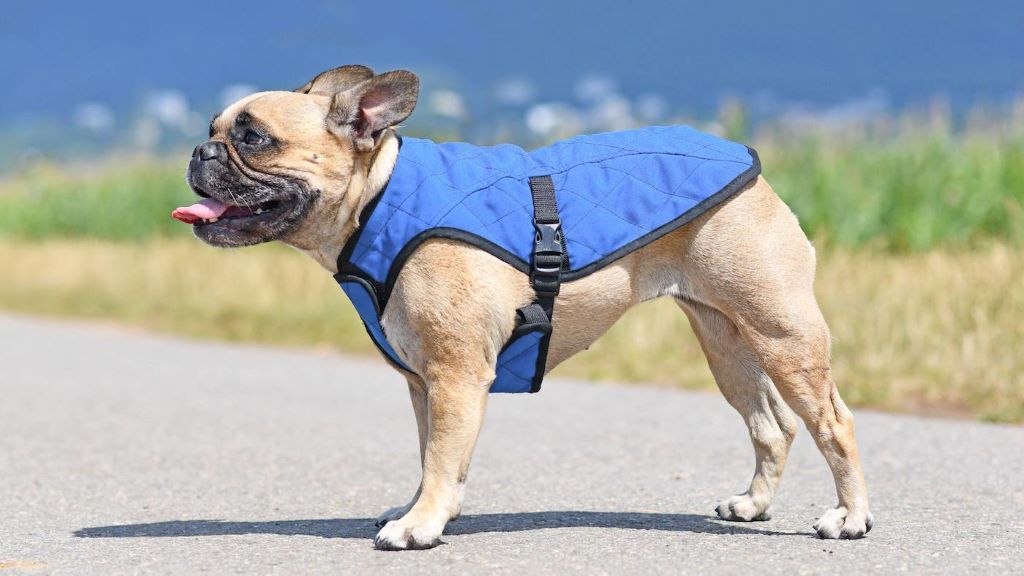
- Brachycephalic breeds (like Bulldogs, Pugs, and French Bulldogs), which have shorter noses and struggle to pant effectively.
- Dogs with thick or dark coats, which absorb more heat.
- Active or working dogs, who generate extra body heat during exercise.
- Senior dogs or those with health conditions, who may have a harder time regulating their temperature.
I learned the importance of cooling jackets the hard way. During a summer hike with my Labrador, I noticed he was panting excessively and seemed sluggish. After soaking his cooling vest in water, he perked up almost immediately. Since then, it’s been a staple in our summer gear.
How Cooling Jackets Work
Evaporative Cooling
Most cooling jackets use evaporative cooling. You soak the jacket in water, wring it out, and put it on your dog. As the water evaporates, it draws heat away from your dog’s body, lowering their temperature. This method is simple, effective, and doesn’t require refrigeration or electricity.
Gel or Ice Pack Inserts
Some jackets come with removable gel or ice packs that you freeze before use. These provide a more intense cooling effect but are heavier and less flexible. They’re ideal for short-term use, like after a vet visit or during a car ride.
Phase Change Materials
A few high-end jackets use phase change materials (PCMs), which absorb and release heat as they change from solid to liquid. These are less common but offer long-lasting cooling without the need for soaking.
Key Features to Look For
1. Material
Look for lightweight, breathable fabrics like polyester or nylon. Avoid heavy or non-breathable materials, which can trap heat. The best jackets have a mesh or perforated design to allow airflow.
2. Fit and Adjustability
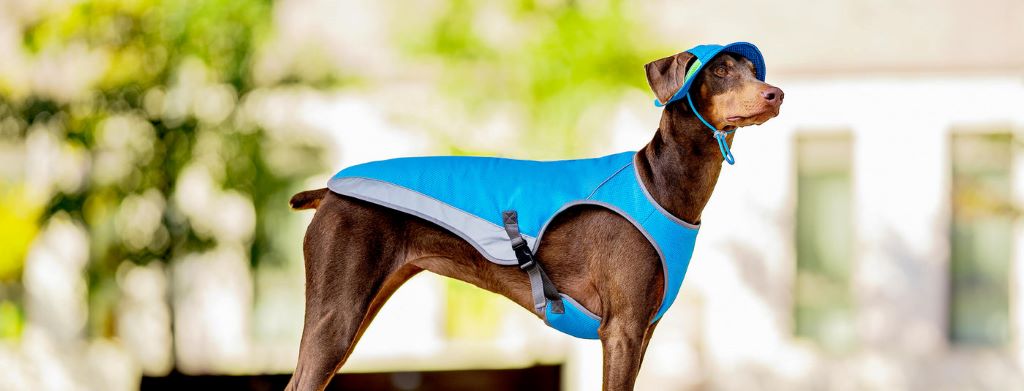
A well-fitting jacket should cover your dog’s back and chest without restricting movement. Look for adjustable straps or Velcro closures to ensure a snug, comfortable fit. Measure your dog’s chest and back length before buying, and check the manufacturer’s sizing chart.
3. Cooling Duration
Evaporative jackets typically last 1–4 hours, depending on the heat and humidity. Gel packs may last 30 minutes to 2 hours. If you’re planning a long outing, bring extra water to re-soak the jacket or a spare gel pack.
4. Ease of Use
Choose a jacket that’s easy to put on and take off. Some designs feature a simple wrap-around style, while others have buckles or zippers. Consider your dog’s temperament—some may resist anything that goes over their head.
5. Durability
Dogs can be rough on their gear. Look for reinforced stitching, durable fabric, and secure fastenings. Machine-washable jackets are a plus for easy cleaning.
6. Visibility
If you’ll be using the jacket during walks or hikes, opt for bright colors or reflective strips to keep your dog visible in low light.
How to Choose the Right Size
A poorly fitted cooling jacket won’t work effectively and can cause discomfort. Here’s how to find the right size:
- Measure Your Dog
- Chest: Measure around the widest part of your dog’s ribcage.
- Back Length: Measure from the base of the neck to the base of the tail.
- Check the Sizing ChartCompare your measurements to the manufacturer’s sizing guide. Sizes typically range from XS (for small breeds like Chihuahuas) to XL (for large breeds like Labradors or German Shepherds).
- Consider Your Dog’s Build
- Slim or athletic dogs may need a more form-fitting jacket.
- Stocky or barrel-chested breeds (like Bulldogs) may require a wider or adjustable design.
If your dog is between sizes, opt for the larger size and adjust the straps for a secure fit.
Top Cooling Jacket Styles for Different Needs
For Active Dogs
Look for lightweight, breathable jackets with secure fastenings. The Ruffwear Swamp Cooler or Canada Pooch Cooling Vest are popular choices for hiking or running.
For Brachycephalic Breeds
Choose a jacket with extra coverage around the neck and chest, where these breeds struggle most with heat. The Chilly Dog Cooling Vest is a great option.
For Long-Haired or Double-Coated Breeds
Opt for a jacket with maximum coverage and cooling power. The Cooling Dog Vest by RC Pets is designed to work through thick fur.
For Travel or Car Rides
Gel-based jackets like the K&H Pet Products Cool Bed III are ideal for short-term cooling during trips.
For Everyday Use
Evaporative jackets like the All for Paws Chill Out Coat are easy to use and maintain, making them perfect for daily walks or backyard play.
How to Use a Cooling Jacket Safely
Soaking the Jacket
- Fill a sink or bucket with cool (not ice-cold) water.
- Submerge the jacket for 2–5 minutes, ensuring it’s fully saturated.
- Gently wring out excess water—it should be damp, not dripping.
Putting It On
- Lay the jacket flat and guide your dog’s front legs through the leg holes (if applicable).
- Secure the straps or fastenings snugly but not too tight. You should be able to fit two fingers between the jacket and your dog’s body.
Monitoring Your Dog
- Watch for signs of discomfort, such as excessive scratching or trying to remove the jacket.
- Check the jacket periodically to ensure it’s still damp. Re-soak as needed.
- Never leave a wet jacket on your dog for more than 4–6 hours, as prolonged dampness can cause skin irritation.
Removing the Jacket
- Take the jacket off as soon as your dog is in a cooler environment.
- Rinse it with clean water and hang it to dry in a shaded area.
Maintenance Tips
Cleaning
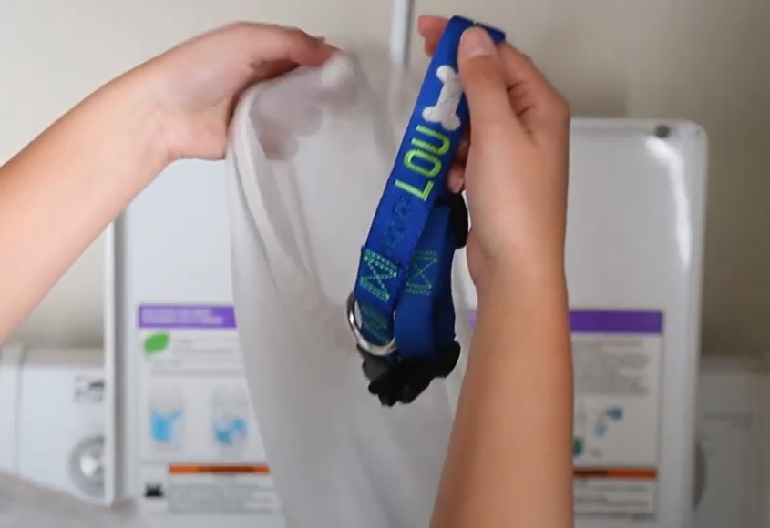
- Evaporative jackets: Hand wash with mild soap and water. Avoid fabric softeners, which can clog the fabric’s pores and reduce cooling efficiency.
- Gel-based jackets: Wipe the gel packs with a damp cloth. Do not submerge them in water.
Storage
- Store the jacket in a cool, dry place when not in use.
- Avoid direct sunlight, which can degrade the fabric or melt gel packs.
Replacing
- Inspect the jacket regularly for signs of wear, such as frayed edges or leaks in gel packs.
- Replace the jacket if it no longer holds water or the cooling effect diminishes.
FAQs About Cooling Jackets for Dogs
How long do cooling jackets stay cool?
Evaporative jackets typically stay cool for 1–4 hours, depending on the temperature and humidity. Gel-based jackets last about 30 minutes to 2 hours.
Can I use a cooling jacket indoors?
Yes, but ensure your home is well-ventilated. Cooling jackets are most effective in dry, hot conditions. Avoid using them in humid or air-conditioned spaces, where evaporation is slower.
Are cooling jackets safe for all dogs?
Most dogs can safely use cooling jackets, but avoid them for dogs with skin conditions or open wounds. Always monitor your dog for signs of discomfort.
Can I make a DIY cooling jacket?
You can dampen a towel or bandana for short-term cooling, but commercial cooling jackets are designed for better coverage, durability, and safety.
How do I know if my dog is overheating?
Signs of overheating include excessive panting, drooling, lethargy, vomiting, or collapse. If you suspect heatstroke, remove the jacket, offer cool (not cold) water, and contact your vet immediately.
Conclusion
Choosing the best cooling jacket for dogs is a game-changer for keeping your pup safe and comfortable in the heat. Focus on the right material, fit, and cooling method for your dog’s needs, and don’t forget to monitor them closely during use.
With the right jacket, you and your dog can enjoy summer adventures without the worry of overheating. Share your favorite cooling tips or ask questions in the comments below—let’s keep our furry friends cool together!