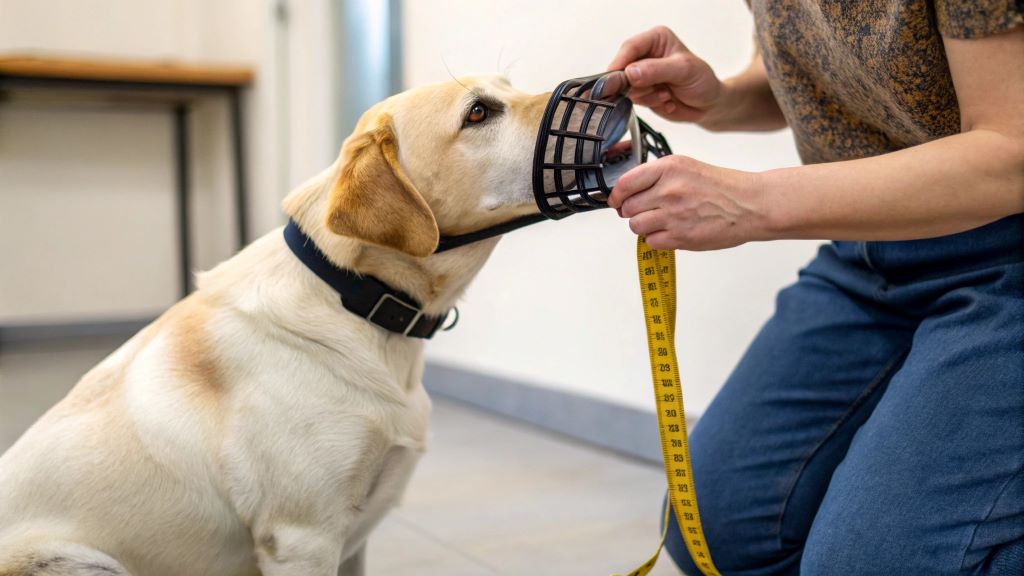

Choose a Gardner Pet Dog Stairs Ramp by matching your dog’s size, mobility, destination height, stride, traction needs, and available floor space. A ramp usually suits dogs that struggle with steps, while stairs can work well for confident dogs with steady movement. In 2025, dog ownership reached 53% of U.S. households, representing about 71 million households, according to APPA. The same organization reports that dog ownership increased by roughly 4 million households from the previous year. That growing audience makes thoughtful mobility equipment increasingly relevant. A Gardner Pet Dog Stairs Ramp should therefore solve a specific access problem rather than simply look convenient.
Key Takeaways
- Measure your dog and destination before comparing stairs or ramps.
- Use a ramp when your dog struggles with lifting each leg onto steps.
- Choose stairs when your dog confidently handles short, stable steps.
- Prioritize traction, width, stability, and a secure top landing.
- Leave extra weight capacity because dogs move differently than static loads.
- Consider floor space because ramps need more room than most stairs.
Start With Your Dog, Not the Product
The biggest mistake involves shopping by appearance before understanding your dog’s movement. A beautiful ramp can fail if your dog dislikes its surface, angle, width, or movement pattern.
Instead, watch how your dog approaches the furniture or vehicle. Notice hesitation, slipping, awkward stepping, turning sideways, or sudden jumping during normal movement.
These behaviors provide useful clues about the type of access aid your dog may tolerate. However, sudden mobility changes deserve veterinary attention because dogs can hide discomfort surprisingly well.
Consider Age and Mobility
Senior dogs often need easier access because age can affect balance, strength, flexibility, and confidence. Similarly, dogs recovering from surgery may need controlled movement rather than repeated jumping.
Small dogs can face another challenge because standard steps may have excessive rise. Long bodied dogs may also prefer a gradual surface that avoids repeated sharp changes in body position.
Therefore, do not treat breed size as the only deciding factor. Compare your dog’s actual body proportions, movement habits, and destination before making the final decision.
Decide Between Stairs and a Ramp
Stairs create several small vertical movements, while a ramp creates one continuous walking surface. That difference matters because your dog may find one movement natural and another uncomfortable.
Choose stairs when your dog confidently climbs household steps and has enough coordination for repeated stepping. Stairs also occupy less floor space, which helps in bedrooms, apartments, and compact living areas.
Choose a ramp when your dog struggles with lifting the legs, stepping upward, or maintaining balance. A gradual surface can also help dogs that need a simpler movement pattern.
| Feature | Stairs | Ramp |
|---|---|---|
| Movement | Repeated stepping | Continuous walking |
| Floor space | Usually smaller | Usually larger |
| Best fit | Confident steppers | Dogs needing gradual access |
| Storage | Often easier | May require folding or telescoping |
| Furniture access | Excellent for repeated use | Excellent when space permits |
Measure the Destination Before Buying
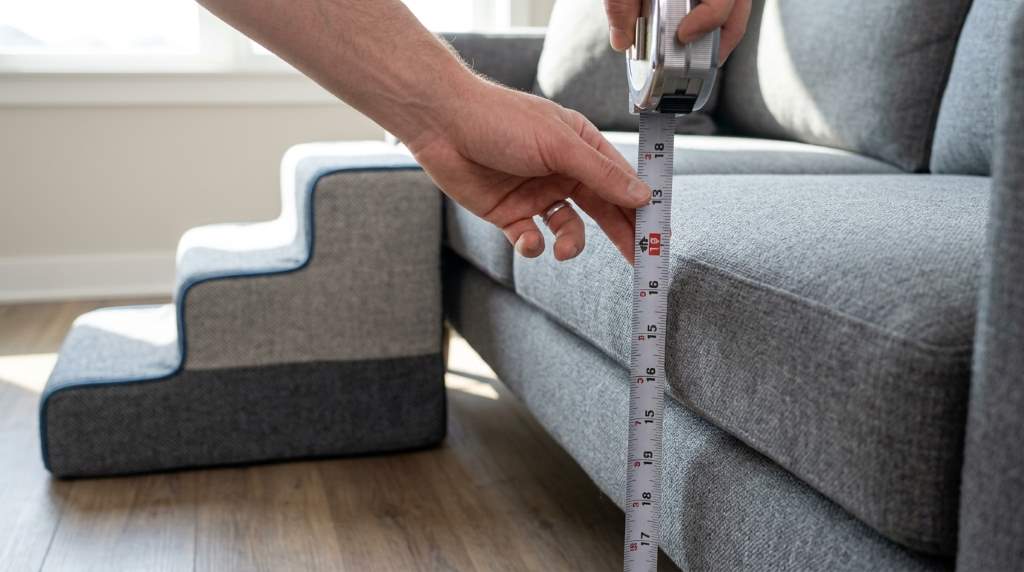
Measure the vertical distance from the floor to the exact surface your dog needs to reach. Do not estimate this measurement from the furniture’s general appearance.
A tall mattress, thick cushion, raised platform, or vehicle cargo area can create a larger climb than expected. Consequently, a product that looks suitable in photographs may finish too low.
Measure the available floor length as well. This measurement becomes especially important with ramps because a comfortable incline requires more horizontal space.
Check the Top Landing
The top transition deserves special attention because many dogs hesitate when the ramp ends too close to the furniture edge. Your dog needs enough room to step forward confidently after reaching the destination.
Likewise, check the bottom area for obstacles such as furniture legs, rugs, toys, or narrow walkways. A clear approach makes the entire movement easier and reduces awkward turns.
Match Step Rise to Your Dog
Stair height matters more than the number of steps printed on the product description. A four step design can still feel difficult if each step rises too high for your dog.
Compare each step with your dog’s leg length and natural stepping pattern. Smaller dogs generally need shorter rises, while larger dogs may manage deeper and taller steps more comfortably.
However, do not assume that a larger dog automatically needs steep stairs. Mobility limitations can make shallow, deep steps more appropriate for dogs of any size.
Look at Tread Depth
Your dog should have enough tread space to place the paws securely without hanging over the edge. Deeper treads can give cautious dogs more confidence during each transition.
Also examine the final step carefully. A large gap between the last step and the furniture can force your dog to jump, defeating the purpose of the product.
Evaluate Ramp Length and Incline
A ramp that feels too steep can cause hesitation, slipping, or refusal. Therefore, compare the height you need with the available ramp length rather than buying based only on weight capacity.
A longer ramp generally creates a gentler path for the same destination height. Yet longer does not always mean better because your room may not provide enough usable floor space.
For that reason, measure both dimensions before ordering. Your goal involves a practical balance between comfortable movement and realistic placement.
Prioritize Width and Stability
Width affects confidence because dogs need enough room to maintain a natural walking position. A narrow surface can feel unstable, especially for broad dogs or those with reduced balance.
Look for a base that stays firmly planted during both ascent and descent. Rubber feet, wide supports, locking mechanisms, and a rigid frame can improve stability.
Also test the product manually before regular use. Push gently from several directions and check whether the structure shifts, bends, folds, or rocks.
Leave Weight Capacity Headroom
Never match the product’s maximum capacity exactly to your dog’s current weight. Dogs create changing loads when they accelerate, stop, turn, or hesitate.
Instead, select a product with meaningful capacity above your dog’s weight. This approach gives you more structural margin and can support future weight changes.
Inspect the Walking Surface
Traction often determines whether a dog actually uses stairs or ramps successfully. Smooth plastic, polished wood, or slippery fabric can make a perfectly strong product difficult to trust.
Look for textured surfaces, carpeted treads, rubberized areas, or other materials that provide reliable paw grip. The surface should remain secure when your dog walks slowly and quickly.
Check the surface regularly because dirt, hair, moisture, and wear can reduce traction. Clean the walking area according to the manufacturer’s care instructions and replace worn components when necessary.
Think About Your Home Layout
The right mobility aid must fit your daily routine, not just your dog. A bulky ramp can become inconvenient if you need to move it several times each day.
Measure the storage location before buying a folding or telescoping design. Likewise, check whether the folded product fits your vehicle if you plan to use it outside.
For permanent bedroom access, stairs may provide a cleaner setup. For occasional vehicle use, a portable ramp may provide more practical flexibility.
Match the Product to the Main Use
Furniture access and vehicle access create different design requirements. A bedroom product can remain in one position, while a vehicle product usually needs portability and quick setup.
For beds and sofas, prioritize stability, quiet operation, comfortable steps, and attractive placement. For vehicles, prioritize weight, folded dimensions, grip, setup speed, and secure positioning.
Furthermore, consider whether you need access to one destination or several. A portable option may make more sense when your dog regularly travels between rooms and vehicles.
Furniture Height Changes the Decision
A low sofa may require only a compact stair system. A tall bed can require a longer ramp or a taller stair structure with more gradual movement.
Measure the actual furniture rather than relying on generic categories such as sofa, chair, or bed. Manufacturers often design products around specific height ranges, so accurate measurements improve compatibility.
Consider Material and Maintenance
Material affects weight, durability, cleaning, appearance, and stability. Plastic can offer easy movement, while wood can provide a heavier and more permanent structure.
Foam stairs can work well for smaller dogs because they feel softer and often integrate easily into bedrooms. However, soft construction should still provide enough firmness to prevent excessive compression.
For every material, inspect seams, joints, covers, feet, and surface attachments. Regular inspection helps identify wear before it affects your dog’s confidence or safety.
Train Your Dog to Use the Ramp or Stairs
Even a correctly sized product can fail if you introduce it too quickly. Start by allowing your dog to investigate the structure while it remains stable and unused.
Next, encourage one small movement at a time with familiar rewards. Keep early sessions short, calm, and predictable.
Never drag or force your dog across the surface. Instead, build confidence gradually until your dog can move across the entire route without hesitation.
Watch the First Several Uses
Observe your dog from the side and behind during the first sessions. Look for slipping, stopping, crouching, sideways movement, or repeated attempts to jump away.
If your dog repeatedly refuses the product, reassess the setup rather than blaming the dog. The surface, angle, width, height, or location may not match your dog’s needs.
Common Buying Mistakes to Avoid
- Buying before measuring furniture height.
- Choosing by weight capacity alone.
- Ignoring the available floor length.
- Using a smooth surface without adequate traction.
- Forgetting the top and bottom landing areas.
- Assuming every senior dog prefers ramps.
- Choosing steep steps because the product looks compact.
- Skipping training after installation.
A Simple Selection Checklist
Before purchasing, write down your dog’s weight, shoulder height, leg length, body width, and destination height. Then record the available floor length and width at the intended location.
Next, decide whether your dog prefers stepping or walking upward. Finally, compare stability, traction, tread dimensions, portability, storage, cleaning, and manufacturer guidance.
| Check | What to Confirm |
|---|---|
| Dog size | Weight, width, height, and body proportions |
| Mobility | Balance, strength, confidence, and movement pattern |
| Destination | Exact vertical height |
| Ramp | Length, width, incline, and traction |
| Stairs | Step rise, tread depth, width, and stability |
| Placement | Clear approach and safe landing areas |
| Maintenance | Cleaning method and replaceable components |
When to Ask Your Veterinarian
A mobility aid can improve access, but it cannot diagnose the reason behind movement changes. Contact your veterinarian when your dog suddenly avoids stairs, jumps less, limps, slips frequently, or shows unusual stiffness.
Veterinary guidance becomes especially important after surgery or when your dog has known joint, bone, muscle, or spinal problems. Your veterinarian can explain which movements your dog should limit during recovery.
Use that guidance alongside product measurements. A suitable ramp or stair system should support the movement plan rather than contradict it.
What Makes a Good Final Choice?
The best product is the one your dog can use confidently and repeatedly in the space you actually have. Product appearance matters, but movement quality should come first.
Therefore, measure before shopping, compare movement styles, inspect traction, and test stability. Then introduce the product gradually and watch how your dog responds.
Do not settle for a product simply because it matches your furniture height. A truly suitable option must also match your dog’s body, confidence, movement, and daily routine.
Frequently Asked Questions
Are dog stairs or ramps better for senior dogs?
Ramps can suit senior dogs that struggle with stepping, while shallow stairs can work for seniors who remain steady and confident.
How do I measure for dog stairs?
Measure the floor to furniture height, then compare the stair rise, tread depth, width, and total dimensions with your dog’s proportions.
How wide should a dog ramp be?
The ramp should provide enough usable width for your dog to walk naturally without crowding either edge.
Can a dog ramp replace dog stairs?
Yes, a ramp can replace stairs when your dog can manage its length, incline, traction, and available floor space safely.
Should dogs use ramps after surgery?
Dogs recovering from surgery may benefit from controlled access, but your veterinarian should determine which movements remain appropriate.
Conclusion
Choosing a Gardner Pet Dog Stairs Ramp starts with your dog’s movement rather than the product’s appearance. Measure the destination, assess mobility, compare stairs with ramps, and check stability, traction, width, and floor space.
Most importantly, introduce the equipment slowly and observe how your dog responds. Use these measurements and practical checks before buying, and consult your veterinarian when mobility changes appear suddenly.
Take your measurements today, compare suitable designs, and create a safer route to your dog’s favorite resting place.