Excessive barking can strain your peace at home and stress your dog. Studies from the American Veterinary Medical Association show that behavior issues like nuisance barking are among the top reasons dogs are surrendered to shelters. At the same time, research from animal behavior experts confirms that humane training tools can reduce unwanted barking when used correctly. One option many owners consider is a perfect dog anti bark collar. In this guide, you will learn how to choose the right one safely and effectively so your dog learns calmly and confidently.
What Is a Dog Anti Bark Collar and How Does It Work
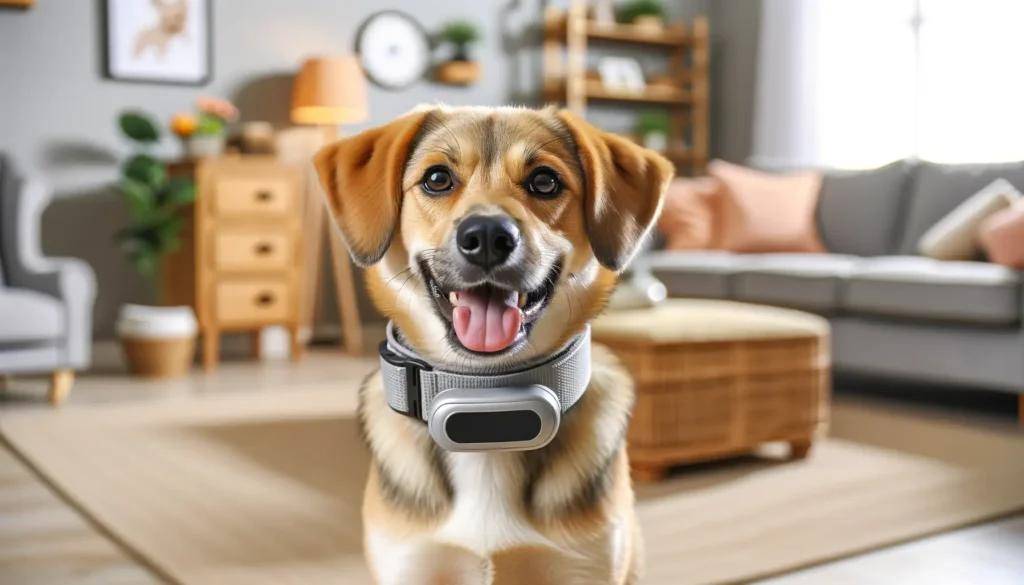
A dog anti bark collar is a training device designed to detect barking and respond with a gentle correction. The goal is not punishment but interruption and learning.
Common Detection Methods
Most collars rely on one or more of these systems
- Sound sensors that detect barking noise
- Vibration sensors that pick up throat movement
- Dual detection that combines both for accuracy
Dual detection models reduce false triggers. That means your dog will not be corrected when another dog barks nearby.
Types of Corrections
Different collars use different methods. Each has a unique purpose and training style
- Sound based collars
Emit a tone to interrupt barking. Best for sensitive dogs - Vibration collars
Deliver a mild vibration similar to a phone buzz - Spray collars
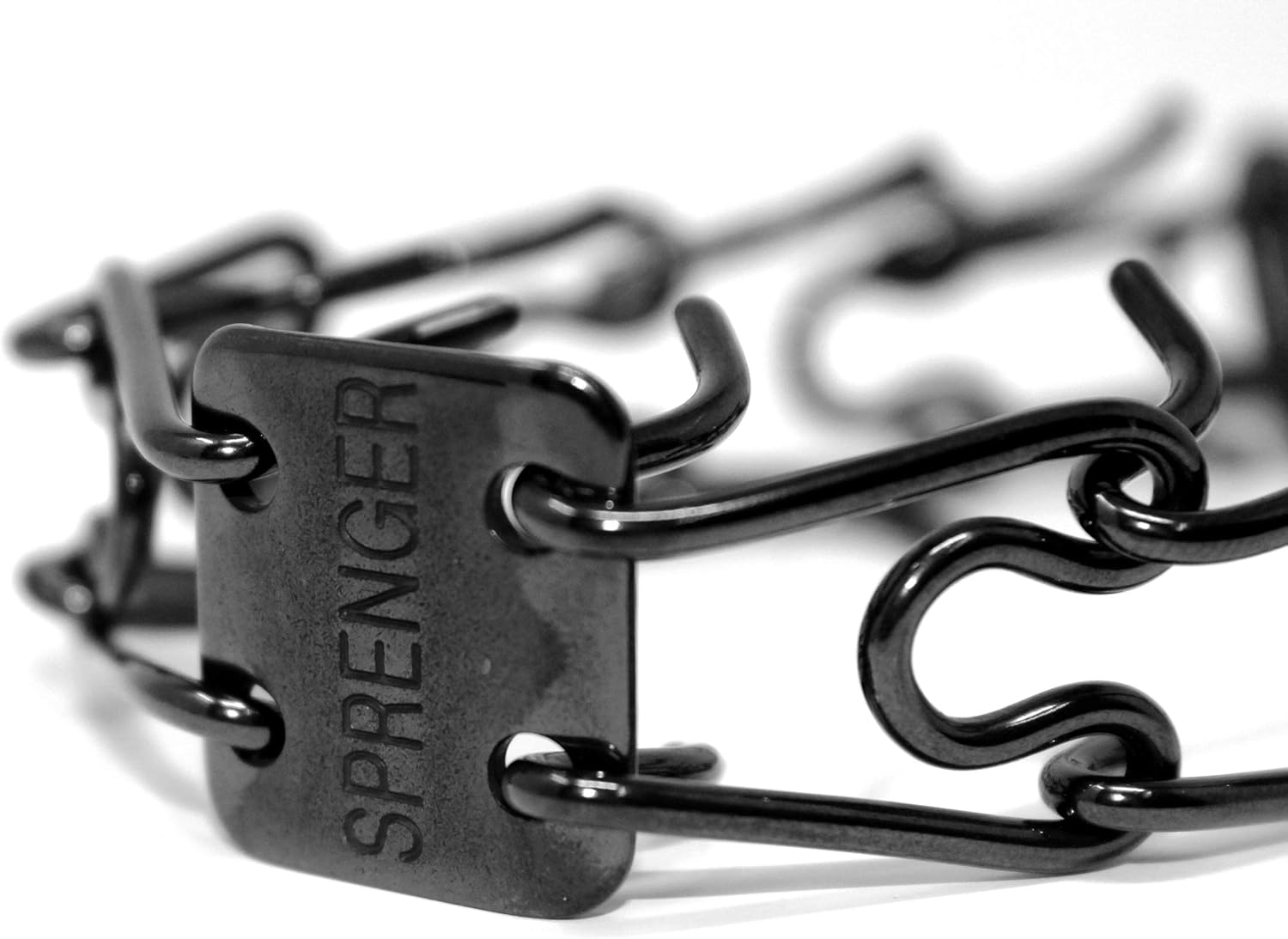
Release a harmless citronella spray near the nose - Static collars
Provide a mild static pulse. Modern versions are adjustable and safe when used properly
Each option suits different dog temperaments. Choosing the right one is key to safe training.
Why Choosing the Right Collar Matters
Not all collars work for every dog. A poor choice can confuse your pet or cause stress. On the other hand, the right collar supports learning and builds better behavior habits.
Benefits of a Well Chosen Collar
- Reduces excessive barking quickly
- Supports consistent training
- Improves neighbor relations
- Helps dogs feel calmer over time
However, misuse or poor fit can lead to problems. That is why informed selection matters.
Key Factors to Consider Before Buying
1. Dog Size and Breed
Small breeds need lighter collars with lower intensity settings. Larger breeds may require stronger signals. Always match the collar to your dog’s weight and neck size.
2. Sensitivity Levels
Adjustable sensitivity helps avoid unnecessary corrections. Start with the lowest level and increase only if needed.
3. Safety Features
Look for collars with built in safety systems such as
- Automatic shut off after repeated barking
- Progressive correction that increases gradually
- Skin friendly contact points
These features protect your dog from overstimulation.
4. Comfort and Fit
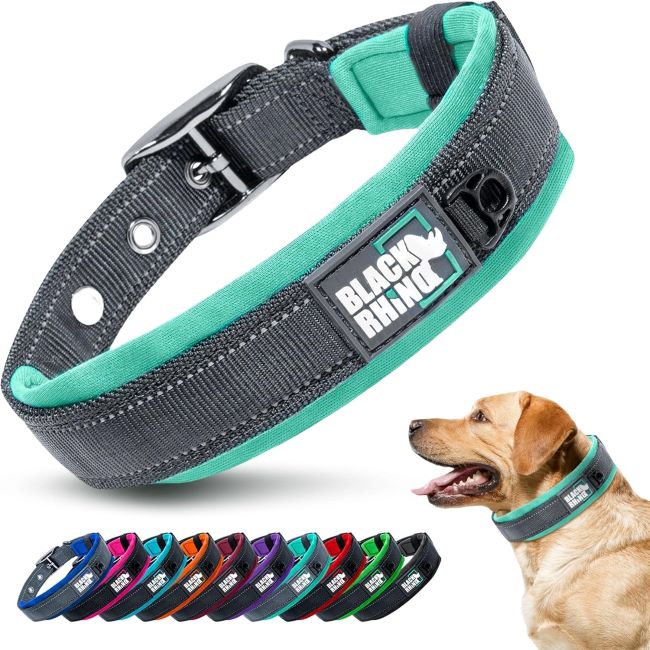
A collar should fit snugly but not tightly. You should be able to fit two fingers between the collar and your dog’s neck.
5. Training Goals
Ask yourself what you want to achieve
- Stop nuisance barking
- Reduce anxiety barking
- Train for quiet commands
Your goal will guide your choice.
Types of Dogs and Best Collar Matches
Small Dogs
Small breeds like Chihuahuas or Pomeranians respond best to
- Spray collars
- Low level vibration collars
Medium Dogs
Breeds like Beagles or Cocker Spaniels benefit from
- Vibration collars
- Adjustable static collars
Large Dogs
Larger breeds such as German Shepherds often need
- Static collars with multiple levels
- Strong vibration options
Safe Training Practices for Best Results
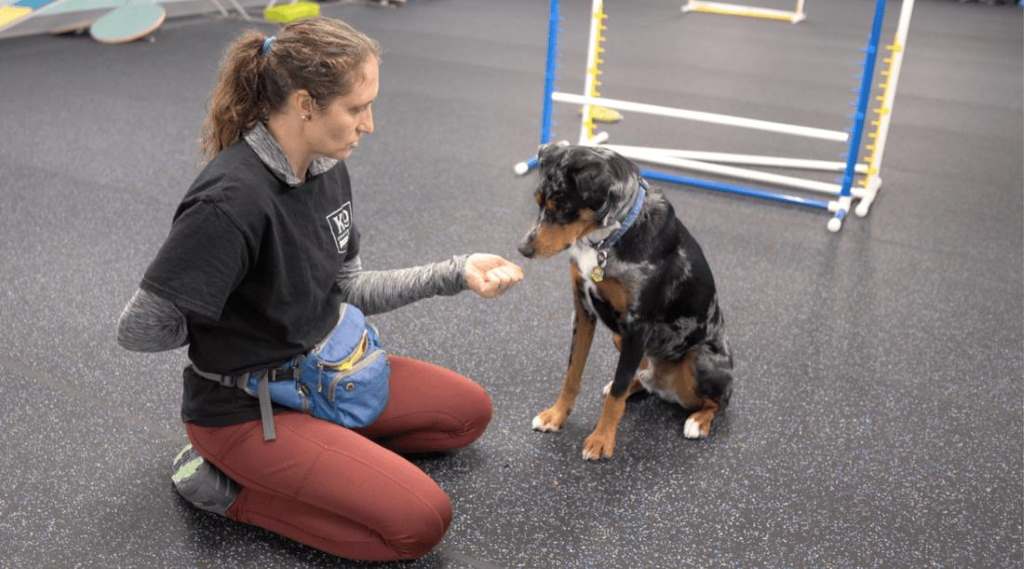
Using a collar alone is not enough. You must combine it with proper training techniques.
Step by Step Approach
- Introduce the collar without activating it
- Let your dog wear it comfortably
- Activate at the lowest setting
- Observe your dog’s reaction
- Reward calm behavior immediately
Important Tips
- Always supervise your dog during use
- Limit usage time each day
- Never use as punishment
- Combine with verbal commands
Consistency is what creates lasting behavior change.
Common Mistakes to Avoid
Many dog owners make simple mistakes that reduce effectiveness.
Mistakes That Can Harm Training
- Choosing the wrong collar type
- Using high intensity too soon
- Leaving the collar on too long
- Ignoring your dog’s stress signals
Instead, focus on gradual learning and patience.
Signs Your Dog Is Responding Well
A successful training process shows clear signs
- Reduced barking over time
- Calm response to triggers
- Increased attention to commands
- Relaxed body language
If your dog shows fear or anxiety, adjust your approach immediately.
Alternatives to Anti Bark Collars
While collars are effective, they are not the only solution.
Other Training Options
- Positive reinforcement training
- Behavioral therapy
- Environmental enrichment
- Professional dog trainers
Many owners combine methods for better results.
Expert Insights and Research Backing
Animal behaviorists agree that humane training tools can improve outcomes when used responsibly. According to research published in Applied Animal Behaviour Science, dogs trained with consistent and gentle methods show lower stress levels and better long term behavior.
Veterinary professionals also recommend pairing tools with training rather than relying on devices alone.
Real Life Example
A dog owner with a Labrador struggled with constant barking at visitors. After choosing a vibration collar and combining it with reward based training, barking reduced within two weeks. The dog learned to stay calm when guests arrived.
This shows that the right approach delivers real results.
Conclusion
Choosing the right dog anti bark collar requires careful thought. You need to consider your dog’s size, temperament, and training needs. A well chosen collar supports calm behavior and builds trust between you and your pet. Always prioritize safety and combine the tool with positive training methods. Start slow, stay consistent, and observe your dog closely. If you follow these steps, you will see meaningful improvements. Take action today and create a quieter, happier environment for both you and your dog.
FAQs
What is the safest type of anti bark collar
Spray and vibration collars are often considered the safest for most dogs. They provide gentle correction without discomfort.
Can anti bark collars hurt dogs
Modern collars are designed to be safe. However, improper use can cause stress. Always follow instructions and start with low settings.
How long should my dog wear the collar
Limit use to training sessions. Avoid leaving it on all day. Short, consistent sessions work best.
Do anti bark collars work for all dogs
Most dogs respond well, but results vary. Some may need alternative training methods.
Can I use a bark collar on a puppy
It is better to avoid collars for very young puppies. Focus on basic training and consult a vet if needed.