Pets need a cool, well ventilated place to rest when warm weather raises their body temperature. A Cooling elevated dog bed lifts your dog above hot surfaces while promoting airflow around the body. Heat related illness can become dangerous quickly, especially for vulnerable dogs. One study found a 14.18% fatality rate among recorded canine heat illness events. Another study reported a 50% mortality rate among 54 dogs treated for heatstroke.
Therefore, a cooling elevated bed can support safer and more comfortable rest during warm conditions. It also gives dogs an alternative to hot floors, thick cushions, and poorly ventilated sleeping spaces.
Why Dogs Struggle With Heat
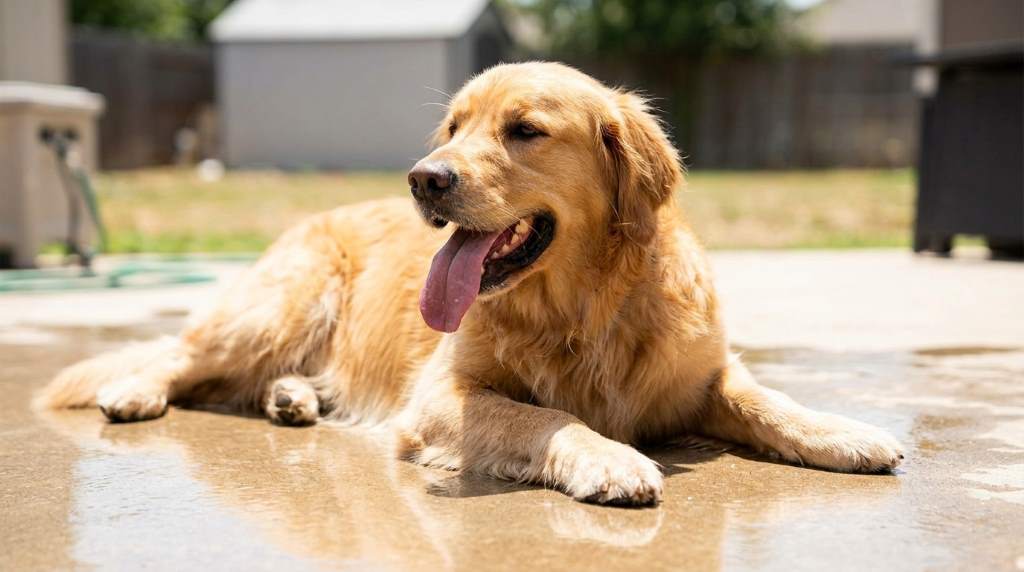
Dogs regulate body heat differently from humans, so hot weather can create serious challenges. They rely mainly on panting, blood vessel expansion, and limited sweating through their paw pads.
Because dogs cannot cool themselves through widespread sweating, they can struggle when temperatures and humidity rise. As a result, prolonged heat exposure can increase the risk of heat exhaustion and heatstroke.
Furthermore, some dogs face greater heat risks than others because of their body shape, coat, age, weight, or health. Owners should give these dogs extra protection during hot weather.
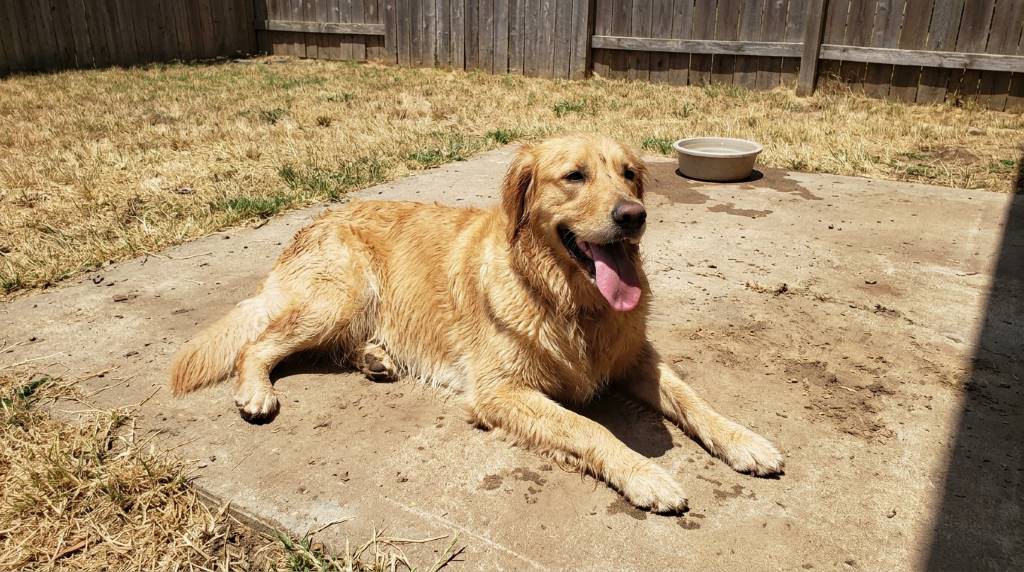
Dogs That May Need Extra Cooling Support
Short nosed breeds often face greater difficulty releasing body heat because their airway structure can limit efficient cooling. Puppies, senior dogs, overweight dogs, and dogs with certain health conditions also need careful heat management.
Research involving more than 900,000 dogs found several significant heat illness risk factors. These included brachycephalic breeds, higher body weight, older age, and body weight above 50 kilograms.
Therefore, owners should not wait for obvious overheating before improving a dog’s resting environment. A cooler sleeping area can form one useful part of a wider heat safety plan.
How an Elevated Bed Helps Dogs Stay Cooler
An elevated bed creates space between your dog and the floor, which can improve air movement. Instead of trapping body heat against a solid surface, the open space underneath allows air to circulate.
This design becomes especially useful when you place the bed in a shaded, ventilated area. A nearby fan can also improve airflow, although owners should never rely on airflow alone during extreme heat.
Additionally, elevated beds often use breathable mesh or fabric that allows heat to move away from the dog’s body. That construction can feel cooler than thick foam or plush bedding.
Airflow Around the Entire Body
Dogs often stretch out when they feel hot because exposing more body surface can help them release heat. An elevated mesh bed supports this natural behavior by allowing air to reach the underside.
In contrast, thick bedding can hold warmth around the body, particularly when the dog remains in one position. Therefore, breathable materials can make the resting surface more comfortable during warm periods.
Less Contact With Hot Floors
Outdoor decks, concrete patios, tile, and other surfaces can become uncomfortable under direct heat. An elevated bed creates physical separation between your dog and those surfaces.
However, owners should still check the surrounding temperature before placing the bed outside. A raised bed cannot make an extremely hot environment safe by itself.
Cooling Benefits Beyond Temperature Control
A cooling elevated bed can support comfort while your dog rests, sleeps, or relaxes after activity. Better comfort can encourage dogs to settle instead of constantly moving between warm and cool surfaces.
Moreover, a breathable sleeping surface can reduce the stuffy feeling that some dogs experience with thick cushions. This benefit becomes useful for dogs that naturally prefer firm, open sleeping surfaces.
Some elevated beds also work well with additional cooling strategies. Owners can combine the bed with shade, fresh water, controlled airflow, and sensible activity timing.
Why Elevated Beds Can Support Joint Comfort
Many elevated beds provide a firm, supportive surface instead of deep, sinking cushions. That structure can make getting on and off easier for some older dogs.
Senior dogs may also appreciate a stable sleeping platform that does not collapse under their weight. However, dogs with arthritis, injuries, or mobility problems may need specialized orthopedic support.
Therefore, consider your dog’s mobility before buying a cooling elevated bed. The bed should remain stable, easy to access, and appropriately sized for the dog’s body.
Support for Senior Dogs
Older dogs often spend more time resting, so their sleeping environment matters throughout the day. A breathable surface can help them remain comfortable without forcing them onto hot floors.
At the same time, senior dogs may struggle with jumping onto tall platforms. Select a reasonable bed height and watch how easily your dog climbs onto it.
Why Breathable Materials Matter
The material covering an elevated bed affects both comfort and airflow. Mesh fabrics generally allow more ventilation than thick, enclosed padding.
Look for tightly woven, durable mesh that supports your dog’s weight without sagging excessively. The surface should also feel secure enough to prevent slipping during normal movement.
Furthermore, inspect the stitching, frame connections, and corners before regular use. Strong construction matters because dogs may scratch, turn, dig, or jump onto the bed repeatedly.
Features Worth Looking For
- Breathable mesh that promotes airflow beneath the body.
- A sturdy frame that supports your dog’s weight safely.
- Non slip feet that keep the platform stable.
- Washable fabric that makes routine cleaning easier.
- A suitable height that matches your dog’s mobility.
- A wide sleeping surface that allows natural stretching.
These features can improve everyday comfort while also making the bed easier to maintain. Still, the best combination depends on your dog’s size, habits, age, and sleeping preferences.
How to Place a Cooling Elevated Dog Bed
Placement can determine how well the bed helps your dog manage heat. Put it somewhere shaded, ventilated, and away from direct afternoon sunlight.
For outdoor use, avoid locations that collect reflected heat from concrete walls or dark surfaces. Instead, use natural shade or a properly ventilated covered area.
Inside the home, place the bed away from direct sunlight and enclosed corners. A room with steady airflow can provide a more comfortable resting environment.
Combine the Bed With Fresh Water
Always provide clean, fresh water near your dog’s normal resting area. Hydration supports normal temperature regulation and becomes especially important during warm weather.
Check the water bowl regularly because outdoor heat can warm water quickly. Replace stale or contaminated water instead of allowing your dog to go without fresh water.
Use Shade and Airflow Together
A shaded bed works better when air can move freely around it. Open windows, fans, or naturally ventilated spaces can help when conditions remain safe.
However, never assume a fan or elevated bed can prevent heatstroke during severe heat. Move your dog into a cooler environment when outdoor conditions become dangerous.
When a Cooling Elevated Bed Works Best
A cooling elevated bed works particularly well for dogs that spend time outdoors in warm weather. It can also help indoor dogs that prefer firm surfaces and open airflow.
Active dogs may benefit after walks, training sessions, or outdoor play. Give your dog time to settle and provide water before encouraging additional activity.
Likewise, dogs that abandon thick beds during summer may prefer an elevated mesh surface. Their sleeping choices can provide useful clues about which bedding feels comfortable.
Signs Your Dog May Be Overheating
A cooling bed supports comfort, but it cannot replace proper heat safety. Learn the warning signs so you can respond before overheating becomes severe.
- Heavy or unusual panting.
- Excessive drooling.
- Very red gums.
- Weakness or unusual tiredness.
- Vomiting or diarrhea.
- Unsteady movement.
- Collapse or loss of consciousness.
Heatstroke can progress rapidly and cause serious organ damage. If your dog shows severe overheating signs, move the dog toward safe cooling and contact a veterinarian immediately.
What a Cooling Elevated Bed Cannot Do
An elevated bed does not actively control your dog’s core body temperature like medical treatment. It mainly improves the resting environment by increasing airflow and reducing contact with warm surfaces.
Therefore, never use a cooling bed as a reason to leave your dog in a hot room, enclosed porch, garage, or vehicle. Hot environments can overwhelm a dog’s cooling ability despite comfortable bedding.
The American Kennel Club also warns owners never to leave dogs inside hot vehicles. Temperatures inside a vehicle can rise dangerously fast, even when windows remain partially open.
How to Keep an Elevated Dog Bed Clean
Regular cleaning helps keep the sleeping surface comfortable and hygienic. Follow the manufacturer’s cleaning instructions before using detergents, disinfectants, or washing machines.
Remove loose hair and debris frequently, especially when your dog spends time outdoors. Then inspect the mesh for tears that could create an unsafe sleeping surface.
Wash removable covers when appropriate and allow wet materials to dry completely. A dry bed reduces unpleasant odors and helps maintain a comfortable resting area.
How to Introduce Your Dog to the New Bed
Some dogs immediately accept an elevated bed, while others need time to understand the new surface. Place familiar bedding or a favorite toy nearby to make the area feel inviting.
Reward calm behavior around the bed rather than forcing your dog onto it. Gradually, your dog can learn that the elevated surface provides a comfortable place to rest.
During warm weather, watch where your dog naturally chooses to sleep. If your dog repeatedly moves toward the elevated bed, that behavior can indicate a preference for its airflow and surface.
Common Mistakes to Avoid
Buying the largest bed available can create stability and comfort problems for smaller dogs. Instead, match the sleeping surface to your dog’s size and normal resting position.
Another mistake involves placing the bed under direct sunlight because the elevated design looks cooler. Sun exposure can quickly make the frame and surface uncomfortable.
Finally, avoid assuming every cooling product suits every dog. Observe your pet’s behavior and stop using any product that causes fear, discomfort, chewing, or instability.
How to Make the Bed Part of a Heat Safety Plan
A cooling elevated bed works best as one part of a complete warm weather routine. Combine it with shade, water, ventilation, appropriate exercise times, and regular observation.
Schedule demanding outdoor activity during cooler periods whenever possible. Avoid strenuous exercise when heat and humidity create uncomfortable conditions.
Keep your veterinarian’s contact information available and learn your dog’s normal behavior. Early recognition gives you a better opportunity to respond before heat stress becomes an emergency.
Is a Cooling Elevated Dog Bed Worth It?
For many dogs, a cooling elevated bed provides a practical way to improve comfort during warm weather. Its raised design encourages airflow while reducing direct contact with potentially warm surfaces.
It can become especially useful for outdoor dogs, heat sensitive breeds, active dogs, and pets that dislike thick bedding. Still, owners should consider the dog’s size, mobility, sleeping habits, and environment before purchasing.
Ultimately, the best bed supports comfortable rest without creating new safety concerns. Combine it with shade, fresh water, ventilation, and sensible activity management for better heat protection.
Conclusion
Pets need reliable ways to stay comfortable when warm conditions make ordinary bedding too hot. A cooling elevated dog bed provides airflow beneath the body and separates your pet from warm surfaces.
Choose a sturdy, breathable, appropriately sized bed and place it in a shaded, ventilated location. Then combine it with fresh water, sensible exercise schedules, and close monitoring for overheating.
Give your dog a cooler place to rest before hot weather becomes uncomfortable. Make the bed part of a complete heat safety routine, and consult your veterinarian when your dog shows concerning symptoms.
Frequently Asked Questions
Do cooling elevated dog beds really help dogs stay cool?
Yes, their raised and breathable design can improve airflow around the dog’s body and reduce contact with warm surfaces.
Are elevated beds safe for senior dogs?
They can work well for senior dogs when the bed remains stable and the height matches the dog’s mobility.
Can an elevated bed prevent heatstroke?
No, an elevated bed supports cooling but cannot prevent heatstroke during dangerously hot conditions.
Should dogs use cooling beds indoors?
Yes, indoor dogs can benefit when their normal bedding becomes uncomfortable during warm weather.
What should I put near a cooling elevated dog bed?
Keep fresh water nearby and provide shade or comfortable indoor airflow depending on where you place the bed.