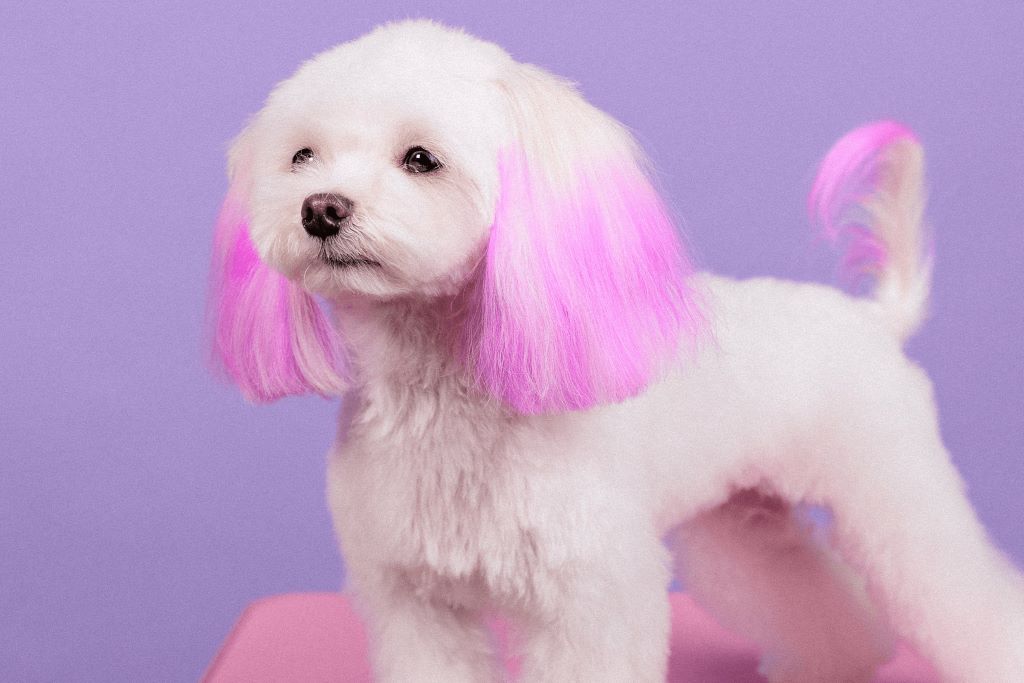
Picture this: you’re walking through the park when a stunning golden retriever with vibrant pink highlights trots by, turning heads and sparking conversations. That eye-catching transformation wasn’t magic—it was the creative use of dog hair colour dye. As pet grooming trends continue to evolve, more pet owners are discovering the artistic possibilities of safe, temporary hair coloring for their furry companions.
What is Dog Hair Colour Dye?
Dog hair colour dye is a specialized cosmetic product designed specifically for canine coat coloring. Unlike human hair dye, which contains harsh chemicals like ammonia and peroxide, pet-safe hair dye uses gentle, non-toxic ingredients that won’t harm your dog’s skin or overall health. These products come in various forms, including chalk, sprays, gels, and semi-permanent dyes, each offering different levels of vibrancy and longevity.
The primary difference between human and dog hair dye lies in the chemical composition. Pet hair dye typically uses food-grade coloring agents and natural ingredients that are safe if accidentally ingested during grooming. This makes them significantly safer for our four-legged friends who tend to lick their fur regularly.
Types of Dog Hair Coloring Products
Temporary Hair Chalk
Hair chalk represents the most beginner-friendly option for pet owners exploring coat coloring. These products wash out after one or two baths, making them perfect for special occasions or testing your dog’s tolerance to the coloring process. The chalk applies easily with a brush or applicator and works best on light-colored coats.
Semi-Permanent Dog Hair Dye
Semi-permanent options provide longer-lasting results, typically maintaining their vibrancy for two to four weeks. These products penetrate slightly deeper into the hair shaft while remaining completely safe for pets. They’re ideal for pet owners who want to maintain a colorful look without frequent reapplication.
Washable Hair Spray
Colored hair sprays offer the ultimate convenience, allowing for quick touch-ups and easy application. They’re particularly useful for highlighting specific areas or creating temporary accents for photoshoots or special events. Most washable sprays come out with a single shampooing session.
Natural Dye Alternatives
For environmentally conscious pet owners, natural alternatives like beet juice, turmeric, or berry-based dyes provide eco-friendly coloring options. While these tend to be less vibrant and shorter-lasting, they offer peace of mind for those concerned about chemical exposure.
Safety Considerations for Pet Hair Coloring
The safety of your beloved companion should always be your top priority when considering any grooming enhancement. Before applying any coloring product, conduct a patch test on a small, inconspicuous area of your dog’s coat. Wait 24 hours to ensure no adverse reactions occur, such as redness, itching, or irritation.
Never use human hair dye on dogs, as these products contain chemicals that can cause severe skin burns, allergic reactions, or toxicity if ingested. Always choose products specifically formulated for pets and manufactured by reputable companies with veterinary approval.
Consider your dog’s temperament before beginning the coloring process. Dogs with anxiety, aggressive tendencies, or extreme sensitivity to grooming procedures may not be suitable candidates for hair coloring. The process requires patience and should never be forced upon a reluctant pet.
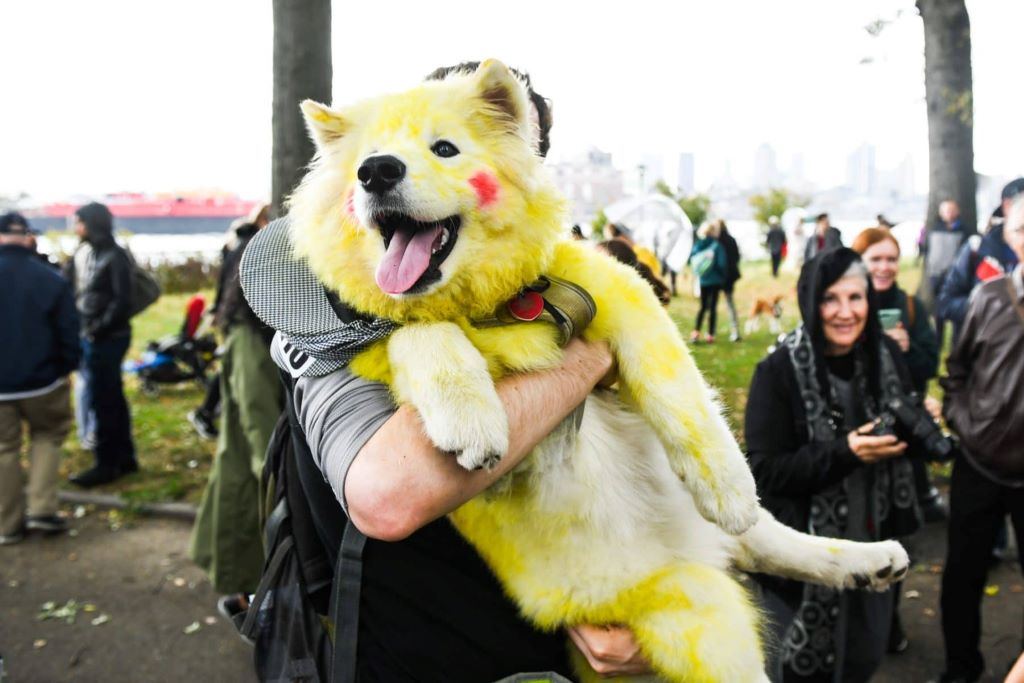
Step-by-Step Application Process
Preparation Phase
Begin by thoroughly brushing your dog’s coat to remove any tangles, mats, or loose fur. Clean the area you plan to color with a gentle pet shampoo and allow it to dry completely. Gather all necessary supplies, including the dye, gloves, brushes, and towels.
Application Technique
Work in small sections, applying the dye evenly from root to tip. Use a brush or applicator to ensure consistent coverage while avoiding the skin as much as possible. For best results, work the product through the hair with your fingers, wearing protective gloves throughout the process.
Processing and Rinsing
Follow the manufacturer’s instructions for processing time, typically ranging from 10 to 30 minutes depending on the desired intensity. Rinse thoroughly with lukewarm water until the water runs clear, then gently towel dry your pet.
Choosing the Right Colors and Techniques
Color selection depends largely on your dog’s natural coat color and the desired aesthetic outcome. Light-colored coats accept vibrant shades more readily, while dark coats may require bleaching products specifically designed for pets to achieve bright colors.
Popular color combinations include pastel pinks and blues for a soft, whimsical look, or bold purples and greens for a more dramatic transformation. Consider your dog’s personality when selecting colors—playful pups might suit bright, energetic hues, while more dignified breeds may look stunning in sophisticated jewel tones.
Professional groomers often recommend starting with subtle highlights or tips before attempting full-color transformations. This approach allows both you and your dog to adjust to the coloring process gradually.
Professional vs. DIY Approach
While at-home coloring can be rewarding and cost-effective, professional pet groomers bring expertise and specialized equipment to the process. Professional groomers understand canine behavior, possess experience with various coat types, and can achieve more complex color patterns safely.
DIY coloring works best for simple applications and pet owners with patient, well-behaved dogs. However, consider professional services for intricate designs, multiple colors, or if your dog shows stress during the grooming process.
Maintenance and Aftercare
Proper aftercare ensures your dog’s comfort and extends the life of the color treatment. Use gentle, color-safe shampoos specifically formulated for pets to prevent premature fading. Avoid over-bathing, as excessive washing can strip the color and dry out your dog’s skin.
Monitor your pet closely for any signs of irritation or discomfort in the days following the coloring session. If you notice excessive scratching, redness, or behavioral changes, consult your veterinarian immediately.
Regular brushing helps maintain the color’s vibrancy while preventing matting and tangling. Use a soft-bristled brush to avoid damaging the treated hair and disturbing the color molecules.
Cost Considerations and Budgeting
The cost of dog hair coloring varies significantly based on the chosen method and whether you opt for professional or DIY application. Temporary chalk products typically range from $10 to $25, while semi-permanent dyes cost between $20 and $50. Professional grooming services for color application can range from $75 to $200 depending on the complexity and location.
Factor in ongoing maintenance costs, including color-safe shampoos, touch-up products, and potential professional maintenance sessions. Building these expenses into your pet care budget ensures you can maintain your dog’s colorful look without financial strain.
Common Mistakes to Avoid
Many first-time users make the mistake of applying too much product at once, resulting in uneven color distribution and potential skin irritation. Always start with less product than you think you need, building up the intensity gradually.
Rushing the process represents another common error. Take your time during application, allowing your dog breaks if they become restless or stressed. Remember that a positive experience encourages cooperation for future grooming sessions.
Never ignore your dog’s signals of discomfort or distress during the coloring process. If your pet shows signs of anxiety, itching, or irritation, stop immediately and remove the product.
Conclusion
Dog hair colour dye opens up a world of creative possibilities for pet owners looking to express their artistic side while bonding with their furry companions. When approached with proper preparation, quality products, and safety as the primary concern, pet hair coloring can be a fun and rewarding experience for both you and your dog.
Remember that every dog is unique, and what works for one pet may not suit another. Start slowly, prioritize safety, and don’t hesitate to consult with professional groomers or veterinarians if you have concerns about the process.
Ready to transform your dog’s look with safe, vibrant colors? Start your pet’s colorful journey today by researching pet-safe hair dye products and scheduling a consultation with a certified pet groomer. Share your colorful creation on social media using #DogHairDye and inspire other pet parents to safely explore this exciting grooming trend!
Read More:
Conquering Canine Shedding: Expert Grooming Tips for Dogs with Heavy Coats