Dental care plays a vital role in your dog’s overall health and quality of life. According to veterinary studies, nearly 80% of dogs show signs of dental disease by age three. Additionally, poor oral hygiene can contribute to serious health complications affecting major organs. Choosing the best dog toothpaste and learning proper brushing techniques can significantly improve your pet’s oral health. This guide explains exactly how to brush your dog’s teeth safely and effectively in the USA.
Why Brushing Your Dog’s Teeth Matters
Regular tooth brushing removes plaque before it hardens into tartar. Consequently, it helps prevent gum disease, tooth loss, and bad breath.
Veterinarians across the USA recommend consistent dental care routines for dogs. Moreover, home brushing reduces the need for expensive professional dental procedures.
Healthy teeth also support better eating habits and improved overall wellness. Therefore, establishing proper brushing habits benefits your dog throughout life.
Understanding the Importance of the Best Dog Toothpaste
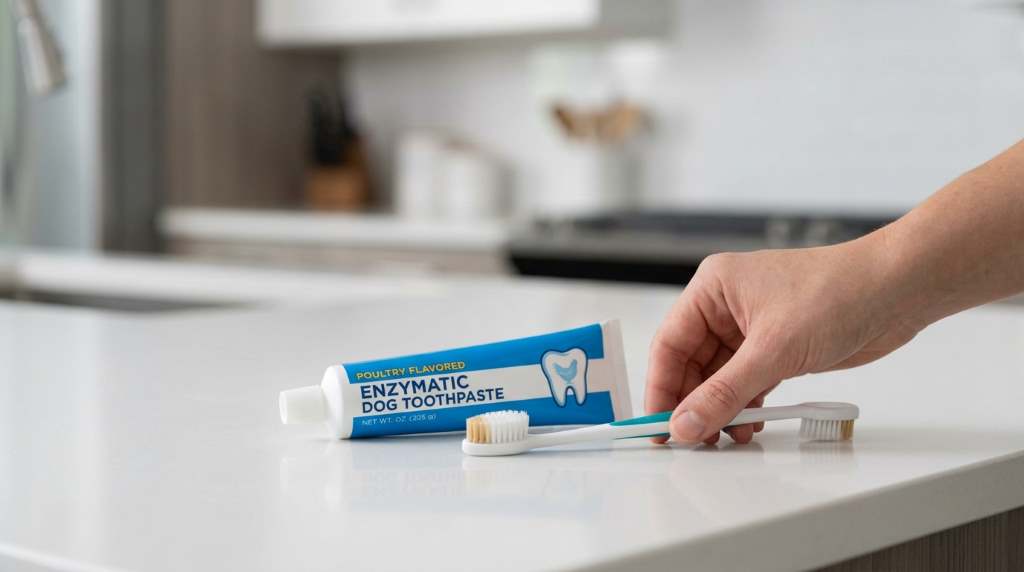
Dogs require specially formulated toothpaste designed specifically for their digestive systems. Human toothpaste contains ingredients that can harm pets.
The best dog toothpaste contains safe ingredients that help reduce plaque buildup. Additionally, many options include flavors that encourage dogs to accept brushing.
Quality dog toothpaste often contains enzymes that continue working after brushing ends. As a result, these formulas provide extended protection.
How to Choose the Best Dog Toothpaste
Look for Veterinary Approval
Always choose products recommended by veterinary professionals. Furthermore, veterinary-approved formulas undergo extensive safety testing.
Look for certifications from reputable animal health organizations. This approach helps ensure product quality and effectiveness.
Select Appealing Flavors
Flavor significantly affects your dog’s willingness to cooperate. Popular options include chicken, beef, peanut butter, and poultry flavors.
Testing different flavors may help identify your dog’s preference. Consequently, brushing sessions become easier and more enjoyable.
Check Active Ingredients
Enzymatic formulas often provide superior plaque control benefits. Additionally, natural ingredients can help freshen breath effectively.
Avoid products containing artificial sweeteners or harsh chemicals. Instead, prioritize safety and proven effectiveness.
Essential Tools for Dog Teeth Brushing
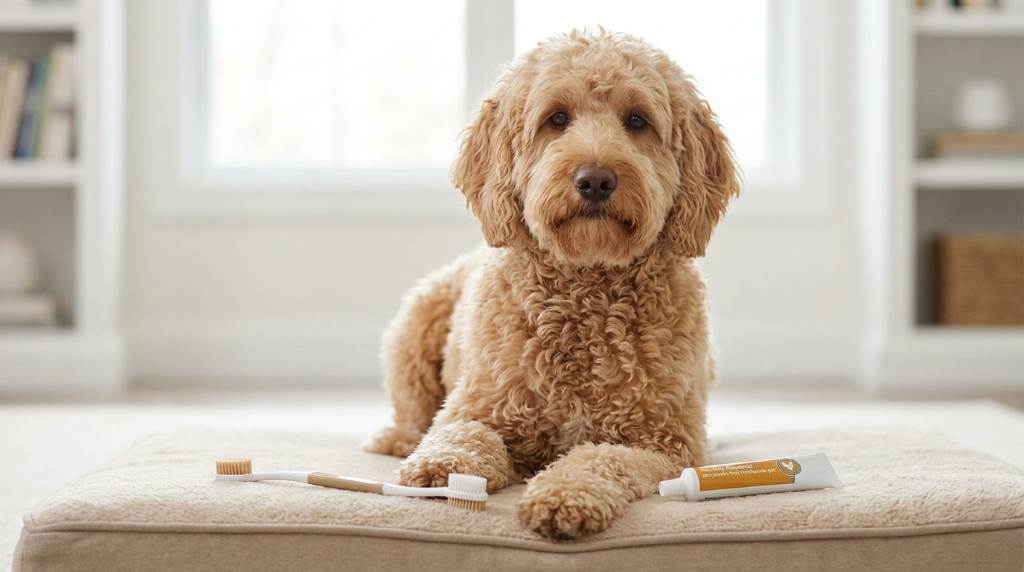
Successful dental care requires proper equipment and preparation. Fortunately, most supplies remain affordable and widely available.
- Dog-specific toothpaste
- Soft-bristled dog toothbrush
- Finger toothbrush option
- Dental wipes for beginners
- Treats for positive reinforcement
- Small towel for cleanup
Having all supplies ready before starting reduces stress. Therefore, preparation creates a smoother experience.
Preparing Your Dog for Teeth Brushing
Start Slowly
Begin introducing dental care gradually over several days. Initially, allow your dog to smell and taste the toothpaste.
Next, gently touch your dog’s mouth and gums. This process builds comfort and trust over time.
Create Positive Associations
Reward cooperation with praise and healthy treats. Consequently, your dog begins associating brushing with positive experiences.
Maintain calm energy during each session. Additionally, keep early sessions very short.
Step-by-Step Guide: How to Brush Using the Best Dog Toothpaste
Step 1: Choose the Right Time
Select a quiet time when your dog feels relaxed. After exercise often works particularly well.
Avoid brushing when your dog feels excited or anxious. This timing improves cooperation significantly.
Step 2: Apply the Toothpaste
Place a small amount of dog toothpaste onto the brush. Usually, a pea-sized amount provides sufficient coverage.
Allow your dog to lick a small sample first. Therefore, the flavor becomes familiar and less intimidating.
Step 3: Lift the Lips Gently
Carefully lift your dog’s lips without forcing the mouth open. Focus primarily on the outer surfaces of the teeth.
Dogs naturally spread toothpaste throughout their mouths. Consequently, brushing inner surfaces becomes less important initially.
Step 4: Use Gentle Circular Motions
Brush using small circular motions along the gum line. Spend extra attention on the back teeth.
Continue brushing for approximately thirty seconds per side. Eventually, increase the duration gradually.
Step 5: Reward Your Dog
Offer praise and a reward immediately after brushing. Positive reinforcement encourages future cooperation.
End each session on a successful note. Therefore, your dog maintains positive associations.
Common Mistakes to Avoid
Many pet owners unintentionally create negative brushing experiences. However, avoiding common mistakes improves long-term success.
- Using human toothpaste
- Brushing too aggressively
- Skipping regular sessions
- Forcing an unwilling dog
- Ignoring signs of dental disease
- Expecting immediate cooperation
Patience remains essential during training periods. Consequently, consistent practice produces better outcomes.
How Often Should You Brush Your Dog’s Teeth?
Daily brushing provides the best protection against dental disease. However, brushing at least three times weekly offers significant benefits.
Consistency matters more than occasional intensive cleaning sessions. Therefore, establish a realistic routine you can maintain.
Even short brushing sessions help reduce plaque accumulation. Additionally, regular observation allows early detection of problems.
Signs Your Dog Needs Professional Dental Care
Home brushing supports dental health but cannot solve every problem. Certain symptoms require veterinary evaluation.
- Persistent bad breath
- Bleeding gums
- Loose teeth
- Difficulty eating
- Excessive drooling
- Visible tartar buildup
Schedule veterinary appointments promptly when these signs appear. Early treatment often prevents more serious complications.
Additional Tips for Maintaining Canine Oral Health
Dental chews can supplement regular brushing routines effectively. However, they should never replace brushing entirely.
Professional dental cleanings remain important for comprehensive care. Additionally, regular veterinary examinations support early detection.
Providing appropriate chew toys may help reduce plaque accumulation. Therefore, combining multiple strategies produces optimal results.
Creating a Long-Term Brushing Routine
Establishing consistent habits takes time and patience. Most dogs gradually accept regular brushing with proper training.
Choose a specific time each day for dental care. Consequently, the routine becomes predictable and easier to maintain.
Track progress and celebrate improvements over time. Small successes contribute to lasting behavioral changes.
Conclusion
Learning how to brush using the best dog toothpaste represents one of the most valuable investments in your pet’s health. Consistent brushing reduces dental disease risks while improving your dog’s comfort and quality of life.
Start slowly, remain patient, and use positive reinforcement consistently. Begin your dog’s dental care routine today and help protect their oral health for years to come.
Frequently Asked Questions
Can I use human toothpaste on my dog?
No, human toothpaste contains ingredients that may be harmful to dogs.
How long should I brush my dog’s teeth?
Aim for approximately two minutes total once your dog becomes comfortable.
What flavor of dog toothpaste works best?
Chicken and peanut butter flavors often appeal to most dogs.
Can puppies use dog toothpaste?
Yes, puppies can safely use dog-specific toothpaste products.
What if my dog refuses tooth brushing?
Introduce brushing gradually and use rewards to build positive associations.