As pet owners, we all want our furry friends to live happy, healthy lives. One of the most important yet often overlooked aspects of their well-being is the quality of their sleep. Just like humans, dogs need proper support to rest comfortably, especially as they age or if they suffer from joint issues. According to the American Kennel Club, over 20% of dogs develop arthritis as they age, making a supportive bed essential for their comfort and mobility.
I remember when my old Labrador, Max, started struggling to get up in the mornings. His joints were stiff, and he seemed restless at night. That’s when I realized his old, flat bed wasn’t providing the support he needed. Investing in a high-quality bed transformed his sleep and overall quality of life. This experience opened my eyes to the importance of choosing the right bed for our pets.
Why Orthopedic Dog Beds Are Essential
Orthopedic dog beds are designed to provide superior support and comfort, particularly for dogs with joint pain, arthritis, or other mobility issues. Unlike regular beds, they feature high-density foam or memory foam that conforms to your dog’s body, reducing pressure on their joints and muscles. This can alleviate pain and improve their ability to rest deeply.
According to a study published in the Journal of Veterinary Behavior, dogs that sleep on supportive surfaces show improved mobility and reduced signs of discomfort. For pet owners looking to invest in their dog’s health, an orthopedic dog bed is a game-changer. These beds are not just for senior dogs; they also benefit larger breeds, working dogs, or any dog that spends a lot of time lying on hard surfaces.
Additionally, orthopedic beds can help prevent the development of pressure sores and calluses, which are common in dogs that lie on poorly cushioned surfaces. By distributing your dog’s weight evenly, these beds ensure that no single area bears too much pressure, promoting better circulation and overall comfort.
Key Features to Look for in an Orthopedic Dog Bed
When shopping for an orthopedic dog bed, there are several key features to consider to ensure you’re making the best choice for your pet. First and foremost, the material of the bed is crucial. High-density memory foam is the gold standard, as it provides the best support and durability. However, some beds also use gel-infused foam, which can help regulate temperature and keep your dog cool.
The thickness of the foam is another important factor. Beds with at least 3 to 4 inches of foam offer better support, especially for larger or heavier dogs. Thinner beds may not provide enough cushioning to relieve joint pressure effectively. Additionally, look for beds with a non-slip bottom to prevent sliding on smooth floors, which can be particularly important for older dogs or those with mobility issues.
The cover of the bed should also be considered. Removable, machine-washable covers make cleaning a breeze, which is essential for maintaining hygiene, especially if your dog spends time outdoors. Waterproof or water-resistant covers are also a plus, as they protect the foam from accidents or spills. Lastly, consider the size and shape of the bed. Your dog should have enough room to stretch out comfortably, and the shape should suit their sleeping style.
How to Choose the Right Size and Shape
Selecting the right size and shape for your dog’s orthopedic bed is vital for their comfort. A bed that is too small can cause your dog to hang off the edges, defeating the purpose of the orthopedic support. To determine the right size, measure your dog from the tip of their nose to the base of their tail while they are lying down. Add a few inches to this measurement to ensure they have enough space to move around comfortably.
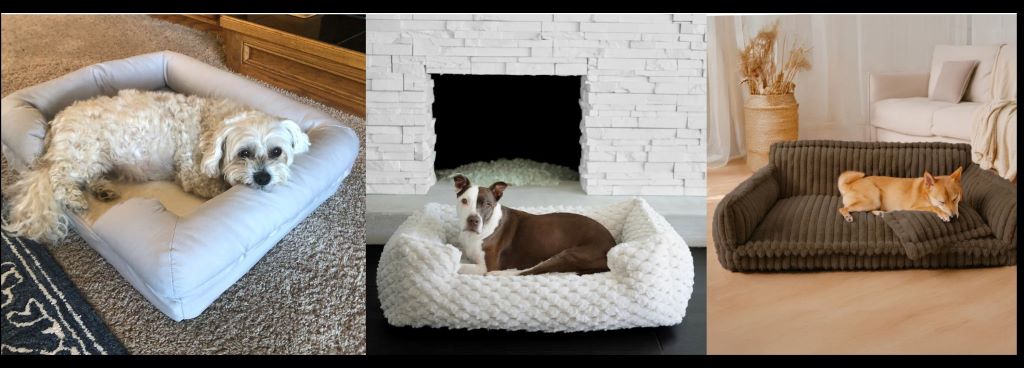
The shape of the bed also plays a role in your dog’s comfort. Rectangular beds are the most common and provide ample space for dogs that like to stretch out. Round or oval beds, on the other hand, are great for dogs that curl up when they sleep. Some orthopedic beds also come with raised edges or bolsters, which can provide additional support for your dog’s head or neck.
For dogs with specific needs, such as those recovering from surgery or with severe arthritis, consider a bed with a contoured design. These beds often feature a slightly raised center or specific areas for joint support, which can provide targeted relief. Additionally, if your dog tends to overheat, look for a bed with a cooling gel layer or breathable fabric to keep them comfortable.
Benefits of Orthopedic Beds for Different Dog Breeds
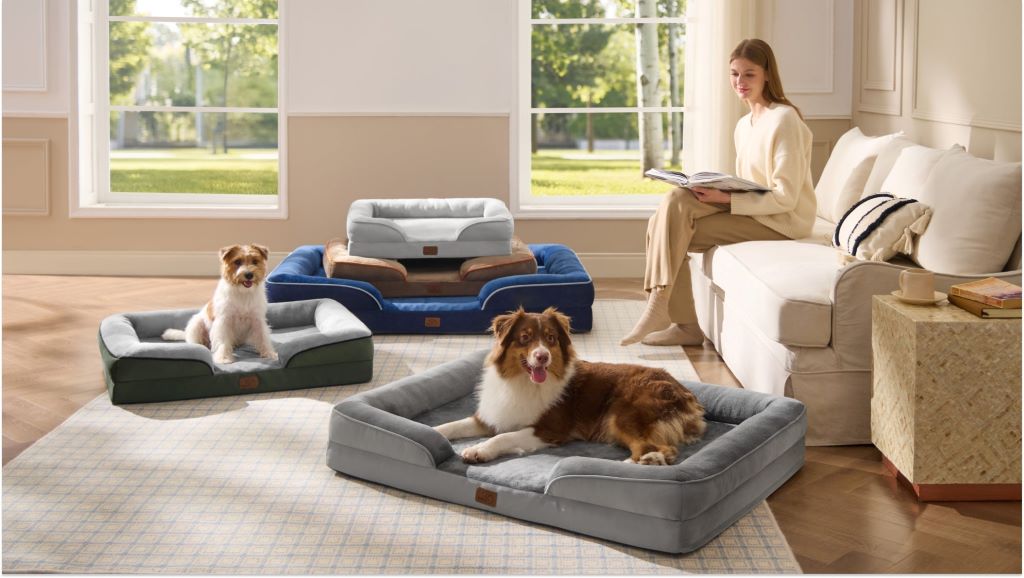
Orthopedic beds are not one-size-fits-all; different breeds have different needs. Large breeds, such as Great Danes, German Shepherds, and Labrador Retrievers, are prone to joint issues due to their size and weight. An orthopedic bed can help distribute their weight evenly, reducing the strain on their joints and preventing long-term damage.
Small breeds, like Chihuahuas or Dachshunds, can also benefit from orthopedic support. Despite their size, these dogs can suffer from joint problems, especially as they age. A well-cushioned bed can provide the support they need to rest comfortably and maintain their mobility. Additionally, orthopedic beds can be particularly beneficial for working dogs, such as service animals or herding breeds, which spend a lot of time on their feet.
Senior dogs, regardless of breed, are perhaps the most in need of orthopedic support. As dogs age, their joints naturally wear down, leading to conditions like arthritis or hip dysplasia. An orthopedic bed can significantly improve their quality of life by reducing pain and stiffness, allowing them to rest more comfortably. Even young, healthy dogs can benefit from the extra support, as it helps prevent future joint issues.
Common Mistakes to Avoid When Buying an Orthopedic Dog Bed
While orthopedic dog beds offer numerous benefits, there are some common mistakes pet owners make when purchasing one. One of the biggest mistakes is choosing a bed based solely on price. While it’s understandable to want to save money, cheaper beds often use lower-quality foam that flattens quickly, providing little to no support. Investing in a high-quality bed may cost more upfront but will save you money in the long run by lasting longer and providing better support.
Another mistake is not considering your dog’s specific needs. For example, if your dog tends to overheat, a bed with a cooling gel layer would be more suitable than a standard memory foam bed. Similarly, if your dog is a heavy chewer, look for a bed with a durable, chew-resistant cover. Failing to match the bed to your dog’s needs can result in discomfort or even damage to the bed.
Additionally, some pet owners overlook the importance of the bed’s cover. A non-removable or non-washable cover can be a hassle to clean, especially if your dog is prone to accidents or spends time outdoors. Always opt for a bed with a removable, machine-washable cover to make maintenance easier. Lastly, avoid beds that are too soft or too firm. The ideal orthopedic bed should provide a balance of support and comfort, conforming to your dog’s body without sinking too much.
How to Introduce Your Dog to Their New Orthopedic Bed
Introducing your dog to a new bed can sometimes be a challenge, especially if they are used to their old sleeping spot. Start by placing the new bed in a familiar location, such as their usual sleeping area or a quiet corner of the house. Allow your dog to sniff and explore the bed at their own pace. You can also place their favorite blanket or toy on the bed to make it more inviting.
Positive reinforcement can also help encourage your dog to use the new bed. Praise and reward them with treats when they lie down on it. This creates a positive association with the bed and makes them more likely to use it. Additionally, spend some time sitting or lying next to the bed to show your dog that it’s a safe and comfortable space.
If your dog is hesitant, try placing the new bed next to their old one for a few days. This allows them to transition gradually. Over time, you can move the old bed further away until your dog is comfortable using the new one exclusively. Patience is key—some dogs may take a few days or even weeks to adjust to their new bed.
Personal Experience: The Difference an Orthopedic Bed Made
When my dog, Max, started showing signs of arthritis, I knew I had to do something to improve his comfort. His old bed was flat and offered no support, and he often woke up stiff and sore. After some research, I decided to invest in an orthopedic bed with high-density memory foam. The difference was immediate and remarkable.
Max took to the bed right away, and within a few days, I noticed he was sleeping more soundly and getting up more easily in the mornings. His stiffness seemed to improve, and he was more active during the day. Seeing the positive impact the bed had on his quality of life was incredibly rewarding. It also gave me peace of mind knowing that I was doing everything I could to support his health and happiness.
FAQs
What is an orthopedic dog bed?
An orthopedic dog bed is a specialized bed designed to provide superior support and comfort for dogs, particularly those with joint pain, arthritis, or mobility issues. It typically features high-density foam that conforms to your dog’s body, reducing pressure on their joints.
How do I know if my dog needs an orthopedic bed?
If your dog shows signs of joint pain, stiffness, or difficulty getting up, they may benefit from an orthopedic bed. Additionally, larger breeds, senior dogs, or working dogs can also benefit from the extra support these beds provide.
What size orthopedic bed should I get for my dog?
Measure your dog from the tip of their nose to the base of their tail while they are lying down. Add a few inches to this measurement to ensure they have enough space to move around comfortably. The bed should be large enough for your dog to stretch out fully.
How do I clean an orthopedic dog bed?
Most orthopedic dog beds come with removable, machine-washable covers. Simply remove the cover and wash it according to the manufacturer’s instructions. For the foam base, spot clean with a damp cloth and mild soap, and allow it to air dry completely before reassembling the bed.
Are orthopedic dog beds worth the investment?
Yes, orthopedic dog beds are a worthwhile investment, especially for dogs with joint issues or older age. They provide the support and comfort needed to improve your dog’s quality of life, reduce pain, and prevent future joint problems. The long-term benefits far outweigh the initial cost.
Conclusion
Choosing the right orthopedic dog bed is one of the best investments you can make for your pet’s health and comfort. These beds provide the support and cushioning that dogs—especially those with joint issues or older age—need to rest comfortably and maintain their mobility. By considering factors like material, size, shape, and your dog’s specific needs, you can find a bed that will significantly improve their quality of life.
Remember, a good night’s sleep is just as important for your dog as it is for you. Investing in a high-quality orthopedic bed is a small price to pay for the happiness and well-being of your furry friend. So, take the time to research and choose the best bed for your dog’s needs.
Have you tried an orthopedic bed for your dog? Share your experiences or tips in the comments below! And if you found this article helpful, don’t forget to share it with other pet owners.