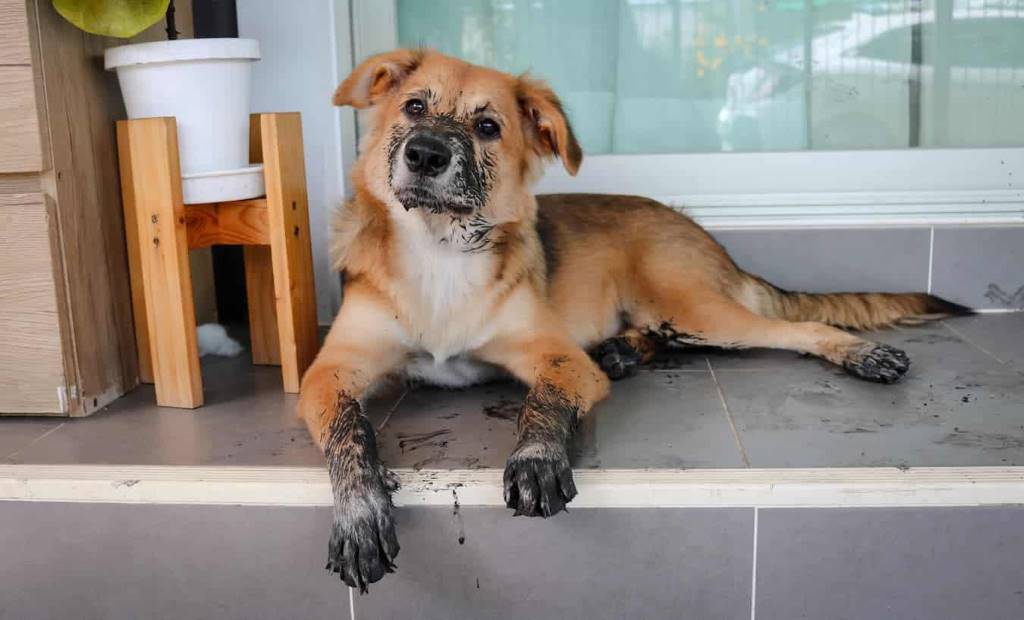
A muddy paw print across your clean floor can feel like a daily battle if you own a dog. Outdoor fun often brings dirt, bacteria, and allergens back home. According to the American Veterinary Medical Association, regular paw cleaning reduces the risk of infections and skin irritation in dogs. In addition, studies from the Centers for Disease Control and Prevention highlight that pets can carry outdoor contaminants indoors, affecting household hygiene. Choosing the right dog paw cleaner is not just about convenience. It supports your dog’s health and keeps your home clean. This guide will help you make a smart, practical choice.
Why You Need a Dog Paw Cleaner
Dogs love exploring. However, dirt, mud, and harmful microbes stick to their paws easily. As a result, your home becomes exposed to these elements.
Key Benefits
- Keeps floors, carpets, and furniture clean
- Prevents bacterial and fungal infections
- Reduces allergens inside your home
- Saves time compared to manual washing
Moreover, a proper paw cleaner offers a quick solution after walks, especially during rainy seasons.
Types of Dog Paw Cleaners
Different designs serve different needs. Therefore, understanding each type helps you pick the right one.
1. Cup Style Paw Cleaners
These are the most popular options. They use soft bristles inside a container.
- Add water
- Insert your dog’s paw
- Twist gently
This method removes dirt effectively while staying gentle.
2. Automatic Paw Cleaners
Battery powered options clean paws with minimal effort.
- Ideal for busy pet owners
- Offers deeper cleaning
- Suitable for large dogs
However, they may require maintenance and charging.
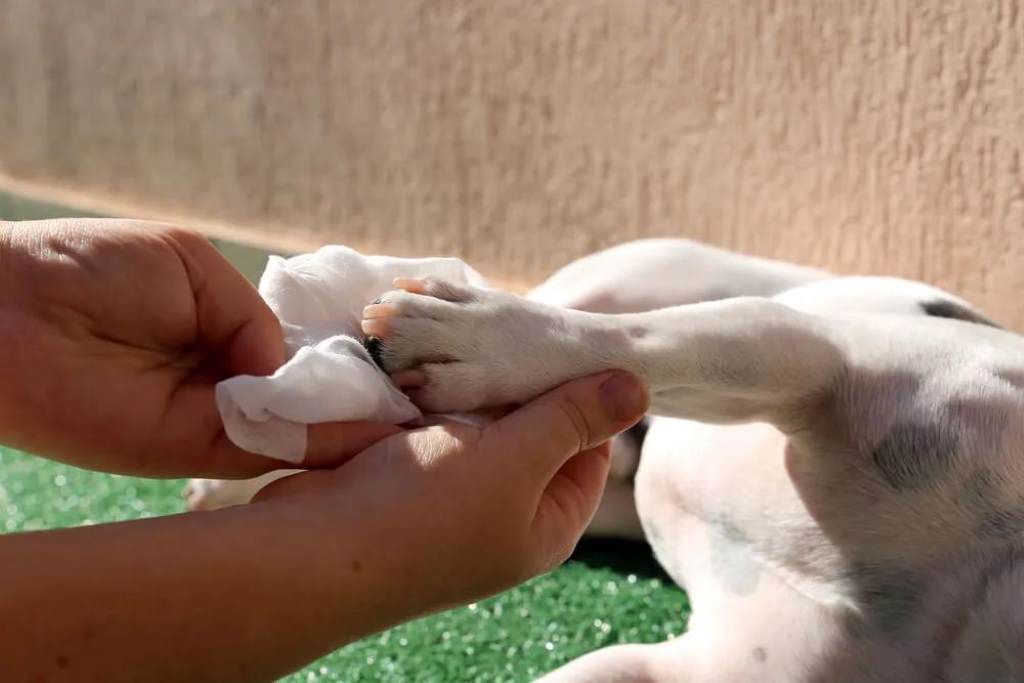
3. Portable Wipes and Foams
These are simple and travel friendly.
- Best for quick cleaning
- No water required
- Useful during trips
Still, they may not remove heavy mud.
Key Features to Consider Before Buying
Size and Fit
Choose a cleaner that matches your dog’s paw size. A tight fit can cause discomfort, while a loose one reduces cleaning efficiency.
Material Quality
Look for soft, non toxic bristles. Silicone is a great option because it is gentle and durable.
Ease of Use
A good cleaner should work quickly without stress. Dogs often dislike long cleaning routines.
Portability
If you travel often, choose a lightweight and compact design.
Cleaning and Maintenance
You should be able to rinse and dry the cleaner easily. Hygiene matters just as much as performance.
How to Use a Dog Paw Cleaner Properly
Step by Step Guide
- Fill the cleaner with clean water
- Place your dog’s paw inside
- Rotate gently to remove dirt
- Dry the paw with a towel
Consistency is key. Regular cleaning builds a routine your dog will accept.
Common Mistakes to Avoid
- Using very hot or cold water
- Forcing your dog’s paw into the cleaner
- Skipping drying after cleaning
- Ignoring signs of irritation
These mistakes can make the experience uncomfortable and reduce effectiveness.
Best Situations to Use a Paw Cleaner
You do not need to use a paw cleaner all the time. However, certain situations demand it.
- After walks in muddy areas
- During rainy seasons
- After park visits
- When your dog steps in unknown substances
How to Train Your Dog to Accept Paw Cleaning
Some dogs resist paw handling. Therefore, training helps make the process smooth.
Practical Tips
- Start slowly with one paw
- Use treats as rewards
- Keep sessions short
- Stay calm and patient
Gradually, your dog will associate cleaning with positive experiences.
Hygiene and Health Benefits
Clean paws do more than protect your floors. They protect your dog’s health too.
Health Advantages
- Prevents infections from bacteria
- Reduces exposure to harmful chemicals
- Helps detect cuts or injuries early
Veterinarians often recommend regular paw checks as part of basic pet care.
Comparing Manual Cleaning vs Paw Cleaners
Manual Cleaning
- Requires more time
- Less consistent results
- Can be messy
Paw Cleaners
- Faster and more efficient
- Better dirt removal
- More convenient
Therefore, investing in a proper cleaner improves both hygiene and ease.
Environmental Considerations
Eco conscious pet owners can also make better choices.
- Choose reusable cleaners
- Avoid excessive disposable wipes
- Use minimal water when possible
Small decisions contribute to sustainability over time.
Real Life Example
Consider a dog owner living in a rainy region. Daily walks result in muddy paws. Initially, they used towels only, which took time and left residue. After switching to a cup style cleaner, cleaning time reduced by half. Additionally, their dog experienced fewer skin issues. This simple change improved both hygiene and convenience.
Expert Tips for Choosing the Best Option
- Match the cleaner to your dog’s size and behavior
- Test ease of use before regular adoption
- Prioritize comfort over complex features
- Maintain regular cleaning habits
Consistency matters more than the type of cleaner.
Conclusion
Choosing the best dog paw cleaner is about balancing comfort, efficiency, and practicality. A well chosen cleaner keeps your home clean and supports your dog’s health. Focus on size, material, and ease of use when making your decision. Start building a simple cleaning routine today and enjoy a cleaner, healthier environment for both you and your pet.
FAQs
What is the best way to clean muddy dog paws?
Use a paw cleaner with water and soft bristles. It removes dirt quickly and safely.
How often should I clean my dog’s paws?
Clean them after walks in dirty or muddy areas. Daily cleaning may not always be necessary.
Can paw cleaners harm dogs?
No, if you choose soft materials and use them gently. Always monitor your dog’s comfort.
Are wipes enough for paw cleaning?
Wipes work for light dirt. For mud and heavy debris, a paw cleaner is more effective.
How do I keep my dog calm during cleaning?
Use treats, stay calm, and keep sessions short. Positive reinforcement works best.