
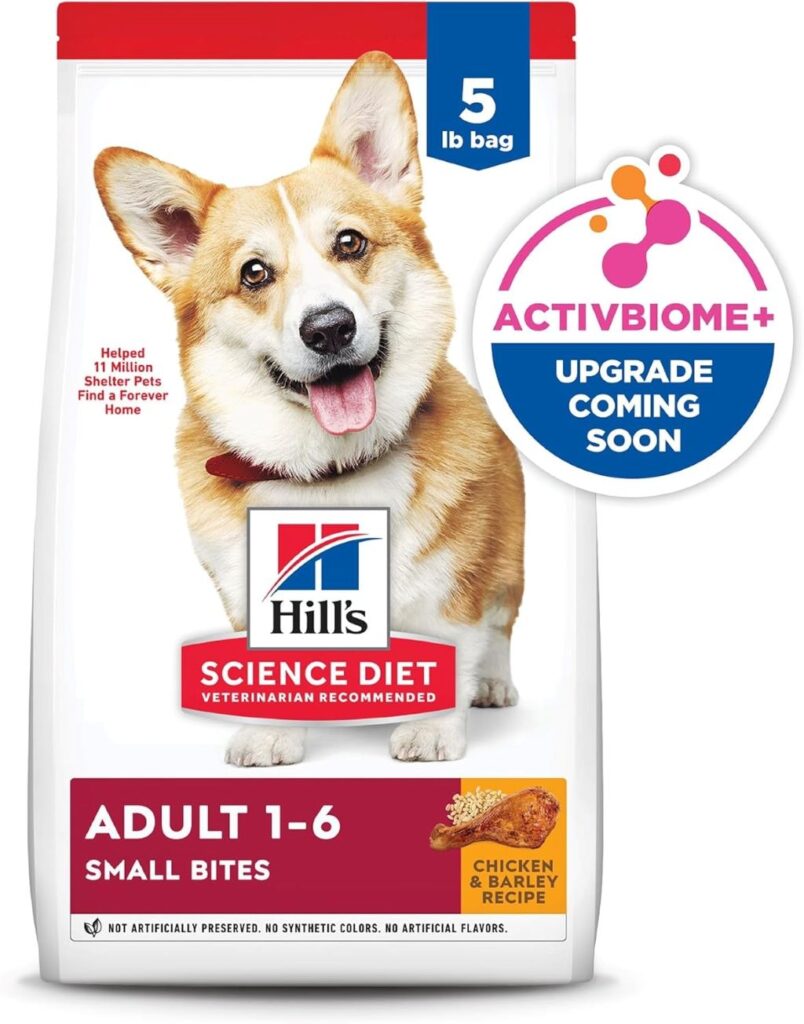
Every dog owner faces the same overwhelming question at the pet store: which food will truly nourish my companion? With over 70 million dogs in American households according to the American Pet Products Association, the decision carries significant weight. Hill’s Science Diet Adult 1-6 Small Kibble with Chicken & Barley promises balanced nutrition, but does it deliver on these claims?
Read more: Hill’s Science Diet Adult 1-6 Dog Food Review: Small Kibble, Chicken & BarleyUnderstanding the Brand Legacy
Hill’s Pet Nutrition has maintained its position in the premium pet food market for over 75 years. The company originated from veterinary science, specifically addressing kidney disease in dogs. This medical foundation sets Hill’s apart from competitors who entered the market through commercial food production. The Science Diet line specifically targets everyday nutrition rather than prescription needs. Veterinarians frequently recommend this brand, though opinions vary on whether this endorsement stems from nutritional superiority or corporate partnerships.

Breaking Down the Ingredient Profile
The primary ingredient in this formula is chicken, which provides essential protein for muscle maintenance. Barley appears as the second ingredient, offering digestible carbohydrates and fiber. Additionally, the recipe includes brewers rice, which some nutritionists consider a filler ingredient. However, rice does provide energy and is easily digestible for most dogs. The formula contains chicken meal, a concentrated protein source that actually delivers more protein per weight than fresh chicken. Cracked pearled barley adds additional fiber content to support digestive health.
Nutritional Analysis and Guaranteed Content
This formula guarantees 21% crude protein, which meets but doesn’t exceed AAFCO standards for adult maintenance. The crude fat content sits at 13%, providing sufficient energy for moderately active dogs. Crude fiber reaches 2% maximum, supporting healthy digestion without causing excessive stool volume. These numbers appear adequate for average adult dogs, though highly active breeds might require higher protein percentages. The caloric content measures approximately 353 kilocalories per cup, making portion control essential for weight management.
The Small Kibble Advantage
Small breed dogs and those with dental challenges benefit significantly from appropriately sized kibble. This formula features bite-sized pieces measuring roughly 0.5 inches in diameter. Smaller kibble encourages proper chewing rather than gulping, which can reduce digestive upset. Furthermore, many senior dogs or those with missing teeth find standard kibble difficult to manage. The texture maintains enough firmness to provide some dental cleaning action through mechanical abrasion. However, dedicated dental chews still play an important role in complete oral care.
Featured Snippet: What Makes Hill’s Science Diet Adult 1-6 Stand Out?
Hill’s Science Diet Adult 1-6 Small Kibble with Chicken & Barley offers veterinarian-formulated nutrition backed by decades of research. The formula contains natural ingredients with added vitamins and minerals for complete nutrition. The small kibble size accommodates dogs with various jaw sizes and dental conditions. Real chicken serves as the primary protein source, supporting lean muscle maintenance. The recipe excludes artificial colors, flavors, and preservatives. Barley and rice provide easily digestible carbohydrates for sustained energy. The formula meets AAFCO nutrient profiles for adult dog maintenance. However, some pet nutritionists argue the ingredient list could feature more whole food sources and fewer grain fillers for optimal health.
Pros of Hill’s Science Diet Adult Formula
The brand’s veterinary backing provides reassurance to concerned pet owners seeking professional guidance. Consistent quality control means each bag delivers predictable nutrition without formula changes. The small kibble size genuinely accommodates various dog breeds and ages effectively. Most dogs find the chicken and barley flavor highly palatable, reducing mealtime struggles. The formula supports healthy skin and coat through balanced omega fatty acids. Additionally, the widespread availability makes purchasing convenient at most pet retailers. The ingredient sourcing follows strict quality standards with regular testing protocols.
Cons Worth Considering
The price point sits significantly higher than comparable grocery store brands. Some nutritionists question the inclusion of by-products and grain fillers as primary ingredients. Dogs with specific grain sensitivities may experience digestive issues with this barley-containing formula. The protein percentage, while adequate, doesn’t reach the levels preferred by some canine nutrition experts. Packaging doesn’t include resealable features, potentially affecting freshness in larger bags. Moreover, some dogs reportedly experienced increased thirst and urination on this formula. The reliance on chicken meal rather than fresh meat disappoints owners seeking whole food ingredients.
Real-World Use and Owner Experiences
Long-term users frequently report improved coat shine and reduced shedding within three weeks. Dogs transitioning from grocery store brands often show increased energy levels initially. However, some owners notice their dogs require frequent meals to maintain satisfaction. Weight management becomes easier due to the predictable caloric content and measuring guidelines. Picky eaters generally accept this formula without the gradual mixing typically required. Conversely, a minority of dogs develop loose stools during the transition period. Veterinary professionals note fewer digestive complaints from clients using Science Diet compared to economy brands.
Comparing Value Against Competitors
Purina Pro Plan offers similar nutritional profiles at slightly lower price points. Royal Canin provides comparable veterinary backing with breed-specific formulations. Blue Buffalo emphasizes natural ingredients but costs more per pound. Taste of the Wild features grain-free options with higher protein percentages. Therefore, Hill’s occupies a middle ground between economy and ultra-premium categories. The question becomes whether the veterinary research justifies the premium over mid-tier brands. For dogs without specific health concerns, less expensive alternatives might provide equivalent nutrition.


Who Should Choose This Formula
Dogs aged one to six years with normal activity levels represent the ideal candidates. Small and medium breeds benefit most from the kibble size and nutrient density. Owners prioritizing veterinary-backed nutrition over trendy ingredient lists will appreciate this formula. Dogs with sensitive stomachs often tolerate this easily digestible recipe well. Additionally, households seeking readily available food at major retailers find this choice convenient. First-time dog owners gain confidence from the brand’s established reputation and research foundation.
Who Should Look Elsewhere
Highly active or working dogs need formulas with elevated protein and fat content. Dogs diagnosed with grain allergies or sensitivities require grain-free alternatives. Pet owners committed to whole food, human-grade ingredients should explore boutique brands. Budget-conscious households might struggle with the premium pricing long-term. Furthermore, dogs requiring breed-specific nutrition may benefit from specialized formulas. Large breed puppies need different calcium-phosphorus ratios than this formula provides.
Frequently Asked Questions
How quickly will I see results after switching to Hill’s Science Diet?
Most dogs show coat improvements within three to four weeks of consistent feeding. Digestive benefits typically appear within the first week as the system adjusts. Energy level changes may take up to two months to become noticeable.
Can puppies eat this adult formula?
This formula lacks the elevated calcium and protein percentages puppies require for proper development. Hill’s produces separate puppy formulations designed for growth phases. Feeding adult food to puppies risks developmental issues and nutritional deficiencies.
Does Hill’s Science Diet contain artificial preservatives?
The formula uses natural preservatives like mixed tocopherols rather than artificial alternatives. However, it does contain some synthetic vitamins and minerals for nutritional completeness. The brand maintains strict quality control throughout the manufacturing process.
Why do veterinarians frequently recommend Hill’s products?
Veterinary schools receive research funding from Hill’s, creating familiarity with the brand. The company conducts extensive feeding trials exceeding AAFCO requirements. Additionally, consistent quality control reduces variability that might complicate health issue diagnoses.
How should I transition my dog to this food?
Gradually mix increasing amounts with current food over seven to ten days. Start with 25% Science Diet and 75% old food for days one through three. Progress to 50-50 by day five, then 75% Science Diet by day seven.
Final Thought
Hill’s Science Diet Adult 1-6 Small Kibble with Chicken & Barley delivers solid, research-backed nutrition without revolutionary ingredients. The formula serves dogs well when owners prioritize consistency and veterinary endorsement over trendy components. While not perfect for every situation, it provides dependable nutrition for average adult dogs. The investment may prove worthwhile for pet parents seeking peace of mind through established science. Read More: A Balanced Raw Dog Food: Essential Ingredients and Considerations
Ready to make an informed decision about your dog’s nutrition? Consult your veterinarian about whether Hill’s Science Diet fits your specific dog’s needs. Compare the ingredient list against your dog’s current food to identify potential improvements. Remember, the best dog food is the one your individual dog thrives on consistently.