Terriers are known for their energy, intelligence, and strong-willed personalities. Whether you have a feisty Jack Russell, a spirited Scottish Terrier, or a playful Westie, a good harness is essential for safe and comfortable walks. Unlike collars, harnesses distribute pressure evenly across your dog’s chest, reducing the risk of neck injuries and giving you better control.
Choosing the right harness can be a game-changer, especially for terriers who love to pull or explore. A well-fitted harness prevents escapes, minimizes strain, and makes walks more enjoyable for both of you.
If you’re on the hunt for the best terrier dog harness, you’re in the right place. This guide will help you understand what to look for, how to fit a harness properly, and which styles work best for different terrier breeds.
Why Use a Harness Instead of a Collar?
Collars can put dangerous pressure on a dog’s trachea, especially if they pull or lunge. This is particularly risky for small breeds like terriers, who are prone to collapsed tracheas. A harness spreads the pressure across the chest and shoulders, reducing strain on the neck and giving you more control.
For terriers, who are often strong for their size and love to chase, a harness is a safer and more effective choice. It also helps prevent escapes, which is crucial for breeds known for their Houdini-like abilities to slip out of collars.
I learned this the hard way with my Jack Russell, Max. During a walk, he spotted a squirrel and lunged so hard that his collar nearly choked him. After switching to a harness, our walks became safer and more relaxed. The difference was night and day.
Key Features to Look for in a Terrier Harness
1. Adjustable Fit
Terriers come in all shapes and sizes, so adjustability is key. Look for harnesses with multiple adjustment points—around the neck, chest, and girth—to ensure a snug, secure fit. A properly fitted harness should be tight enough to prevent slipping but loose enough to allow free movement.
2. Durability
Terriers are tough on their gear. Choose a harness made from strong, high-quality materials like nylon or reinforced polyester. Double-stitched seams and sturdy buckles are also important for longevity.
3. Comfort
A comfortable harness will have padded straps or breathable mesh to prevent chafing. Avoid harnesses with rough edges or thin straps that can dig into your dog’s skin.
4. Ease of Use
Look for a harness that’s easy to put on and take off. Step-in designs are popular for small dogs, while overhead styles may work better for larger terriers. Quick-release buckles are a bonus for convenience.
5. Reflective or Bright Colors
If you walk your terrier in low-light conditions, choose a harness with reflective strips or bright colors to keep them visible and safe.
6. No-Pull Design
Many terriers have a strong prey drive and love to pull. A no-pull harness, like those with a front clip or martingale-style design, can help discourage pulling and give you better control.
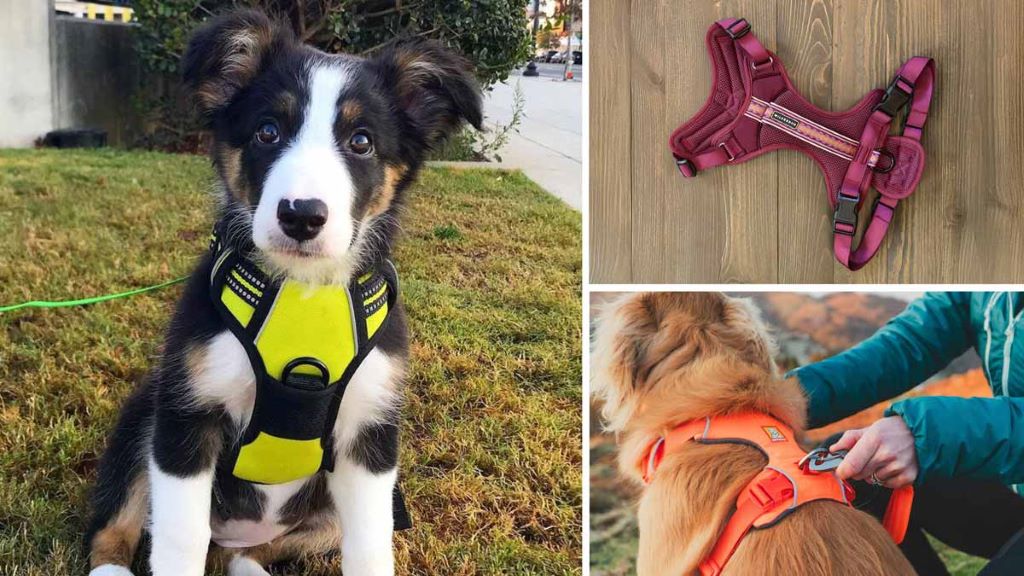
Types of Harnesses for Terriers
Step-In Harnesses
Step-in harnesses are easy to use and ideal for small to medium-sized terriers. You simply lay the harness on the ground, have your dog step into it, and clip it closed. These are great for dogs who dislike things going over their heads.
Overhead Harnesses
Overhead harnesses slip over your dog’s head and fasten around the chest. They’re often more secure and harder for dogs to wiggle out of, making them a good choice for escape artists.
Front-Clip Harnesses
Front-clip harnesses have a D-ring on the chest, which helps redirect your dog’s momentum if they pull. This design is excellent for training and reducing pulling behavior.
Dual-Clip Harnesses
Dual-clip harnesses feature both a front and back attachment point. This gives you flexibility—use the front clip for training and the back clip for casual walks.
Vest-Style Harnesses
Vest-style harnesses provide more coverage and are often padded for extra comfort. They’re ideal for long walks or hikes, as they distribute pressure evenly and reduce chafing.
How to Measure Your Terrier for a Harness
A well-fitted harness is crucial for safety and comfort. Here’s how to measure your terrier:
- Neck CircumferenceMeasure around the widest part of your dog’s neck, where a collar would sit.
- Chest GirthMeasure around the deepest part of the chest, just behind the front legs.
- Back LengthMeasure from the base of the neck to the base of the tail.
Once you have these measurements, compare them to the manufacturer’s sizing chart. If your dog is between sizes, opt for the larger size and adjust the straps for a snug fit.
Best Harnesses for Different Terrier Breeds
Small Terriers (e.g., Yorkies, Rat Terriers, Toy Fox Terriers)
Small terriers need lightweight, adjustable harnesses that won’t overwhelm their tiny frames. Look for step-in or vest-style harnesses with soft padding. The Puppia Soft Dog Harness or Voyager Step-In Air Dog Harness are excellent choices.
Medium Terriers (e.g., Jack Russells, Westies, Cairn Terriers)
Medium-sized terriers benefit from durable, no-pull harnesses with front clips. The Ruffwear Front Range Harness or Kurgo Tru-Fit Smart Harness offer both control and comfort.
Large Terriers (e.g., Airedales, Irish Terriers, Bull Terriers)
Larger terriers need sturdy, reinforced harnesses that can handle their strength. The Julius-K9 Powerharness or OneTigris Tactical Vest are great options for bigger breeds.
How to Introduce Your Terrier to a Harness
Some dogs take to harnesses right away, while others need time to adjust. Here’s how to make the transition smoother:
- Let Them Sniff ItAllow your dog to sniff and inspect the harness before putting it on. This helps them feel more comfortable with it.
- Associate It with Positive ExperiencesGive your dog treats or praise while putting the harness on. This creates a positive association and reduces resistance.
- Start with Short SessionsBegin with short walks or indoor play sessions while wearing the harness. Gradually increase the time as your dog gets used to it.
- Check for ComfortAfter putting the harness on, check for any signs of discomfort, such as rubbing or restricted movement. Adjust the fit as needed.
Safety Tips for Using a Harness
Avoid Over-Tightening
A harness should be snug but not tight. You should be able to fit two fingers between the harness and your dog’s body. Over-tightening can cause chafing or restrict movement.
Inspect Regularly
Check the harness frequently for signs of wear, such as frayed straps or broken buckles. Replace it if it shows significant damage.
Use the Right Leash
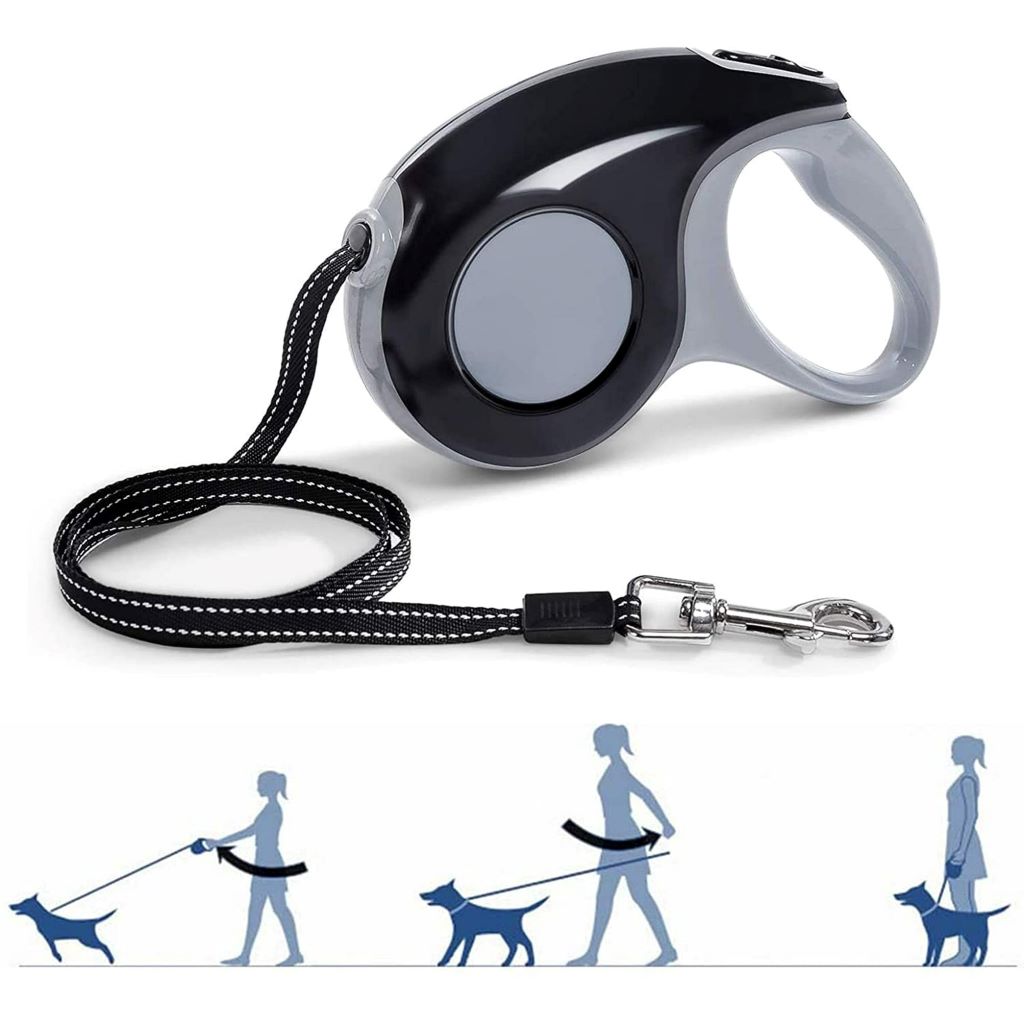
Pair your harness with a sturdy leash, ideally 4–6 feet long. Avoid retractable leashes, which can encourage pulling and reduce control.
Monitor for Overheating
Some harnesses, especially padded or vest-style ones, can cause your dog to overheat in warm weather. Choose breathable materials and take breaks in the shade.
Never Leave It On Unsupervised
Remove the harness when your dog is not on a walk. Leaving it on for extended periods can cause discomfort or skin irritation.
FAQs About Terrier Dog Harnesses
What is the best harness for a terrier that pulls?
A front-clip harness, like the Ruffwear Front Range or Freedom No-Pull Harness, is ideal for terriers that pull. The front attachment point helps redirect their momentum and discourages pulling.
How do I know if the harness fits properly?
A properly fitted harness should allow you to fit two fingers between the harness and your dog’s body. It should not slip over the head or restrict movement.
Can my terrier wear a harness all day?
No, harnesses should only be worn during walks or supervised activities. Prolonged use can cause chafing or discomfort.
Are harnesses safe for puppies?
Yes, but choose a lightweight, adjustable harness designed for puppies. Avoid tight or restrictive designs that could hinder their growth.
How do I clean a dog harness?
Most harnesses can be hand-washed with mild soap and water. Air dry them thoroughly before using them again. Check the manufacturer’s instructions for specific care guidelines.
Conclusion
Choosing the best terrier dog harness is all about finding the right balance of safety, control, and comfort. By focusing on adjustability, durability, and your dog’s specific needs, you can make walks more enjoyable and stress-free for both of you.
A good harness not only keeps your terrier secure but also helps you build a stronger bond through positive walking experiences. Share your favorite harness tips or ask questions in the comments below—let’s help each other keep our terriers happy and safe!