Bathing your dog is a regular part of pet care. However, it can use a surprising amount of water. Many dog owners do not realize how much waste is created during bath time. From overflowing tubs to runoff water and single-use plastic accessories, the impact adds up quickly.
Fortunately, choosing the right dog bathtub can make a real difference. The right tub helps you use less water, reduce mess, and cut down on waste. Therefore, this guide will help you understand exactly what to look for when picking an eco-friendly dog bathtub for your home.
Why Your Dog Bathtub Choice Matters for the Environment
Most people think of dog baths as a simple chore. However, the way you bathe your dog has real environmental consequences. A standard bathtub can hold between 100 and 150 liters of water. If you use one every time you wash your dog, that adds up to hundreds of liters per month.
Additionally, bathing dogs in large tubs often means using more shampoo than necessary. Excess shampoo washes into drains and can affect local water systems. Furthermore, cheap plastic accessories and disposable grooming tools contribute to household waste.
Therefore, selecting a dog bathtub that is designed with water efficiency in mind is a smart and responsible choice. It benefits your wallet, your dog, and the planet.
Types of Dog Bathtubs Available Today
Before you can pick the right tub, you need to understand what options are available. There are several types of dog bathtubs on the market. Each has its own advantages and drawbacks when it comes to water use and waste reduction.
Portable Folding Tubs
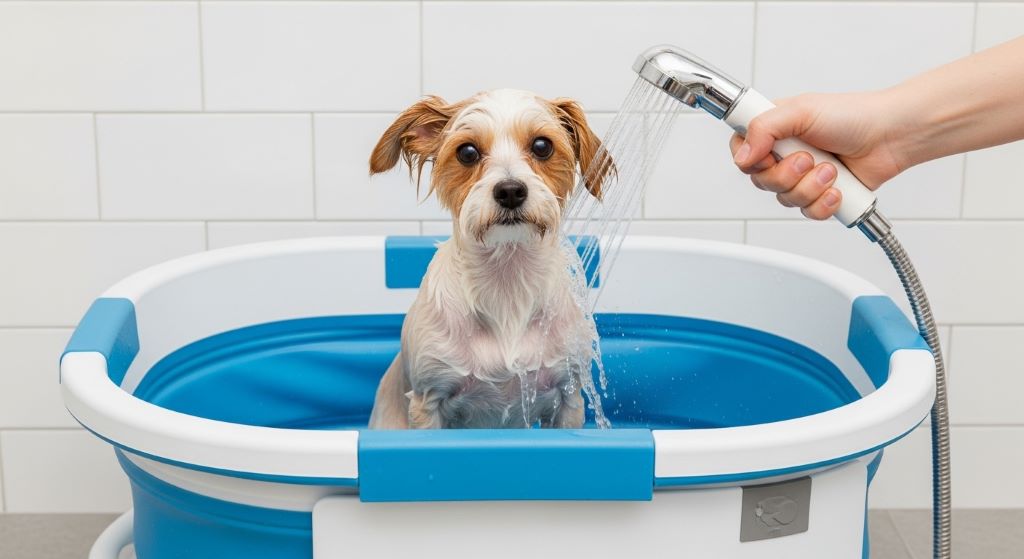
Portable folding tubs are lightweight and compact. They are made from flexible plastic or fabric materials. Because they are smaller than standard bathtubs, they naturally use less water. Additionally, many models have built-in drain plugs that allow you to control the water level precisely. These tubs are ideal for small to medium-sized dogs.
Fixed Grooming Tubs
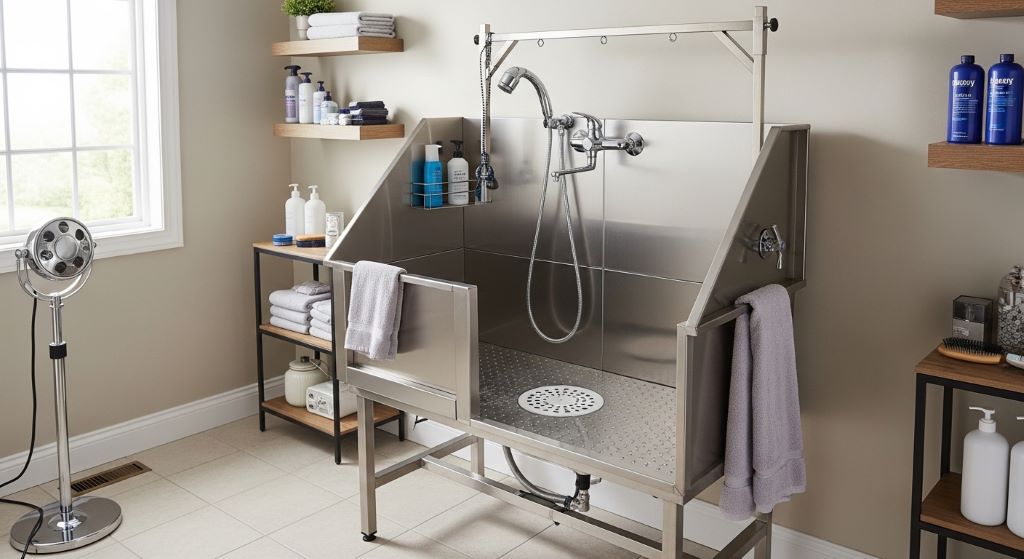
Fixed grooming tubs are permanent installations, similar to what you would find in a professional grooming salon. They are usually made from stainless steel or durable plastic. These tubs often come with spray attachments and water-saving nozzles. However, they require dedicated space and a higher upfront investment.
Walk-In or Step-In Dog Tubs
Walk-in dog tubs allow your pet to enter and exit without being lifted. This design reduces stress for both the dog and the owner. Many walk-in tubs feature low water fill lines, non-slip surfaces, and efficient draining systems. Therefore, they are a practical choice for households with large or elderly dogs.
Inflatable Dog Tubs
Inflatable dog tubs are budget-friendly and easy to store. They can be used indoors or outdoors. However, they tend to be less durable than other types. Additionally, some inflatable models lack proper drainage features, which can lead to water waste. If you choose this option, look for one with a fitted drain and a snug size for your dog.
Key Features to Look For in a Water-Saving Dog Tub
Not all dog tubs are created equal. Some are designed with water efficiency in mind, while others prioritize convenience or price. Therefore, knowing which features to look for will help you make a smarter buying decision.
Correct Size for Your Dog
Size matters more than most people think. A tub that is too large will require more water to fill. A tub that is too small will be uncomfortable for your dog and difficult to use. Therefore, always measure your dog before purchasing a tub. Consider the dog height, length, and weight. Choose a tub that fits snugly but allows comfortable movement.
Efficient Drainage System
A good drainage system is essential for reducing water waste. Look for tubs with large, easy-to-open drain plugs positioned at the lowest point of the tub. Some models include filtered drains that catch dog hair and debris, which prevents blockages. Additionally, efficient drainage reduces the chance of water spilling over the sides during use.
Water Volume Markings
Some dog tubs include water volume markings on the interior walls. These markings help you fill the tub to the right level without guessing. As a result, you avoid overfilling, which is one of the most common causes of unnecessary water use during dog baths.
Spray Attachment Compatibility
Using a handheld spray attachment instead of filling the tub completely can save a significant amount of water. Therefore, choose a tub that is compatible with a standard garden hose or showerhead attachment. Some dog tubs come with built-in spray systems that deliver water precisely where needed, further reducing waste.
Non-Slip Base
A non-slip base may not seem related to water saving, but it is. When dogs feel secure, they are calmer during baths. A calm dog moves around less. Less movement means less water splashing out of the tub. Therefore, a tub with a textured or rubberized base indirectly helps reduce water waste.
Materials That Are Better for the Environment
The material of a dog bathtub affects both its durability and its environmental impact. Choosing the right material means your tub will last longer, which reduces waste over time.
Here is a comparison of common materials:
- Stainless steel: Highly durable, rust-resistant, and fully recyclable. It is the most eco-friendly option for long-term use.
- Recycled plastic: Some brands offer tubs made from recycled materials. These reduce the demand for new plastic production and are a good mid-range option.
- Natural rubber: Used in some portable tubs and non-slip mats. It is biodegradable and a sustainable alternative to synthetic rubber.
- Virgin plastic: The least eco-friendly option. It is inexpensive but prone to cracking and typically cannot be recycled easily.
Additionally, avoid tubs that come with excessive plastic packaging. Some brands now ship their products in recycled cardboard with minimal wrapping. This reduces packaging waste right from the moment you receive your purchase.
How to Reduce Water Waste During Dog Bath Time
Choosing the right tub is a great start. However, the way you use the tub also matters. Even the best eco-friendly tub will not help if you leave the water running the entire time. Therefore, consider these practical habits to reduce water use further.
- Wet your dog first with a handheld sprayer, then turn off the water while you lather the shampoo.
- Use a concentrated eco-friendly dog shampoo. These require less product per wash and rinse out faster.
- Collect the rinse water in a bucket or tub and reuse it to water your garden or flush outdoor areas.
- Brush your dog thoroughly before the bath to remove loose fur. This shortens the bathing process and reduces the rinse time needed.
- Bathe your dog only when necessary. Most dogs do not need a full bath more than once every three to four weeks.
Choosing a Dog Tub Based on Your Living Space
Where you live plays a big role in which type of dog tub is most practical for you. A large house with an outdoor space offers more flexibility. However, apartment dwellers need to think more carefully about space and drainage options.
For Apartment or Small Space Living
If you live in an apartment, a compact folding or inflatable tub is the best choice. These models store easily and can be used in a bathroom or shower cubicle. Look for one that connects to your existing showerhead. Additionally, make sure the tub fits within your shower or bathtub area to contain splashing and prevent water from spreading across the floor.
For Houses with Outdoor Space
If you have a yard or garden, outdoor dog tubs give you more options. You can use a larger portable tub outdoors and let the soapy water drain directly into the garden. However, make sure to use only biodegradable, pet-safe shampoo if the water will reach your plants. Outdoor bathing also saves time on cleanup inside the home.
For Multi-Dog Households
If you have more than one dog, investing in a fixed grooming tub is worth considering. A permanent tub can be used repeatedly throughout the day without being moved or refilled unnecessarily. Furthermore, fixed tubs often have more efficient water connections and drainage, making each bath quicker and less wasteful.
Eco-Friendly Accessories to Pair with Your Dog BathTub
The right accessories can make your dog bath routine even more sustainable. These additions work alongside your chosen tub to further reduce waste and improve efficiency.
- Water-saving showerhead attachment: Reduces the flow rate without affecting water pressure. This simple tool can cut water use by up to 40 percent.
- Reusable microfiber towels: Replace disposable paper towels or single-use drying sheets. Microfiber dries dogs quickly and can be washed and reused hundreds of times.
- Hair catcher drain cover: Prevents dog fur from entering the drain, which reduces the need for chemical drain cleaners. It also keeps water flowing freely and prevents overflow.
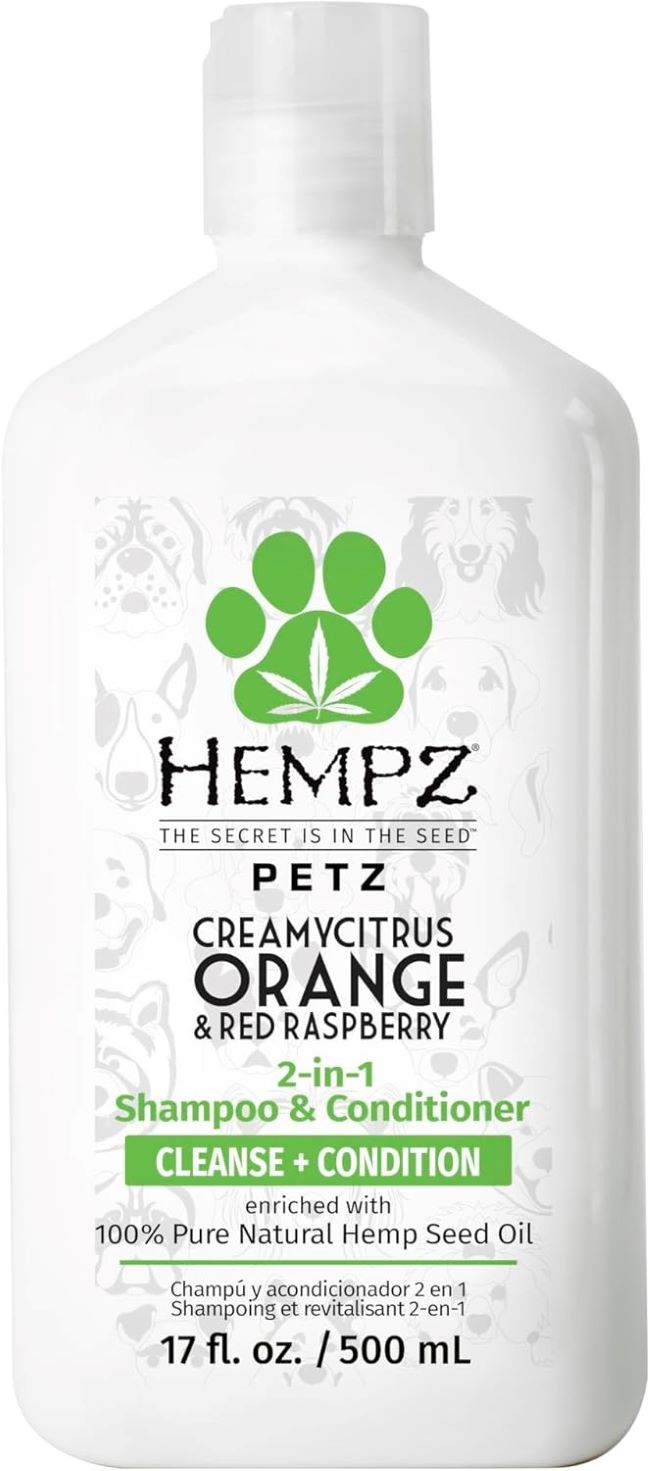
- Biodegradable dog shampoo: Breaks down naturally in water and does not harm aquatic ecosystems. Look for shampoos in recyclable or refillable packaging.
- Natural loofa or silicone scrubbing gloves: Reusable and effective alternatives to disposable sponges or wash pads.
Budget Considerations for Eco-Friendly Dog Tubs
It is a common belief that eco-friendly products always cost more. However, that is not always the case with dog tubs. Many water-saving options are available at a range of price points. Additionally, the long-term savings on water bills and grooming supplies can offset the initial cost.
For budget-conscious buyers, a mid-size folding tub made from recycled plastic is a practical entry point. These typically cost between 30 and 70 dollars and are durable enough to last several years. Therefore, you get both environmental and financial value from a single purchase.
For those willing to invest more, a stainless steel fixed tub offers the best durability and efficiency. These models can last a decade or more with proper care. Furthermore, stainless steel is fully recyclable at the end of its life, making it the most sustainable choice over the long term.
Conclusion
Picking a dog bathtub that saves water and reduces waste does not have to be difficult. It starts with understanding the different types of tubs available and knowing which features support water efficiency. The right tub size, a good drainage system, and the correct material all play important roles in making your dog bath routine more sustainable.
Additionally, the habits you build around bath time matter just as much as the equipment you choose. Turning off the water while you lather, reusing rinse water, and using eco-friendly shampoo all contribute to a greener routine. Therefore, combining the right tub with the right practices gives you the best results.
Whether you are an apartment dweller with a small folding tub or a multi-dog household with a fixed grooming station, there is an eco-friendly solution for every situation. Start by evaluating your dog size, your living space, and your budget. From there, use the tips in this guide to find the perfect dog bathtub that is good for your pet and kind to the planet.
Frequently Asked Questions
1. How much water does a typical dog bath use?
A standard home bathtub can use between 100 and 150 liters of water per bath. However, a dedicated dog bathtub that is correctly sized can cut that figure dramatically. Some compact dog tubs use as little as 15 to 30 liters per wash. Therefore, switching to a purpose-built dog tub is one of the most effective ways to reduce water use during grooming.
2. What is the most eco-friendly material for a dog bathtub?
Stainless steel is widely considered the most eco-friendly material for dog bathtubs. It is extremely durable, resistant to rust and bacteria, and fully recyclable at the end of its lifespan. Recycled plastic is also a good option if stainless steel is outside your budget. Additionally, both materials are easier to clean than porous surfaces, which means you use less cleaning product over time.
3. Can I use a regular bathtub to wash my dog in an eco-friendly way?
Yes, it is possible to reduce water waste even when using a regular bathtub. Use a handheld showerhead attachment to direct water precisely where needed. Avoid filling the tub completely. Use concentrated biodegradable shampoo and rinse your dog quickly. However, a dedicated dog tub will always be more efficient because it is sized appropriately for your pet.
4. How often should I bathe my dog to minimize water use?
Most dogs only need a full bath every three to four weeks. Bathing too frequently can strip natural oils from your dog skin and coat. Additionally, it uses more water than necessary. Between baths, you can use waterless dog shampoo or grooming wipes to keep your dog fresh without any water at all. Therefore, a consistent but infrequent bathing schedule is best for both your dog and the environment.
5. Are inflatable dog tubs a good eco-friendly option?
Inflatable dog tubs can be eco-friendly if used correctly. They are smaller than standard bathtubs and therefore use less water. However, they tend to be less durable and may need to be replaced more frequently than rigid tubs, which can create more waste over time. If you choose an inflatable tub, look for one made from thick, puncture-resistant PVC and store it carefully after each use to extend its lifespan.
Related Topics:
Best Waterproof Dog Bed Covers & Orthopedic Beds Compared 2026: Ultimate Comfort Meets Unbeatable Protection
Best Affordable Dog Cooling Vests 2026: Summer Heat Relief & UV Protection