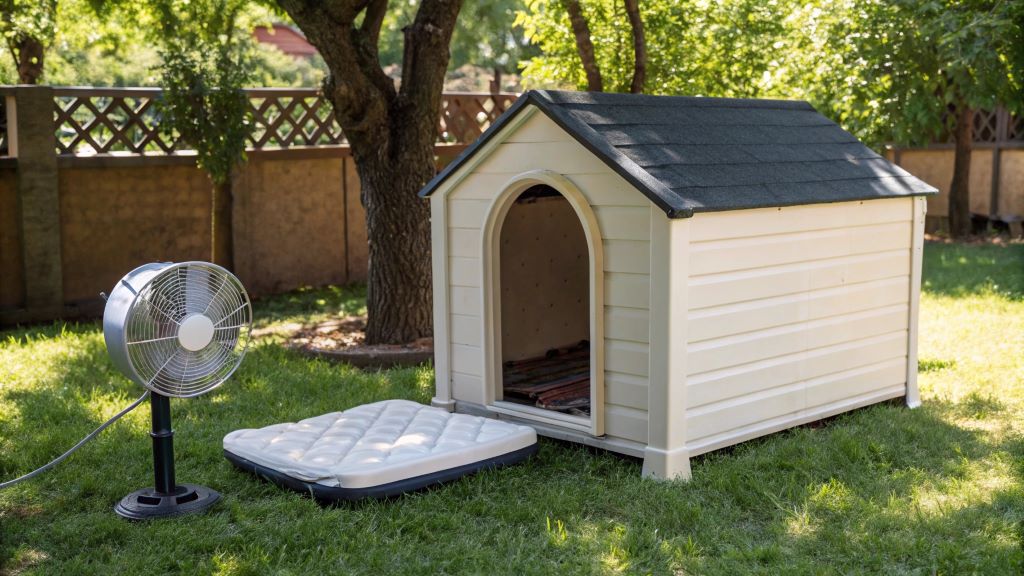
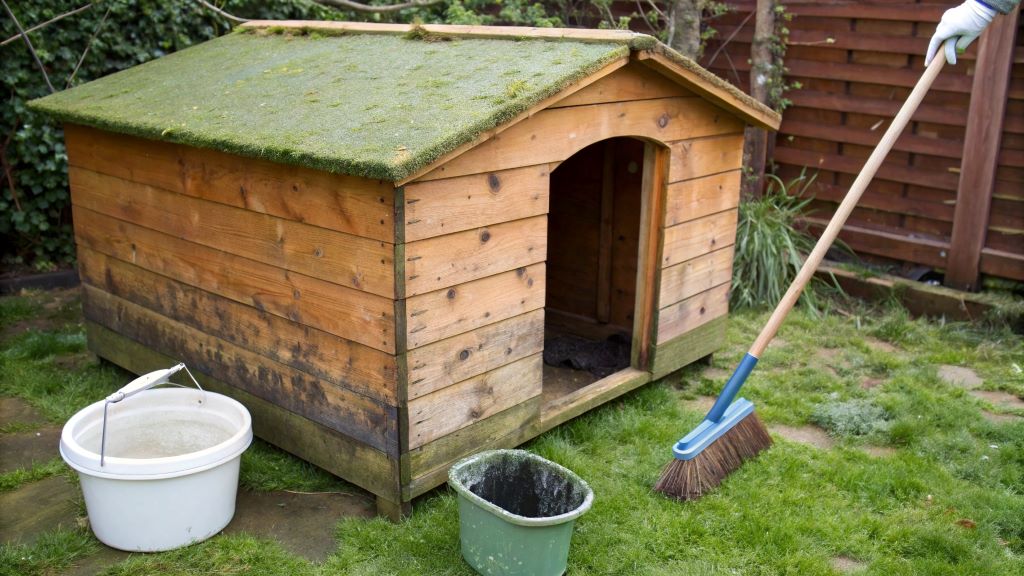
Last summer, I noticed a musty smell wafting from my dog Max’s wooden dog house. Upon closer inspection, I found dark, fuzzy patches of mold creeping along the interior walls. My heart sank—Max deserved a clean, safe space, and I had let mold sneak in. Mold isn’t just unsightly; it can harm your pet’s health, causing respiratory issues or allergies. According to the Environmental Protection Agency (EPA), mold thrives in damp, humid environments, making wooden dog houses prime targets.
This experience pushed me to learn how to clean mold off a wooden dog house effectively and safely. In this guide, I’ll share a storytelling journey of restoring Max’s dog house, offering actionable tips to help you do the same. By following these steps, you’ll ensure your furry friend has a healthy, mold-free home.
Why Mold Grows on Wooden Dog Houses
Mold loves wood because it’s organic and holds moisture. Dog houses, often exposed to rain, humidity, or poor ventilation, become mold magnets. The EPA notes that mold can grow within 24–48 hours in damp conditions above 70% humidity. My backyard, shaded by trees, trapped moisture around Max’s dog house, creating a perfect storm for mold. Poorly sealed wood or cracks also invite water, feeding mold spores. Additionally, pet bedding, like blankets, can absorb moisture, worsening the problem. Understanding these triggers is key to prevention. Regularly check your dog house for leaks, ensure proper airflow, and use waterproof sealants. By addressing these factors, you’ll stop mold before it starts, saving time and effort.
Safety First: Preparing to Clean Mold
Before tackling mold, prioritize safety. Mold spores can irritate lungs, eyes, or skin, especially for pets or people with allergies. The Centers for Disease Control and Prevention (CDC) recommends wearing protective gear when cleaning mold. Here’s how I prepared for Max’s dog house cleanup:
- Wear gloves, a mask, and goggles: I used an N95 mask to avoid inhaling spores.
- Work in a well-ventilated area: I moved the dog house to an open, sunny spot.
- Keep pets away: Max stayed indoors to avoid exposure.
- Gather supplies: I collected a scrub brush, bucket, mild detergent, white vinegar, and a spray bottle.
These precautions ensured I cleaned safely. Additionally, check the weather—dry, sunny days are best for drying wood post-cleaning. By preparing properly, you’ll protect yourself and your pet while making the process smoother.
How to Clean Mold Off a Wooden Dog House: Step-by-Step Guide

Cleaning mold off a wooden dog house requires patience and the right approach. Here’s the method I used to restore Max’s dog house, broken into clear steps:
Step 1: Remove Bedding and Debris
I started by removing Max’s blanket and toys. Mold often hides in bedding, so wash these in hot water with detergent. Vacuum or sweep out dirt, fur, or loose debris from the dog house. This clears the surface, making mold easier to spot and treat.
Step 2: Dry Brush the Mold
Using a stiff scrub brush, I gently scrubbed visible mold patches. This removes surface mold without spreading spores. Do this outside to avoid indoor contamination. I noticed some mold flaked off easily, but stubborn spots needed more work.
Step 3: Apply a Vinegar Solution
White vinegar is a natural mold killer. According to a 2015 study in the Journal of Environmental Health, vinegar kills 82% of mold species. I mixed equal parts vinegar and water in a spray bottle, then sprayed the moldy areas generously. Let it sit for 10–15 minutes to penetrate the wood.
Step 4: Scrub and Rinse
I scrubbed the treated areas with a brush, focusing on crevices. Afterward, I wiped the wood with a damp cloth to remove vinegar and mold residue. Avoid soaking the wood, as excess water can worsen mold growth.
Step 5: Dry Thoroughly
Sunlight is a natural mold inhibitor. I left Max’s dog house in the sun for a full day to dry completely. Fans or dehumidifiers can help indoors. Ensure the wood is bone-dry before moving to the next step.
Step 6: Sand Persistent Stains
Some dark mold stains lingered on Max’s dog house. I used medium-grit sandpaper to lightly sand these areas, smoothing the wood. Sanding also preps the surface for sealing, which prevents future mold.
Step 7: Seal the Wood
To protect the dog house, I applied a pet-safe, waterproof sealant. The EPA suggests using mold-resistant coatings on outdoor wood. I chose a non-toxic sealant, ensuring Max’s safety. Apply two coats, following the product’s instructions, and let it cure fully.
This process took a weekend but left Max’s dog house spotless and safe. Follow these steps carefully, and you’ll see similar results.
Preventing Future Mold Growth
Cleaning mold is only half the battle—prevention is key. After restoring Max’s dog house, I took steps to keep mold at bay. Elevate the dog house on bricks or a platform to improve airflow and prevent ground moisture. Regularly inspect for leaks or cracks, sealing them promptly. Use mold-resistant bedding, like synthetic mats, and wash them weekly. Additionally, ensure proper ventilation by adding small vents or keeping the door open on dry days. The CDC emphasizes that controlling moisture is the most effective way to prevent mold. I also moved Max’s dog house to a sunnier spot in the yard, reducing shade and humidity. These habits will keep your dog house mold-free for years.
Common Mistakes to Avoid
When cleaning mold, mistakes can worsen the problem. I learned this the hard way. Initially, I used bleach, thinking it would kill mold faster. However, the CDC warns that bleach can damage wood and may not penetrate deeply enough to kill mold roots. Another mistake was neglecting to dry the wood fully, which invited mold back. Avoid using high-pressure washers, as they force water into wood, trapping moisture. Don’t skip protective gear—inhaling spores can cause health issues. Finally, never paint over mold without cleaning it first; paint traps spores, allowing them to grow. By sidestepping these errors, you’ll save time and protect your dog house.
Conclusion
Cleaning mold off Max’s wooden dog house was a labor of love, but the result—a safe, cozy home for my best friend—was worth it. Mold may seem daunting, but with the right tools, safety measures, and steps, you can tackle it confidently. By following this guide, you’ll not only clean mold but also prevent it, ensuring your pet’s space stays healthy. Take action today to give your dog a fresh, mold-free home. Have you faced a moldy dog house? Share your tips or questions in the comments below, or pass this guide along to fellow pet owners!
FAQs
How do I know if my dog house has mold?
Look for dark, fuzzy patches, musty odors, or damp wood. Mold often grows in shaded, humid areas.
Is mold in a dog house dangerous for my pet?
Yes, mold can cause allergies or respiratory issues in pets, per the EPA. Clean it promptly.
Can I use bleach to clean mold off wood?
No, bleach may damage wood and not kill mold roots, according to the CDC.
How often should I check my dog house for mold?
Inspect monthly, especially after rain or high humidity, to catch mold early.
What’s the best sealant for a wooden dog house?
Use a pet-safe, waterproof, mold-resistant sealant, as recommended by the EPA.
Read More: