

Every dog owner faces a critical decision when choosing their pet’s nutrition. You want food that fuels energy, supports health, and keeps your furry friend happy. Taste of the Wild has emerged as a popular contender in the premium dog food market, promising ancestral nutrition without grains. But does this high-protein formula truly deliver on its claims?
Read more: High-Protein Grain-Free Taste of the Wild Dog Food ReviewWhat Makes Taste of the Wild Stand Out
Taste of the Wild positions itself as a nature-inspired brand. The company mimics what wolves and wild dogs would naturally consume. Their grain-free recipes contain real roasted meats as primary ingredients. Additionally, they incorporate novel proteins like bison, venison, and salmon. This approach appeals to pet parents seeking alternatives to conventional chicken or beef formulas.
The brand emerged in 2007 during the grain-free movement’s early days. Since then, millions of dogs have transitioned to these recipes. However, the grain-free debate continues to spark conversations among veterinarians and nutritionists. Some professionals question whether grain-free diets suit all dogs equally.

Nutritional Breakdown and Protein Content
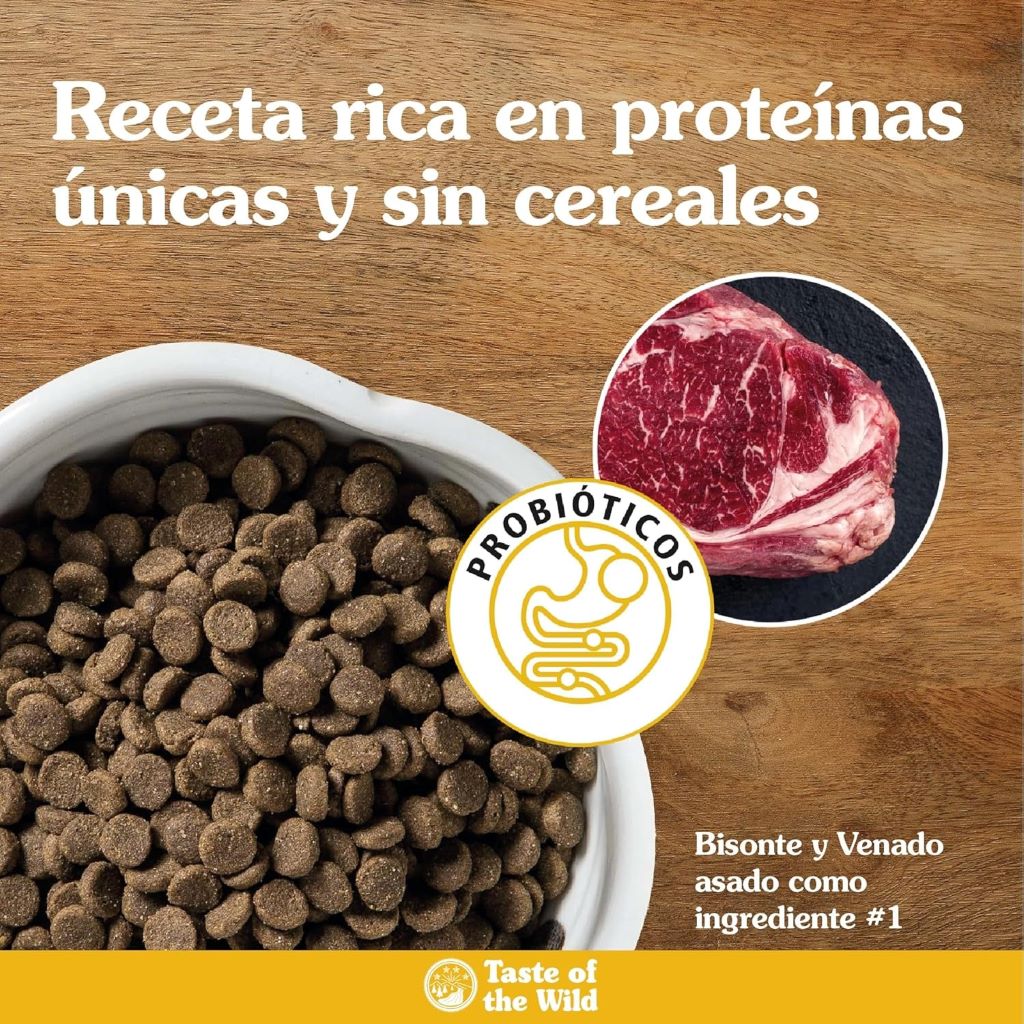
Taste of the Wild delivers impressive protein levels across its product line. Most formulas contain between 28% to 32% crude protein. This exceeds AAFCO minimum requirements by significant margins. Therefore, active dogs and working breeds often thrive on these nutrient-dense recipes.
The protein sources deserve special attention. Buffalo, lamb meal, and chicken meal provide concentrated amino acids. Meal ingredients contain less moisture than fresh meat, offering more protein per pound. Moreover, these recipes include probiotics and antioxidants from fruits and vegetables. Blueberries, raspberries, and tomatoes contribute essential vitamins and minerals.
Fat content ranges from 15% to 18% in most varieties. Omega-3 and omega-6 fatty acids support skin health and coat shine. Many owners report noticeable improvements in their dog’s appearance within weeks. The balanced fat-to-protein ratio provides sustained energy without excessive calories.
The Grain-Free Controversy Explained
The FDA investigated potential links between grain-free diets and canine dilated cardiomyopathy (DCM) in 2018. This heart condition raised concerns among veterinary professionals nationwide. Research suggested that certain grain-free formulas might contribute to DCM development. However, studies haven’t established definitive causation yet.
Taste of the Wild responded by reformulating several recipes. They increased taurine levels and adjusted ingredient ratios accordingly. The company maintains transparency about these changes on their website. Nevertheless, some veterinarians still recommend traditional grain-inclusive diets for most dogs.
Pet owners should consult their veterinarian before switching to grain-free nutrition. Dogs with specific health conditions might require specialized dietary approaches. The grain-free debate illustrates why individualized nutrition matters more than following trends.
Real-World Experience and Customer Feedback
Thousands of dog owners share positive experiences with Taste of the Wild. Many report improved digestion and reduced allergic reactions after switching brands. Dogs with sensitive stomachs often show remarkable improvement within two weeks. The high digestibility rate means less waste and easier cleanup outdoors.
One German Shepherd owner noticed her dog’s chronic ear infections disappeared completely. She attributes this success to eliminating corn and wheat from his diet. However, another Golden Retriever owner saw no significant changes after three months. These varied experiences highlight individual biological differences among dogs.
Athletic dogs and working breeds particularly benefit from the high protein content. Sled dogs, hunting companions, and agility competitors maintain lean muscle mass effectively. Their energy levels remain consistent throughout demanding activities and competitions.
Taste Variations and Formula Options
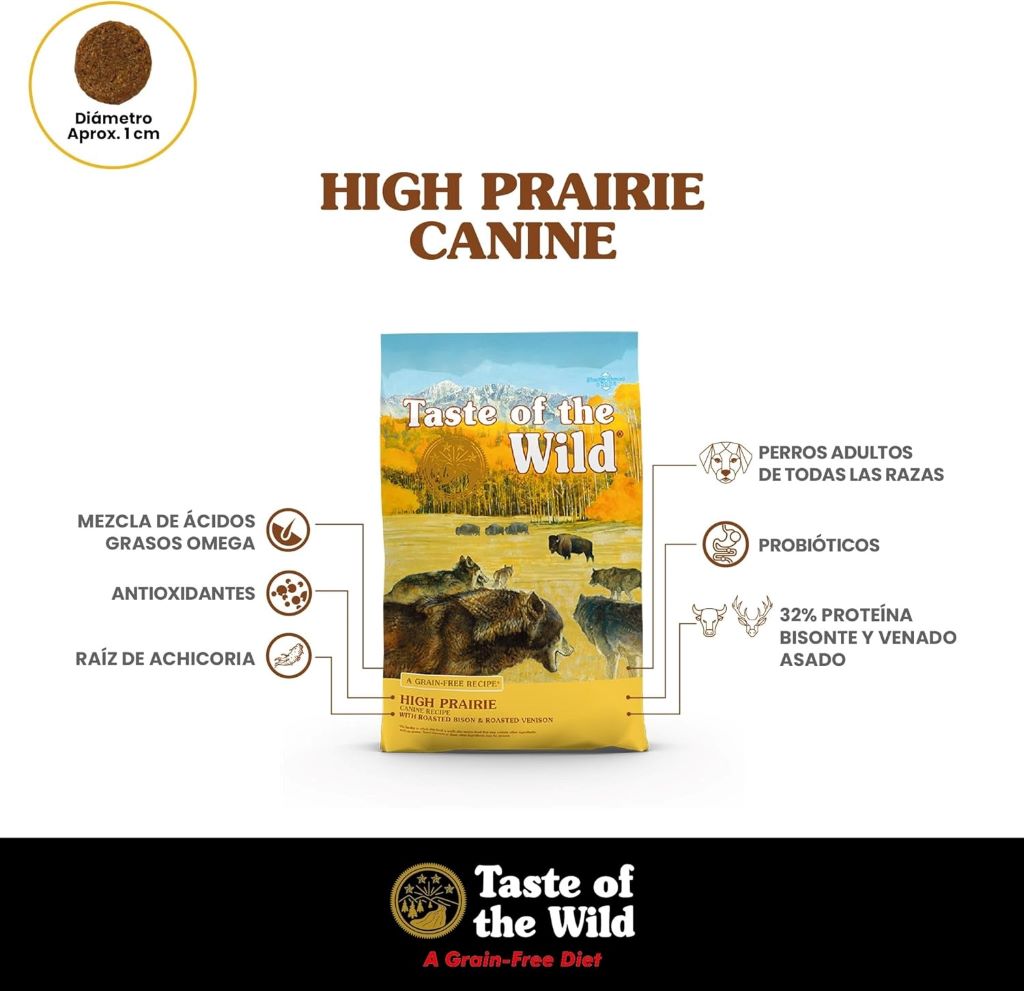
The brand offers multiple protein-focused recipes to suit different preferences. High Prairie features roasted bison and venison as primary ingredients. Pacific Stream emphasizes salmon and ocean fish for dogs preferring seafood flavors. Additionally, Pine Forest contains venison and legumes for unique taste profiles.
Puppy formulas provide extra calories and nutrients for growing dogs. Senior recipes reduce calorie density while maintaining protein levels for aging metabolism. This variety allows owners to select appropriate options throughout their dog’s life stages.
Small breed and large breed specific formulas address different nutritional needs. Kibble size varies accordingly to promote proper chewing and digestion. Therefore, toy breeds and giant breeds both find suitable options within the product line.

Ingredient Quality and Sourcing Practices
Taste of the Wild sources ingredients from trusted suppliers across North America. The company emphasizes quality control throughout their manufacturing process. Their facilities follow strict safety protocols and regular testing procedures. However, they experienced several recalls between 2012 and 2013 for salmonella contamination.
These recalls prompted enhanced safety measures and improved quality assurance systems. Since implementing these changes, the brand has maintained a cleaner safety record. Transparency about past issues demonstrates corporate responsibility and commitment to improvement.
The inclusion of legumes like peas and lentils serves multiple purposes. These ingredients provide protein, fiber, and essential nutrients without grains. Additionally, they create the kibble structure necessary for proper manufacturing and shelf stability.
Pros and Cons
Advantages:
- High protein content supports muscle development and energy levels effectively
- Multiple novel protein options accommodate dogs with common food sensitivities
- Grain-free formulas benefit dogs with diagnosed grain allergies or intolerances
- Probiotics and antioxidants promote digestive health and immune system function
- Competitive pricing compared to other premium grain-free brands available nationwide
Disadvantages:
- Grain-free formulas may not suit all dogs equally well
- Past recall history raises concerns for some cautious pet owners
- Some dogs experience digestive adjustment periods during initial transition phases
- Legume-heavy recipes might not align with every veterinarian’s nutritional philosophy
- Limited availability in smaller pet stores outside major retail chains
Featured Snippet: Is Taste of the Wild Good for Your Dog?
Taste of the Wild offers high-quality, protein-rich nutrition suitable for many healthy adult dogs. The grain-free formulas work particularly well for active breeds and dogs with grain sensitivities. However, the grain-free controversy means consultation with your veterinarian remains essential before switching. Most dogs transition smoothly and show improved coat quality within weeks. The brand provides solid nutritional value at mid-premium pricing points. Nevertheless, some dogs may experience initial digestive adjustments or simply prefer different protein sources. Overall, Taste of the Wild represents a viable option for owners seeking ancestral-inspired nutrition without grains, though individual results vary based on your dog’s unique biology and health status.
Frequently Asked Questions
How much does Taste of the Wild cost compared to other premium brands?
Taste of the Wild typically costs between 1.50 and 2.00 dollars per pound. This positions it in the mid-premium category alongside brands like Blue Buffalo. It costs less than ultra-premium options like Orijen or Acana significantly.
Should I worry about the grain-free DCM connection?
Discuss your specific dog’s health history with your veterinarian directly. Most healthy dogs tolerate grain-free diets without issues developing. However, certain breeds show higher DCM susceptibility and may require alternative nutrition.
How long does the transition period take?
Gradual transitions over seven to ten days prevent digestive upset effectively. Mix increasing amounts of new food with decreasing old food portions. This approach allows your dog’s digestive system to adapt properly.
Can puppies eat Taste of the Wild formulas?
The brand offers puppy-specific recipes designed for growing dogs’ needs. These formulas contain higher calorie density and adjusted nutrient ratios. Always select age-appropriate varieties for optimal development and health.
Where can I purchase Taste of the Wild products?
Major pet retailers like Petco, Chewy, and Amazon carry the complete product line. Many independent pet stores also stock popular varieties regularly. Online ordering often provides better pricing and subscription discount options.
Final Thought
Taste of the Wild High-Protein Grain-Free Dog Food delivers solid nutritional value for many dogs. The brand’s commitment to quality ingredients and novel proteins sets it apart. However, the grain-free debate requires thoughtful consideration and professional veterinary guidance. Your dog’s individual needs should always dictate dietary choices over marketing trends.
Most owners report positive experiences with improved coat quality and sustained energy. The variety of protein options accommodates different taste preferences and sensitivities effectively. Additionally, the competitive pricing makes premium nutrition accessible to more pet parents. Read More: Picky Eater Dog Meal Toppers That Work: Transform Your Furry Friend’s Dining Experience
Ready to transform your dog’s nutrition? Consult your veterinarian today about whether Taste of the Wild suits your furry companion’s unique needs. Your dog deserves nutrition that supports their best life possible.