Dog dandruff appears as white flakes on your pet’s coat and skin. This common condition affects dogs of all breeds and ages. Fortunately, natural home remedies can effectively treat most cases without expensive veterinary treatments or harsh chemicals.
Understanding Dog Dandruff and Its Causes
Dandruff occurs when your dog’s skin becomes dry and sheds dead cells excessively. These flakes become visible on dark-colored coats and furniture. However, dandruff itself is merely a symptom of underlying issues.
Dry air from indoor heating systems frequently causes winter dandruff. Additionally, poor nutrition lacking essential fatty acids contributes to skin problems. Over-bathing strips natural oils from your dog’s skin, creating dryness and flaking.
Allergies to food, pollen, or household products can trigger dandruff. Parasites like Cheyletiella mites cause “walking dandruff” that moves across the skin. Therefore, identifying the root cause helps determine the most effective natural treatment.
Regular Brushing for Dandruff Control
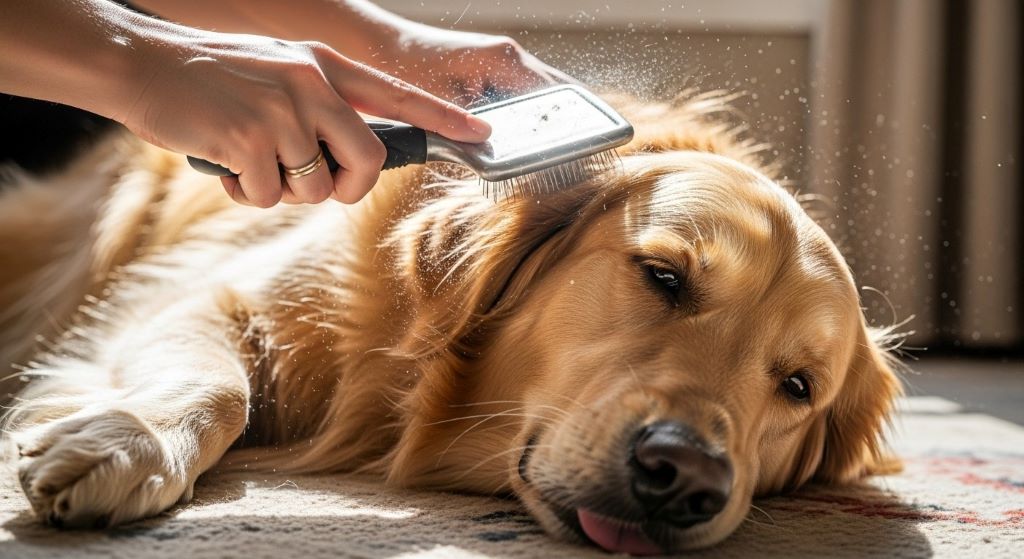
Brushing distributes natural skin oils throughout your dog’s coat. This simple practice prevents oil buildup on the skin while moisturizing dry fur. Moreover, brushing removes dead skin cells before they become visible dandruff.
Choose a brush appropriate for your dog’s coat type. Slicker brushes work well for long-haired breeds, while rubber curry brushes suit short-haired dogs. Bristle brushes provide gentle stimulation for sensitive skin.
Brush your dog daily if possible, or at minimum three times weekly. Use gentle strokes following hair growth direction. Additionally, brushing sessions allow you to check for skin irritation, redness, or other concerns.
Clean your brush after each use to prevent reintroducing dirt and dead skin. Warm soapy water removes accumulated debris effectively. Therefore, maintaining clean grooming tools supports overall skin health.
Coconut Oil Treatment for Dry Skin
Coconut oil contains lauric acid with natural antibacterial and antifungal properties. This tropical oil deeply moisturizes skin while creating a protective barrier. Furthermore, most dogs tolerate coconut oil well both topically and orally.
For topical application, warm solid coconut oil between your hands until liquid. Massage thoroughly into your dog’s skin, focusing on dry patches. Leave the oil on for 5-10 minutes before bathing, or apply after bathing as a leave-in conditioner.
Adding coconut oil to your dog’s diet supports skin health from inside. Start with 1/4 teaspoon for small dogs or 1 teaspoon for large dogs daily. Gradually increase to 1 teaspoon per 10 pounds of body weight. However, introduce slowly to prevent digestive upset.
Apply coconut oil treatments 2-3 times weekly for best results. Consistency matters more than quantity when treating dandruff naturally. Additionally, choose organic, virgin coconut oil without additives or fragrances.
Oatmeal Baths for Soothing Relief
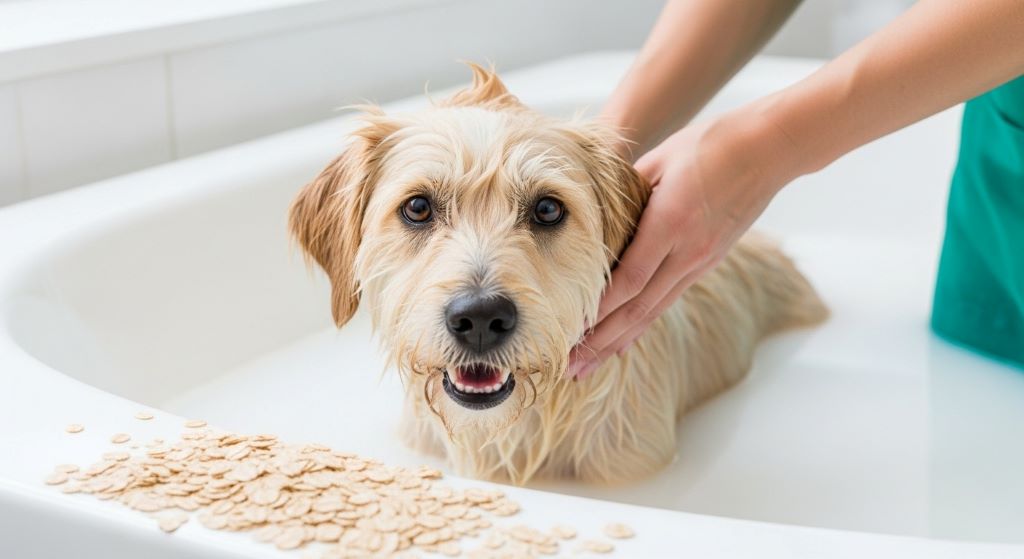
Colloidal oatmeal soothes irritated skin while gently cleansing without harsh detergents. This natural remedy has been used for centuries to treat various skin conditions. Moreover, oatmeal baths provide immediate relief from itching that accompanies dandruff.
Grind plain, unflavored oatmeal into fine powder using a blender or food processor. Fill your bathtub with lukewarm water and add 1-2 cups of ground oatmeal. Stir until the water becomes milky and smooth.
Place your dog in the oatmeal bath and gently pour water over their coat. Massage the mixture into their skin for 10-15 minutes. Therefore, the oatmeal has time to work its soothing magic.
Rinse thoroughly with clean lukewarm water after soaking. Pat your dog dry with a towel rather than rubbing vigorously. Repeat oatmeal baths weekly until dandruff improves, then monthly for maintenance.
Apple Cider Vinegar Rinse
Apple cider vinegar balances skin pH while providing antifungal and antibacterial benefits. This pantry staple helps remove product buildup and dead skin cells. Additionally, vinegar deters certain parasites that cause dandruff-like symptoms.
Mix equal parts apple cider vinegar and water in a spray bottle. After shampooing your dog, spray the diluted vinegar solution onto their coat. Work it through to the skin with your fingers.
Leave the vinegar rinse on for 3-5 minutes before rinsing with clean water. The vinegar smell dissipates as the coat dries. However, never apply undiluted vinegar, which can irritate sensitive skin.
Use apple cider vinegar rinses once or twice weekly. This treatment works especially well for dogs with yeast-related skin issues. Moreover, vinegar helps restore the skin’s natural protective acid mantle.
According to the American Kennel Club, maintaining proper skin pH is essential for preventing dandruff and other skin conditions in dogs.
Omega-3 Fatty Acid Supplementation
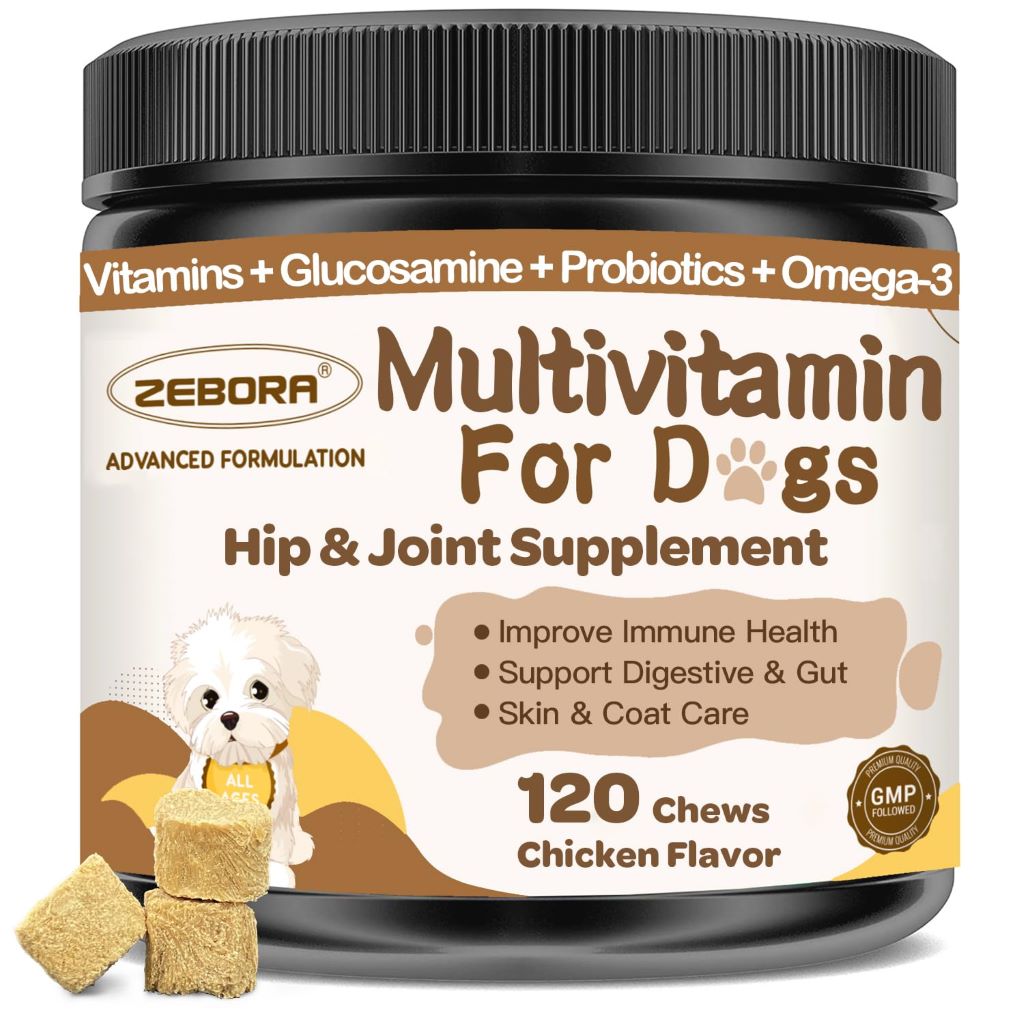
Omega-3 fatty acids reduce inflammation and promote healthy skin cell production. These essential nutrients improve coat quality while addressing dandruff from within. Fish oil provides the most bioavailable form for dogs.
Choose high-quality fish oil supplements specifically formulated for pets. Alternatively, add sardines, salmon, or mackerel to your dog’s diet 2-3 times weekly. Fresh fish provides omega-3s along with other beneficial nutrients.
Dosage depends on your dog’s size and the supplement concentration. Generally, provide 20-55 mg of combined EPA and DHA per pound of body weight daily. Therefore, a 50-pound dog needs approximately 1,000-2,750 mg daily.
Results from omega-3 supplementation take 4-6 weeks to become visible. Patience is essential when treating dandruff with nutritional approaches. Additionally, store fish oil in the refrigerator to prevent rancidity.
Humidifier Use During Dry Seasons
Indoor heating systems drastically reduce humidity levels during winter months. Dry air causes moisture to evaporate from your dog’s skin rapidly. Consequently, dandruff often worsens during heating season.
Place humidifiers in rooms where your dog spends most time. Maintain indoor humidity between 30-50 percent for optimal skin health. Additionally, humidifiers benefit human family members with dry skin.
Clean humidifiers regularly according to manufacturer instructions. Mineral deposits and mold can accumulate in water reservoirs. Therefore, proper maintenance ensures you’re adding clean moisture to the air.
Run humidifiers continuously during heating season for best results. Monitor humidity levels with an inexpensive hygrometer. Moreover, adequate humidity supports respiratory health alongside skin condition.
Natural Shampoo Selection
Commercial dog shampoos often contain harsh detergents that strip natural oils. Sulfates, parabens, and artificial fragrances can irritate sensitive skin. Therefore, choosing gentle, natural shampoos prevents dandruff aggravation.
Look for shampoos with oatmeal, aloe vera, or chamomile as primary ingredients. These natural components soothe while cleansing gently. Additionally, moisturizing shampoos specifically formulated for dry skin work well.
Avoid bathing your dog more than once monthly unless extremely dirty. Over-bathing remains a primary cause of dandruff in dogs. However, when bathing is necessary, use lukewarm water rather than hot.
Rinse shampoo completely from your dog’s coat. Residue left behind causes itching and flaking. Therefore, spend extra time on the rinsing process to ensure thorough removal.
Aloe Vera for Skin Healing
Pure aloe vera gel provides cooling relief to irritated skin. This succulent plant contains vitamins, minerals, and enzymes that promote healing. Moreover, aloe vera moisturizes without leaving greasy residue.
Extract gel directly from fresh aloe leaves for best results. Cut a leaf and squeeze out the clear gel inside. Alternatively, purchase 100% pure aloe vera gel without added alcohol or fragrances.
Apply aloe vera gel directly to dry, flaky patches on your dog’s skin. Gently massage until absorbed, allowing your dog to air dry. Additionally, aloe vera can be mixed with coconut oil for enhanced moisturizing benefits.
Use aloe vera treatments 2-3 times weekly or as needed. This gentle remedy suits even the most sensitive skin. However, ensure your dog doesn’t lick treated areas excessively, as large amounts may cause digestive upset.
Dietary Improvements for Healthy Skin
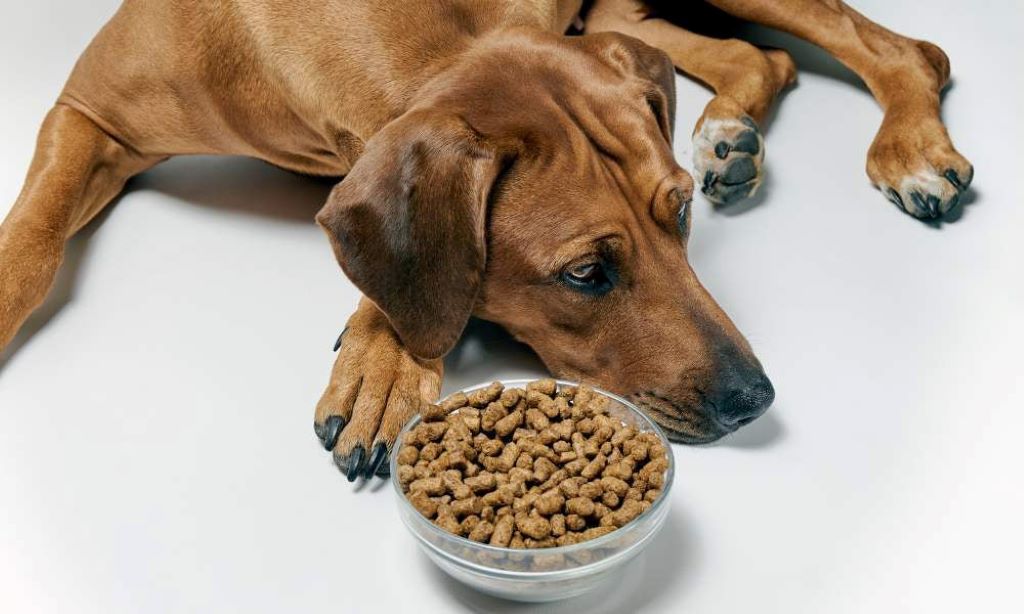
Quality nutrition forms the foundation of healthy skin and coat. Poor-quality dog food lacking essential nutrients contributes significantly to dandruff. Therefore, upgrading your dog’s diet often resolves chronic skin issues.
Choose dog food with named meat proteins as the first ingredient. Avoid foods with excessive corn, wheat, or soy fillers. Additionally, foods containing omega-3 and omega-6 fatty acids support skin health.
Add fresh whole foods to your dog’s meals for nutritional variety. Cooked sweet potatoes, carrots, and green beans provide vitamins and fiber. Small amounts of plain yogurt offer probiotics for skin health.
Ensure your dog drinks adequate fresh water daily. Dehydration manifests in dry, flaky skin among other symptoms. Moreover, proper hydration supports all bodily functions including skin cell renewal.
According to PetMD, nutritional deficiencies are among the most common causes of persistent dandruff in dogs.
Herbal Rinses for Dandruff Relief
Certain herbs possess natural properties that soothe skin and reduce inflammation. Chamomile, calendula, and lavender create gentle rinses for dandruff treatment. Furthermore, these herbs provide pleasant, natural scents.
Steep 2-3 tablespoons of dried herbs in 2 cups of boiling water. Allow the mixture to cool completely before use. Strain out plant material to prevent choking hazards.
Pour the herbal infusion over your dog’s coat after shampooing. Massage into the skin and let sit for 5 minutes before rinsing. Additionally, herbal rinses can be applied between baths for ongoing relief.
Chamomile offers anti-inflammatory benefits for irritated skin. Calendula promotes healing of minor skin damage. Therefore, combining multiple herbs creates synergistic effects for dandruff treatment.
When to Seek Veterinary Advice
Natural remedies effectively treat most dandruff cases caused by environmental factors. However, certain symptoms indicate underlying health problems requiring professional care. Recognizing these warning signs prevents complications.
Seek veterinary attention if dandruff accompanies severe itching, hair loss, or skin lesions. Red, inflamed skin suggests infection or allergic reactions needing medical treatment. Additionally, persistent dandruff despite home treatment warrants professional evaluation.
Moving white flakes may indicate Cheyletiella mites requiring prescription medication. Crusty patches or oozing sores suggest bacterial or fungal infections. Therefore, veterinary diagnosis ensures appropriate treatment for serious conditions.
Blood tests may reveal thyroid problems or other systemic issues causing dandruff. Your veterinarian can recommend prescription shampoos or medications when necessary. Moreover, professional guidance helps rule out serious underlying diseases.
Conclusion
Removing dog dandruff naturally at home involves multiple approaches working together. Regular brushing distributes oils while removing dead skin cells. Moisturizing treatments with coconut oil, oatmeal baths, and aloe vera soothe dry skin. Additionally, improving diet with omega-3 fatty acids and quality nutrition addresses internal causes. Apple cider vinegar rinses and humidifiers provide further support for healthy skin. Therefore, combining these natural remedies creates comprehensive dandruff treatment without harsh chemicals. Consistency and patience produce the best results for your dog’s skin health.
Frequently Asked Questions
How long does it take to remove dog dandruff naturally?
Most dogs show improvement within 2-4 weeks of consistent natural treatment. However, severe cases may require 6-8 weeks of regular care. Results depend on the underlying cause and treatment consistency.
Can I use human dandruff shampoo on my dog?
Never use human dandruff shampoo on dogs, as human products contain ingredients toxic to pets. Dog skin has different pH levels requiring specially formulated products. Instead, use natural dog-specific shampoos with oatmeal or aloe.
Is dog dandruff contagious to humans or other pets?
Regular dandruff from dry skin is not contagious. However, Cheyletiella mites causing walking dandruff can temporarily affect humans and other pets. Therefore, consult your veterinarian if you suspect parasitic dandruff.
What foods help prevent dog dandruff naturally?
Foods rich in omega-3 fatty acids like salmon, sardines, and flaxseed help prevent dandruff. Quality proteins, fresh vegetables, and adequate hydration support healthy skin. Additionally, avoid foods with excessive fillers or artificial additives.
Should I bathe my dog more or less if they have dandruff?
Bathe dogs with dandruff less frequently, typically once monthly or less. Over-bathing strips natural oils causing increased dryness and flaking. However, use moisturizing, natural shampoos when bathing is necessary.
Related Topics:
The Complete Guide to Dog Hair Colour Dye: Transform Your Pet’s Look Safely
Safest Speed Setting for Puppy Nail Grinder: A Gentle Guide for Pet Parents