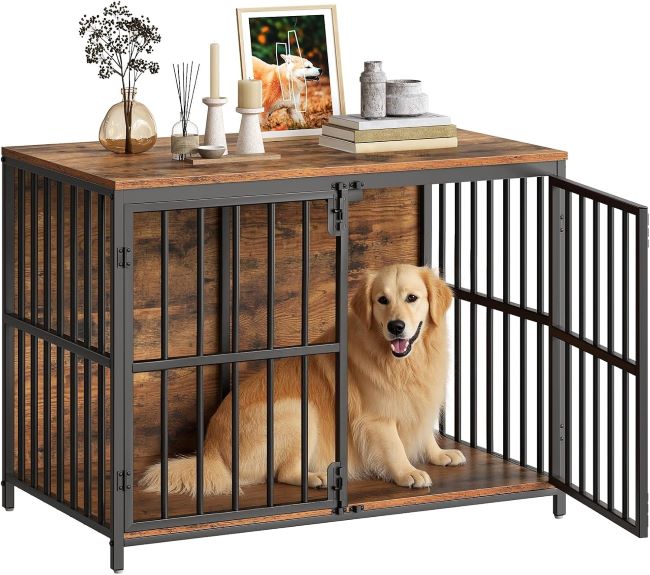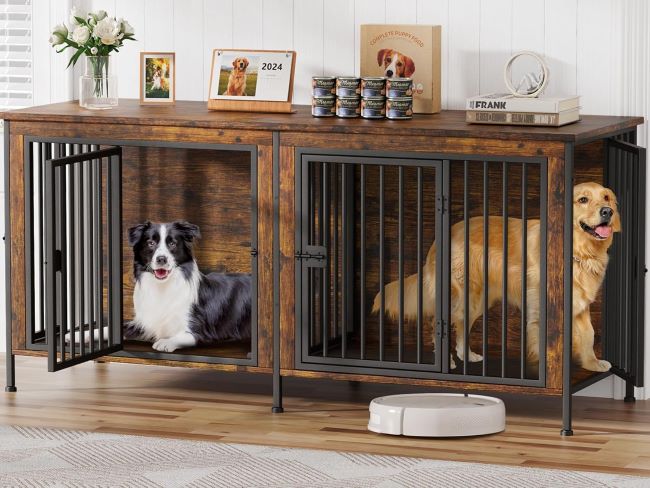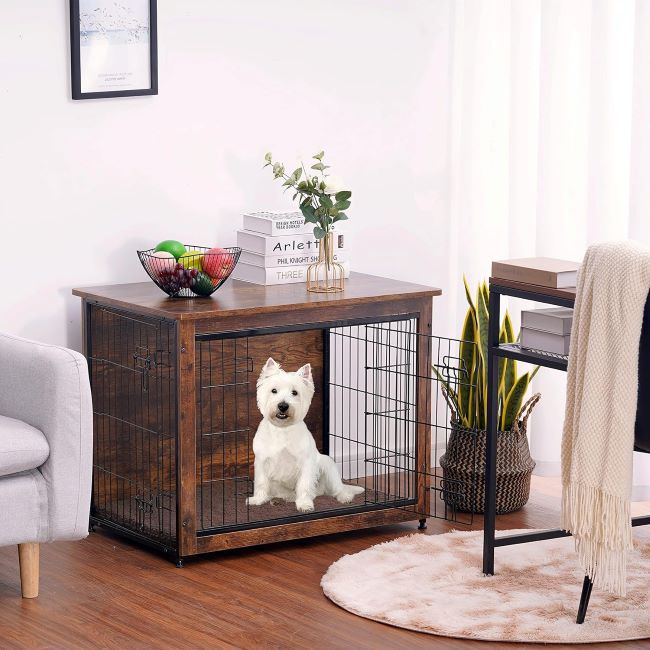
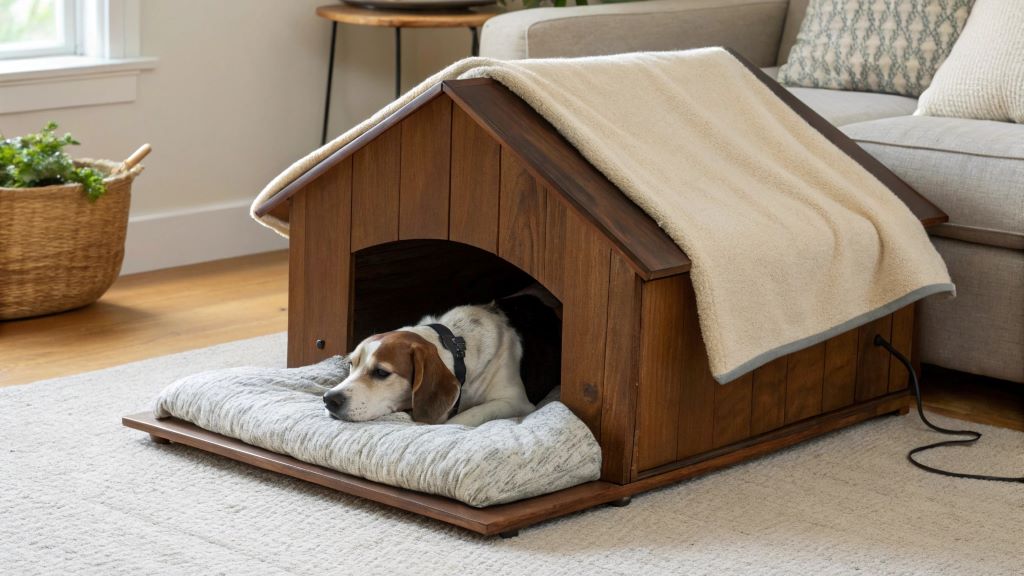
On a chilly winter evening, I watched my golden retriever, Max, shiver despite his fluffy coat. I knew he needed a cozy indoor retreat. That’s when I discovered the magic of the perfect indoor dog house with heating pad . This solution keeps pets warm, safe, and happy. According to the American Pet Products Association, 67% of U.S. households own a pet, and many seek ways to ensure their comfort indoors. The perfect indoor dog house with heating pad offers a dedicated space for your dog, blending style and function.
This blog post shares a storytelling journey with actionable tips to create a warm haven for your pup. Let’s dive into making your dog’s cozy corner a reality.
Perfect Indoor Dog House with Heating Pad Setup
Why Choose an Indoor Dog House?
Indoor dog houses provide a private sanctuary for pets. Unlike outdoor kennels, they fit seamlessly into your home. They offer a sense of security, especially for anxious dogs. A 2023 study by the ASPCA found that 23% of dogs experience anxiety, and a dedicated space can reduce stress. Additionally, indoor dog houses keep pets warm without exposing them to harsh weather. Adding a heating pad elevates comfort, mimicking a cozy den.
For my Max, his indoor dog house became his go-to spot during cold nights. It’s also a stylish addition to your decor, available in designs like teepees or modern crates. Moreover, they’re easier to clean than outdoor options, ensuring hygiene. Consider your dog’s size and personality when choosing one. This setup is perfect for pet owners who prioritize comfort and aesthetics.
Selecting the Right Indoor Dog House
Choosing the perfect indoor dog house requires thought. First, measure your dog’s height and length. Add 9 inches to the height and 12 inches to the width for comfort, as suggested by WikiHow. For example, Max needed a 36-inch-wide house. Next, consider materials. Wooden houses are sturdy and stylish but may need sealing. Plastic houses are lightweight and easy to clean but less insulated. Fabric teepees suit smaller dogs and blend with decor.
Additionally, ensure proper ventilation to prevent overheating. Look for houses with removable covers for washing. For heating, choose a house with enough floor space for a pad. I picked a wooden crate with a cushioned roof for Max, doubling as a side table. Check for non-toxic finishes to keep your pet safe. Finally, match the design to your home’s style for a cohesive look. A well-chosen dog house ensures both comfort and charm.
Where to Find Quality Indoor Dog Houses
- Pet Stores: Chewy and Petco offer various styles and sizes.
- Online Retailers: Amazon has budget-friendly and premium options.
- Local Craftsmen: Etsy sellers create custom wooden designs.
- Secondhand Markets: Check Facebook Marketplace for deals.
Choosing the Best Heating Pad for Your Dog
A heating pad is the heart of a cozy dog house. Safety is key. Never use human heating pads, which can reach unsafe temperatures above a dog’s 102°F body heat, warns CozyWinters. Opt for pet-specific pads like the K&H Lectro-Kennel, which are thermostatically controlled. These pads maintain a safe 102°F and feature chew-resistant cords. For Max, I chose a medium-sized pad with a fleece cover.
Consider size: the pad should cover half the floor, allowing your dog to move off if too warm. Microwavable pads, like SnuggleSafe, are cordless but last only 12 hours. Solar-powered options are eco-friendly but less reliable in winter, producing just 20 watts compared to 400 watts from units like the Akoma Hound Heater. Check for waterproof materials for easy cleaning. Always follow manufacturer instructions to prevent electrical hazards. A quality heating pad ensures your dog stays warm and safe.
Top Heating Pad Features to Look For
- Thermostat Control: Maintains safe temperatures.
- Chew-Proof Cord: Prevents electrical risks.
- Waterproof Material: Simplifies cleaning.
- Size Options: Fits small to large dogs.
- Warranty: Ensures long-term reliability.
Setting Up the Indoor Dog House: Step-by-Step Guide
Setting up an indoor dog house with a heating pad is straightforward. First, choose a quiet, low-traffic area in your home, like a living room corner. Avoid drafty spots near windows. For Max, I placed his house near the fireplace for extra warmth. Next, assemble the dog house per instructions. If using a wooden crate, ensure screws are tight. Then, place the heating pad on the floor, securing the cord through a drilled hole or along the wall to prevent chewing.
Cover the pad with a washable blanket for comfort. Add bedding, like cedar shavings, to retain heat, but monitor for allergies, as noted by Daily Paws. Test the pad for 30 minutes to ensure it warms evenly. Introduce your dog gradually, using treats to create positive associations. Finally, check the setup weekly for wear or cord damage. This process creates a safe, cozy retreat for your pet.
Safety Tips for Setup
- Secure Cords: Use PVC pipes to protect wires.
- Check Temperature: Ensure the pad doesn’t overheat.
- Elevate House: Raise 2–3 inches for air circulation.
- Regular Inspections: Look for frayed cords or damage.
Insulating the Dog House for Extra Warmth
Insulation enhances a heating pad’s efficiency. Without it, heat escapes, leaving your dog chilly. A 2021 Daily Paws article suggests lining walls with foam board or fiberglass insulation, covered with plywood to prevent chewing. For Max’s house, I used 1.5-inch foam board, which kept the interior 10°F warmer. Elevate the house slightly to avoid floor drafts. Straw bedding is another insulator, preferred by mushers for its moisture resistance, per a YouTube guide. Avoid hay, which retains moisture and lacks insulation.
Dark-colored houses absorb more heat, ideal for colder climates. Ensure insulation materials are non-toxic and securely installed. If your dog house is plastic, add a heating pad and thick bedding, as plastic lacks natural insulation. Insulation not only retains warmth but also reduces energy use, making it eco-friendly. Check insulation yearly for wear. This step ensures your dog’s house stays a warm sanctuary all winter.
Styling the Indoor Dog House to Fit Your Home
An indoor dog house should blend with your decor. Choose designs that double as furniture, like a crate with a tabletop. I painted Max’s wooden house white to match my minimalist decor. Fabric teepees in neutral tones suit modern homes, while barn-inspired designs add rustic charm. A 2024 Very Important Paws article suggests floral patterns for a whimsical touch. Add a cozy blanket or cushion in complementary colors.
Place the house in a stylish corner with a pet-themed rug. However, prioritize function: ensure the heating pad and bedding fit comfortably. Avoid cluttering the house with toys, as they reduce space. For small spaces, opt for collapsible designs. Lighting, like a soft LED lamp nearby, creates a cozy vibe. Styling makes the dog house a chic addition, pleasing both you and your pet. Share your design ideas in the comments!
Maintaining Your Indoor Dog House Setup

Maintenance keeps the dog house safe and cozy. Clean the house weekly, removing fur and debris. Wash bedding and pad covers every two weeks to prevent odors, using pet-safe detergents. I learned this after Max’s house started smelling musty. Check the heating pad monthly for cord damage or overheating. Replace insulation if it’s chewed or damp, as moisture reduces effectiveness.
A 2022 Airtasker blog recommends elevating the house to prevent mold. Store extra bedding in a dry place. If using straw, replace it every few days to avoid allergies, per Daily Paws. Test the pad’s thermostat seasonally to ensure it maintains 102°F. For wooden houses, reapply non-toxic sealant yearly. Regular upkeep extends the house’s life and keeps your dog healthy. Set a cleaning schedule to stay consistent. Your pet deserves a fresh, warm retreat year-round.
Benefits of a Heated Indoor Dog House
A heated indoor dog house offers multiple perks. It protects pets from cold, reducing risks like hypothermia, which affects 10% of outdoor dogs in winter, per Hepper. It also eases joint pain in older dogs, as warmth improves circulation, notes CozyWinters. For Max, the setup reduced his arthritis discomfort. Additionally, it provides a safe space for anxious dogs, lowering stress. Unlike outdoor houses, indoor setups avoid weather damage, saving repair costs. They’re also versatile, doubling as decor or furniture.
Energy-efficient pads, like the Lectro-Kennel, use low wattage, keeping bills low. Moreover, they’re ideal for apartments, where space is limited. This setup strengthens your bond with your pet, offering them comfort and security. Share your pet’s reaction to their new house in the comments!
Conclusion
Creating an indoor dog house with a heating pad transformed Max’s winter experience. From shivering to snuggling, he now loves his cozy haven. This setup blends comfort, safety, and style, making it a must for pet owners. By choosing the right house, pad, and insulation, you ensure your dog’s happiness. Regular maintenance keeps the space fresh and functional. Whether you’re a new pet parent or a seasoned one, this guide offers practical steps to craft a warm retreat. Try these tips and see the difference in your dog’s joy. Have questions or tips? Leave a comment or share this article with fellow pet lovers! Let’s keep our furry friends warm and happy.
FAQs
What size indoor dog house is best for my pet?
Measure your dog’s height and length. Add 9 inches to height and 12 inches to width for comfort, ensuring they can stand and turn easily.
Are heating pads safe for dogs?
Yes, pet-specific pads with thermostats and chew-proof cords are safe. Avoid human pads, which can overheat beyond a dog’s 102°F body temperature.
How do I clean the dog house and heating pad?
Wash bedding and pad covers biweekly with pet-safe detergent. Wipe the house weekly and check the pad for cord damage monthly.
Can I use a heating pad without insulation?
Yes, but insulation like foam board or straw enhances warmth, keeping the house cozy and energy-efficient during cold weather.
Where should I place the indoor dog house?
Choose a quiet, draft-free corner, like a living room, away from windows. Ensure it’s accessible but not in high-traffic areas.
Read More: