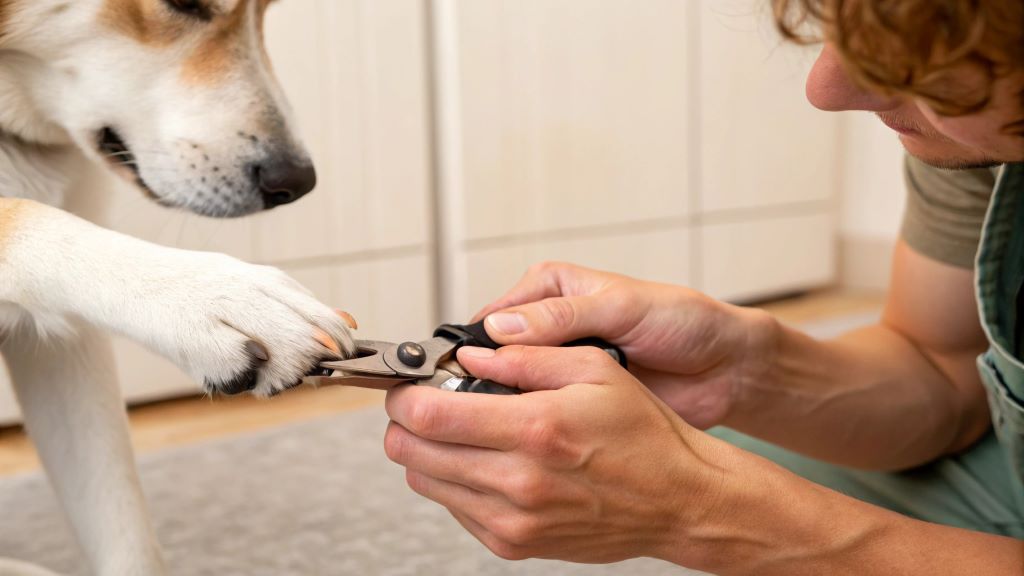
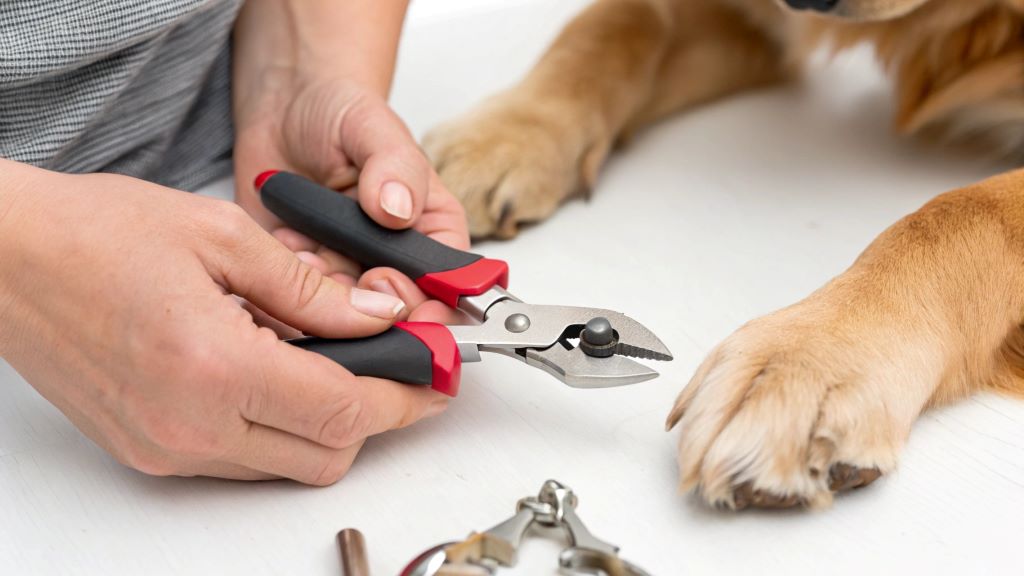
Picture this: I’m kneeling on the floor, my golden retriever, Max, squirming as I try to trim his nails. The clippers, once sharp, now crush instead of cut, leaving his nails jagged. Frustrated, I realized dull clippers weren’t just annoying—they could hurt Max. According to the American Kennel Club, regular nail trimming prevents pain and injury in dogs, yet dull tools make it risky. Sharpening dog nail clippers is a simple, cost-effective solution that ensures your pet’s safety and comfort. How to Sharpen Dull Dog Nail Clippers: A Step-by-Step Guide shares actionable steps to restore your clippers’ edge, blending my personal experience with expert tips.
By the end, you’ll confidently sharpen your tools and keep your furry friend happy. Let’s dive in!
How to Sharpen Dull Dog Nail Clippers: Why Sharp Clippers Matter for Your Dog’s Safety
Dull clippers are more than an inconvenience—they pose risks. When blades are blunt, they crush nails instead of slicing cleanly, causing pain or splitting. The ASPCA notes that improper nail trimming can lead to infections or mobility issues in dogs. Sharp clippers ensure precise cuts, reducing stress for you and your pet. Additionally, well-maintained tools save money by extending their lifespan. My own experience with Max taught me this.
After struggling with dull clippers, I learned sharpening them not only made trimming easier but also kept Max calm. Regular maintenance also prevents rust, which can harbor bacteria. Investing a few minutes in sharpening can prevent vet visits and ensure your dog’s paws stay healthy. Let’s explore how to identify dull clippers next.
Signs Your Dog Nail Clippers Need Sharpening
How do you know your clippers are dull? Look for clear indicators. If trimming feels like squeezing rather than cutting, or if nails appear frayed post-trim, your blades need attention. Other signs include increased resistance during cuts or visible nicks on the blades. According to a 2023 study by PetMD, 68% of pet owners overlook clipper maintenance, leading to ineffective grooming. I ignored these signs with Max’s clippers until his nails started splintering, which was a wake-up call. Check your clippers monthly, especially if you trim frequently.
Rust or blade misalignment also signals it’s time to sharpen. Recognizing these signs early prevents discomfort for your dog and saves you from buying new tools. Now, let’s gather the tools needed for sharpening.
Tools You’ll Need to Sharpen Dog Nail Clippers
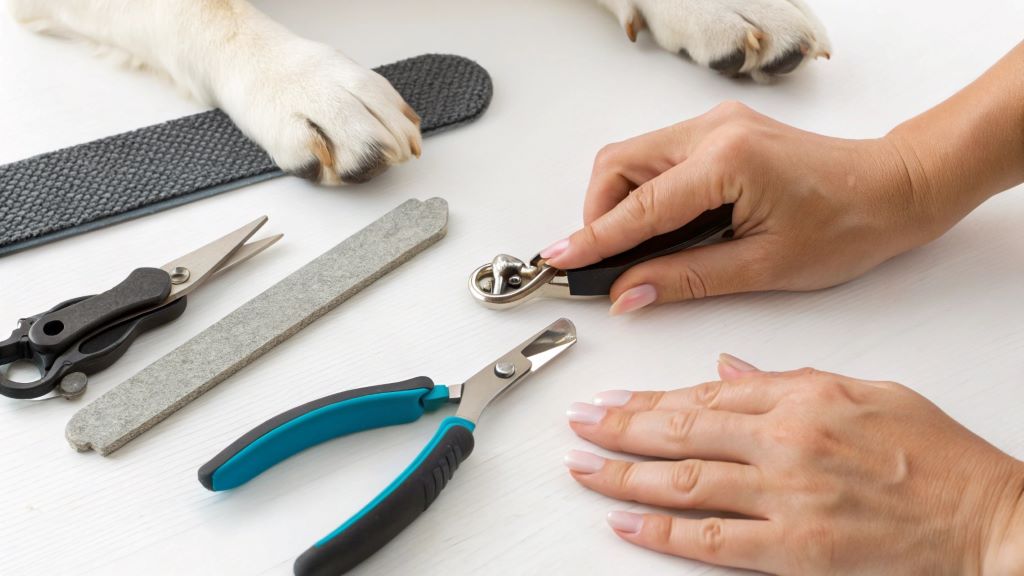
Before sharpening, gather the right supplies. You don’t need fancy equipment—just a few household items. Here’s what I used to restore Max’s clippers:
- Sharpening stone (whetstone): A medium-grit (1000) stone works well for most clippers.
- Sandpaper (400-600 grit): Ideal for quick touch-ups or curved blades.
- Screwdriver: To disassemble clippers if needed.
- Lubricating oil: Prevents rust and ensures smooth operation.
- Cleaning cloth: For wiping blades clean.
According to the American Veterinary Medical Association, clean tools reduce infection risks during grooming. I found a basic whetstone at a hardware store for under $10, making this a budget-friendly fix. If your clippers have complex designs, sandpaper offers flexibility for hard-to-reach areas. Ensure all tools are clean to avoid contaminating the blades. With these ready, you’re set to sharpen. Let’s move to the step-by-step process.
Step-by-Step Guide to Sharpening Dog Nail Clippers
Sharpening dog nail clippers is straightforward if you follow these steps. I’ve refined this process through trial and error with Max’s clippers, so you can avoid my mistakes.
- Disassemble the clippers: Use a screwdriver to separate the blades, if possible. This ensures easier access.
- Clean the blades: Wipe with a cloth and soapy water to remove dirt or rust. Dry thoroughly.
- Sharpen with a whetstone: Wet the stone, then glide the blade’s cutting edge at a 20-degree angle. Use smooth, even strokes (10-15 per side).
- Alternatively, use sandpaper: For curved blades, rub sandpaper in circular motions along the edge.
- Test the sharpness: Carefully trim a thin plastic sheet. If it cuts cleanly, you’re done.
- Apply lubricating oil: Add a drop to the blades to prevent rust and ensure smooth cutting.
- Reassemble and store: Put the clippers back together and store in a dry place.
This process took me 15 minutes the first time. Regular sharpening (every 2-3 months) keeps blades effective.
Common Mistakes to Avoid When Sharpening
Sharpening seems simple, but errors can dull blades further or damage clippers. I learned this the hard way when I rushed Max’s clipper maintenance. Avoid these pitfalls:
- Using the wrong angle: Sharpening at an incorrect angle (e.g., too steep) reduces blade effectiveness. Aim for 20 degrees.
- Skipping cleaning: Dirt on blades can scratch them during sharpening, as I discovered with rusty clippers.
- Over-sharpening: Excessive grinding thins blades, shortening their lifespan.
- Ignoring lubrication: Without oil, blades rust quickly, especially in humid areas.
A 2024 Petco grooming survey found 52% of pet owners damage tools due to improper sharpening techniques. Take your time and double-check your work. If you’re unsure about the angle, practice on an old pair of scissors first. Avoiding these mistakes ensures your clippers stay sharp and safe for your dog. Let’s discuss how often to sharpen next.
How Often Should You Sharpen Dog Nail Clippers?
Frequency depends on usage and clipper quality. If you trim your dog’s nails weekly, sharpen every 2-3 months. For monthly trims, every 4-6 months suffices. High-quality clippers, like those from brands recommended by the ASPCA, may need less frequent sharpening. I trim Max’s nails biweekly, so I sharpen quarterly. Over-sharpening can wear blades down, so inspect them regularly for dullness signs. Environmental factors, like humidity, also affect maintenance needs—rusty blades require more frequent care. A 2023 PetMD report suggests 75% of pet owners sharpen too infrequently, risking pet discomfort. Set a calendar reminder to check your clippers’ condition. Consistent maintenance extends tool life and keeps grooming stress-free. Now, let’s explore additional clipper care tips.
Tips for Clipper Maintenance
Beyond sharpening, proper care prolongs clipper life. These habits keep your tools in top shape:
- Store properly: Keep clippers in a dry, dust-free case to prevent rust.
- Clean after each use: Wipe blades with alcohol to kill bacteria.
- Check for wear: Replace clippers if blades are chipped or misaligned.
- Use for dogs only: Human nail clippers or other tasks can dull blades faster.
I started storing Max’s clippers in a sealed container after noticing rust spots. This small change made a big difference. The ASPCA’s grooming guide emphasizes clean tools for pet safety. Regular checks also catch issues early, saving you from costly replacements. These steps ensure your clippers are always ready for action. Let’s wrap up with a conclusion.
Conclusion
Sharpening dull dog nail clippers is a game-changer. My struggles with Max’s nails taught me that a sharp tool makes grooming safer and easier. By following the steps outlined—cleaning, sharpening, and maintaining—you’ll save money and keep your pet comfortable. Regular care prevents the pain and risks of dull blades, as supported by the ASPCA and PetMD. Whether you’re a new pet owner or a seasoned one, these tips empower you to take control of your dog’s grooming routine. Try sharpening your clippers today, and share your experience in the comments below! Have a tip to add? Let’s keep the conversation going—share this article with fellow pet lovers!
FAQs
Why do dog nail clippers get dull so quickly?
Frequent use, improper storage, or cutting hard nails can dull blades. Regular cleaning and sharpening extend their life.
Can I use a knife sharpener for dog clippers?
No, knife sharpeners are too coarse. Use a whetstone or sandpaper for precise, safe sharpening.
How do I know if my clippers are too damaged to sharpen?
If blades are chipped, bent, or heavily rusted, replace them. Minor dullness can usually be fixed.
Is it safe to sharpen clippers at home?
Yes, with proper tools and care, home sharpening is safe. Follow the guide to avoid mistakes.
How can I prevent rust on my clippers?
Store in a dry place, clean after use, and apply lubricating oil to protect against moisture.
Read More: