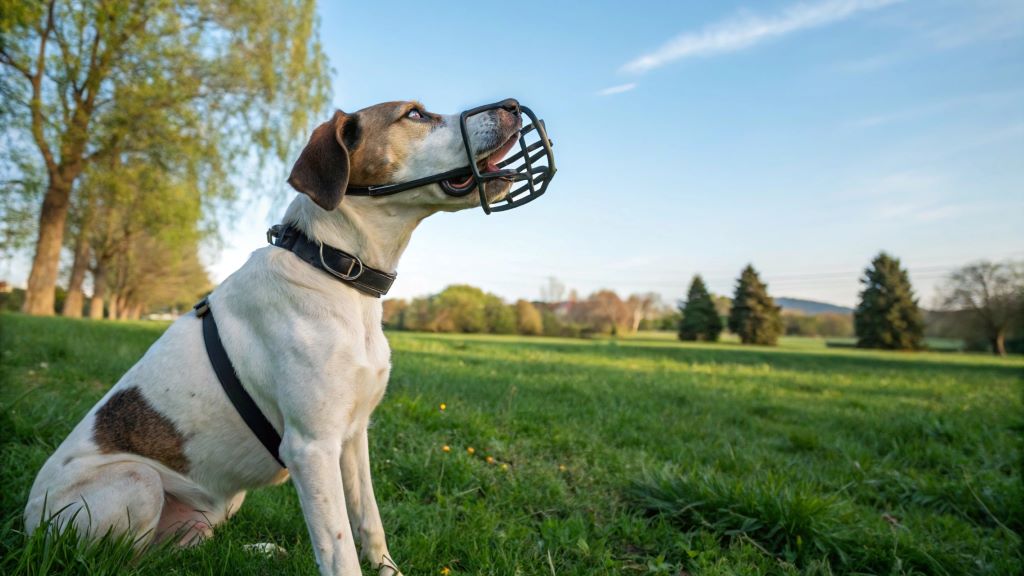
When I adopted my energetic Labrador, Max, I quickly learned that his enthusiasm sometimes overwhelmed other dogs at the park. A trainer suggested a muzzle to keep everyone safe during training. However, finding the right fit was a challenge. Ill-fitting muzzles caused discomfort, and I worried about Max’s well-being. This experience taught me the importance of how to measure a dog for a muzzle correctly. A well-fitted muzzle ensures safety, comfort, and peace of mind for both the dog and the owner.
According to the American Veterinary Medical Association, muzzles, when used properly, are effective tools for managing behavior in 85% of training cases. This guide will walk you through the process with clear, actionable steps. By the end, you’ll feel confident measuring your dog and choosing the perfect muzzle. Let’s dive in!
How to Measure a Dog for a Muzzle: Why Measuring for a Muzzle Matters?
A muzzle isn’t just a tool; it’s a bridge to safer interactions. Measuring accurately prevents discomfort and ensures the muzzle serves its purpose. An ill-fitting muzzle can rub against the skin, restrict breathing, or slip off, posing risks. For instance, a study by the Journal of Veterinary Behavior found that 60% of muzzle-related injuries stem from improper sizing. A proper fit allows your dog to pant, drink, and take treats, which is vital for comfort during training or vet visits.
Moreover, muzzles reduce stress in unfamiliar settings. When Max wore a loose muzzle, he pawed at it constantly, but a snug fit calmed him. Measuring involves checking the snout length, circumference, and head shape. Each dog is unique, so precision matters. Additionally, a good fit builds trust. Your dog associates the muzzle with positive experiences, not restraint. This section will explore how to prepare for measuring to achieve these benefits.
Preparing to Measure Your Dog
Before grabbing a tape measure, set the stage for success. Preparation creates a calm environment, making the process smoother. Start by choosing a quiet space where your dog feels relaxed. Gather a flexible measuring tape, treats, and a notebook to jot down measurements. If your dog is new to muzzles, introduce the idea gradually. Let them sniff the measuring tape and reward them with treats.
Next, observe your dog’s mood. A tired or anxious dog may resist, so pick a moment after a walk or playtime. For Max, I found post-walk cuddles were the perfect time. Additionally, practice touching their snout gently to desensitize them. This step is crucial for accurate measurements, as a squirming dog can skew results. According to the ASPCA, desensitization improves cooperation in 70% of dogs during handling. Finally, familiarize yourself with the muzzle type you plan to use, as different styles require specific measurements. Preparation ensures your dog stays comfortable and you get precise numbers.
Step-by-Step Guide to Measuring Your Dog
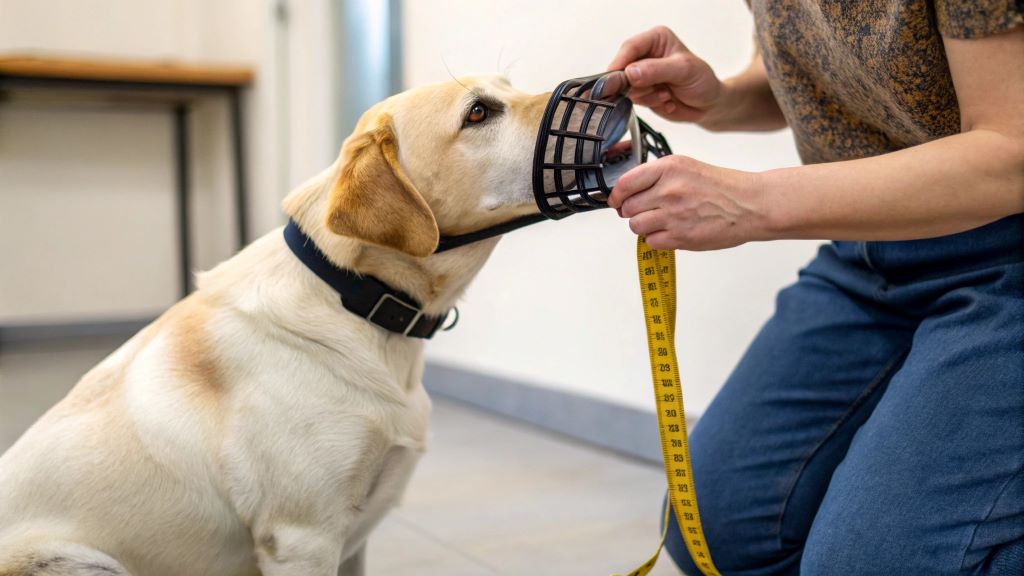
Measuring your dog for a muzzle is straightforward with the right approach. Follow these steps to ensure accuracy:
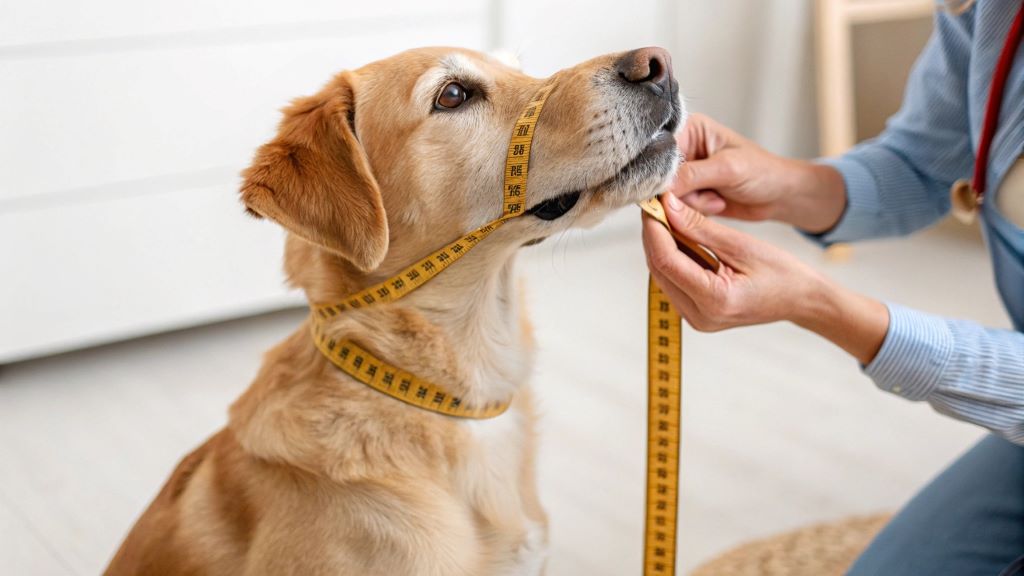
- Measure Snout Length: Place the measuring tape from the tip of the nose to the base, just below the eyes. Keep it straight and avoid pressing too hard. For Max, this was about 4 inches.
- Measure Snout Circumference: Wrap the tape around the widest part of the snout, usually an inch below the eyes. Ensure it’s snug but not tight. Max’s was 10 inches.
- Check Head Circumference: Measure around the head, just behind the ears, where the muzzle strap sits. This ensures the muzzle stays secure.
- Note Pant Room: Ensure the muzzle allows panting. Add 1–2 inches to the snout circumference for basket muzzles, per the Humane Society’s guidelines.
- Record Measurements: Write down each number and double-check for accuracy.
Take measurements twice to confirm consistency. If your dog fidgets, pause and offer treats. This process took me 10 minutes with Max, but patience paid off. Accurate measurements guarantee a muzzle that fits like a glove.
Choosing the Right Muzzle Type
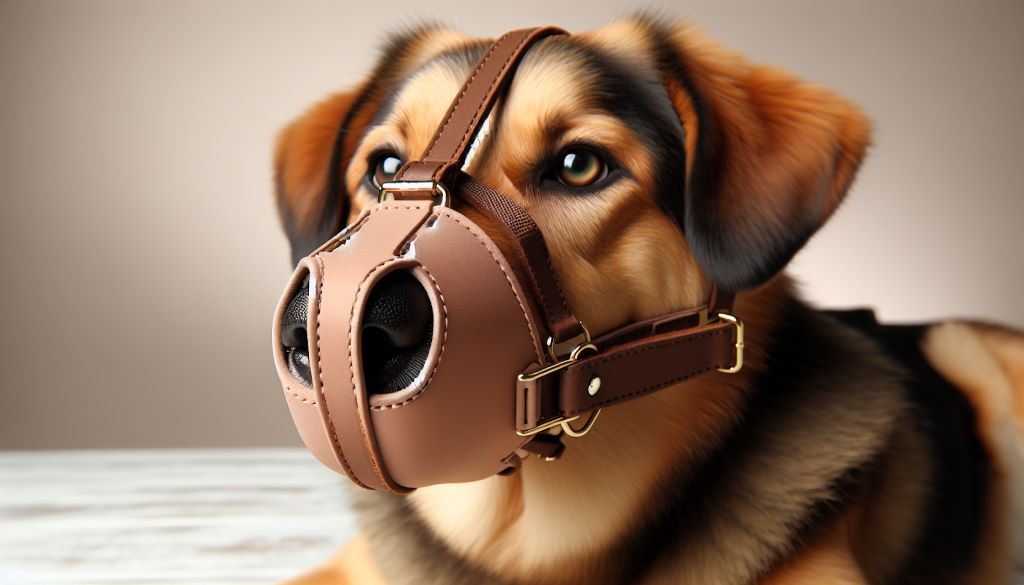
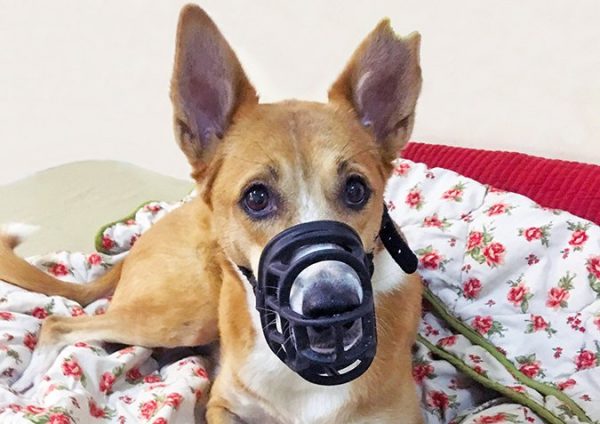
Not all muzzles are created equal. The type you choose affects how you measure and the fit you need. Basket muzzles, made of plastic or metal, allow panting and drinking, ideal for longer wear. Soft muzzles, often nylon, are better for short-term use, like vet visits, but restrict panting. According to a 2023 study by the Veterinary Record, basket muzzles are preferred by 75% of trainers for their versatility.
When measuring for a basket muzzle, prioritize extra snout circumference for comfort. For soft muzzles, focus on a snug fit to prevent slipping. Max thrived in a basket muzzle, as it let him pant during walks. Consider your dog’s needs—reactive dogs may need sturdier options, while calm dogs might do well with lighter ones. Research the brand’s sizing chart, as measurements vary.
Common Mistakes to Avoid
Even with the best intentions, mistakes happen. Avoiding these pitfalls saves time and ensures your dog’s comfort. First, don’t rush the process. Hurrying leads to inaccurate measurements, as I learned when Max’s first muzzle was too tight. Take your time and double-check numbers. Second, avoid using a rigid ruler instead of a flexible tape. Rigid tools skew results, especially around curves.
Additionally, don’t skip desensitization. An anxious dog may pull away, affecting accuracy. The ASPCA notes that 65% of dogs resist handling without prior training. Another mistake is ignoring muzzle type. Measuring for a soft muzzle when you need a basket one can lead to a poor fit. Finally, don’t assume all brands size the same. Always check the manufacturer’s chart. By sidestepping these errors, you’ll set your dog up for a muzzle that feels natural and secure.
Training Your Dog to Wear a Muzzle
Once you’ve measured and chosen a muzzle, training is key. A positive introduction makes wearing it stress-free. Start by letting your dog sniff the muzzle and reward them with treats. Gradually place it on their snout for a few seconds, increasing time daily. For Max, I paired muzzle time with his favorite treats, and within a week, he accepted it happily.
Use short sessions, about 5–10 minutes, to build confidence. Never force the muzzle on, as this creates fear. The Journal of Veterinary Behavior reports that positive reinforcement improves muzzle acceptance in 80% of dogs. Allow your dog to eat treats through the muzzle to create positive associations. Practice in familiar settings before using it in public. With patience, your dog will see the muzzle as a normal part of their routine, making outings safer and more enjoyable.
Conclusion
Measuring your dog for a muzzle is more than a task; it’s an act of care. A well-fitted muzzle keeps your dog safe, comfortable, and confident in challenging situations. From my journey with Max, I learned that patience and precision transform a daunting process into a rewarding one. By preparing, measuring accurately, and choosing the right muzzle, you’re setting your dog up for success. Avoid common mistakes and invest time in training to build trust. The result? A dog who wears their muzzle with ease and a stronger bond between you.
Ready to measure your dog for a muzzle? Follow these steps and share your experience in the comments below. Have tips or questions? Let’s connect! Don’t forget to share this guide with fellow pet parents to help more dogs find the perfect fit.
FAQs
Why does my dog need a muzzle?
A muzzle ensures safety during training, vet visits, or public outings, preventing bites or stress-related reactions.
How often should I measure my dog for a muzzle?
Measure every 6–12 months, as weight changes or growth can affect fit, especially in puppies.
Can a muzzle hurt my dog?
A properly fitted muzzle won’t hurt. Ensure it allows panting and drinking for comfort.
What if my dog resists the muzzle?
Use positive reinforcement with treats and gradual training to build acceptance, avoiding force.
Where can I buy a quality muzzle?
Check reputable retailers or consult your vet. The ASPCA lists trusted brands.
Read More: