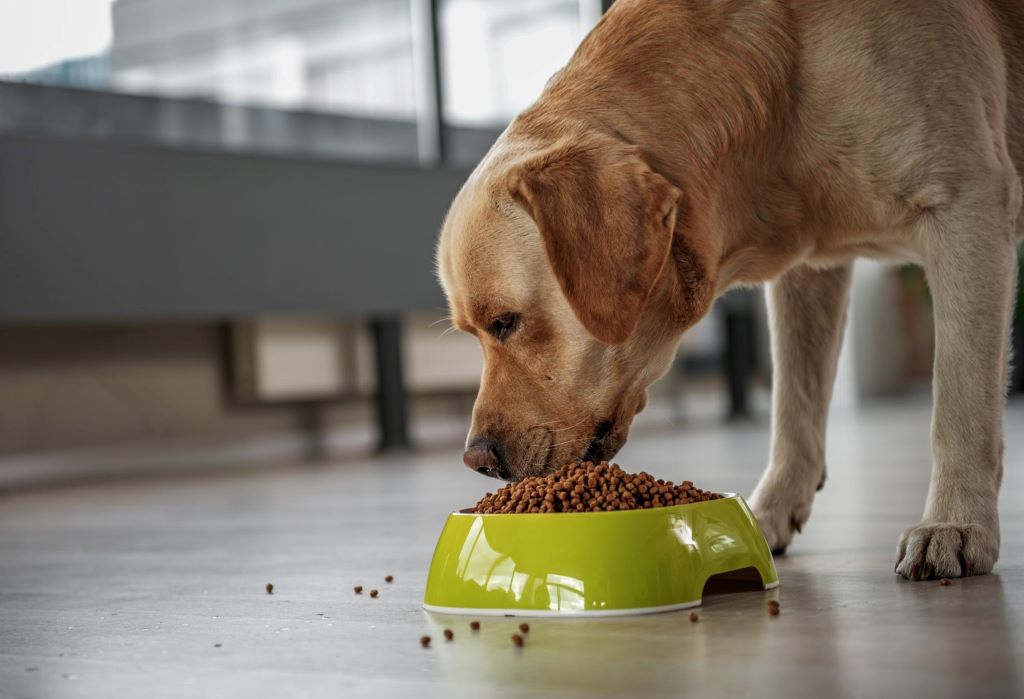
As your loyal furry friend ages, their nutritional needs change. Just like humans, senior dogs require a tailored diet that supports their aging bodies, promotes joint health, and keeps them energized without unnecessary weight gain. But not all dog foods are created equal—especially for small breed senior dogs.
In this comprehensive guide, we’ll explore what makes small breed senior dog food unique, what to look for when buying it, and how to ensure your aging pup lives their golden years in vibrant health. If you’re a caring pet parent searching for the best dog food for older small breeds, you’re in the right place.
Why Nutrition Matters More in Senior Dogs
A dog is considered a senior around age 7, though for small breeds, the senior stage often starts closer to age 8 or 9. These pups live longer lives than their larger counterparts, but with age comes changes in metabolism, muscle mass, immune function, and joint health.
For small breeds like Chihuahuas, Shih Tzus, or Miniature Schnauzers, senior dog food needs to balance reduced calories with high-quality nutrients to support:
- Joint health
- Digestive health
- Cognitive function
- Heart and kidney function
- Weight management
This is why switching to a formulated senior dog food for small breeds can make a massive difference in your dog’s longevity and quality of life.
Key Differences in Small Breed Senior Dog Food
1. Smaller Kibble Size
Small dogs have smaller mouths and teeth. Senior formulas for small breeds come with bite-sized kibble that is easier to chew—especially for dogs with dental issues.
2. Higher Caloric Density
Despite their small size, small breeds often have faster metabolisms than larger dogs. Senior small breed dog food is designed to provide enough energy in smaller portions, without overloading them with calories.
3. Joint Support Ingredients
Look for foods rich in glucosamine and chondroitin, which support aging joints and reduce arthritis discomfort—common in older dogs.
4. Easily Digestible Ingredients
Senior dogs may experience digestive sensitivity. Premium senior dog foods use high-quality protein (like chicken or salmon), digestible carbohydrates, and added probiotics.
5. Cognitive Support
Some senior dog foods now include omega-3 fatty acids, especially DHA, to support brain function and memory.
Best Ingredients to Look for in Small Breed Senior Dog Food
When comparing products, turn the bag over and read the ingredients list. Here are some of the top ingredients to look for:
- Real animal protein (chicken, turkey, lamb, salmon)
- Whole grains (brown rice, oats) or grain-free alternatives (sweet potato, lentils)
- Healthy fats (chicken fat, fish oil, flaxseed)
- Fiber-rich veggies (peas, carrots, pumpkin)
- Joint support (glucosamine, chondroitin)
- Brain boosters (fish oil, DHA)
- Probiotics for gut health
- Antioxidants like blueberries and spinach
Avoid foods with fillers, artificial colors, preservatives, and by-products.
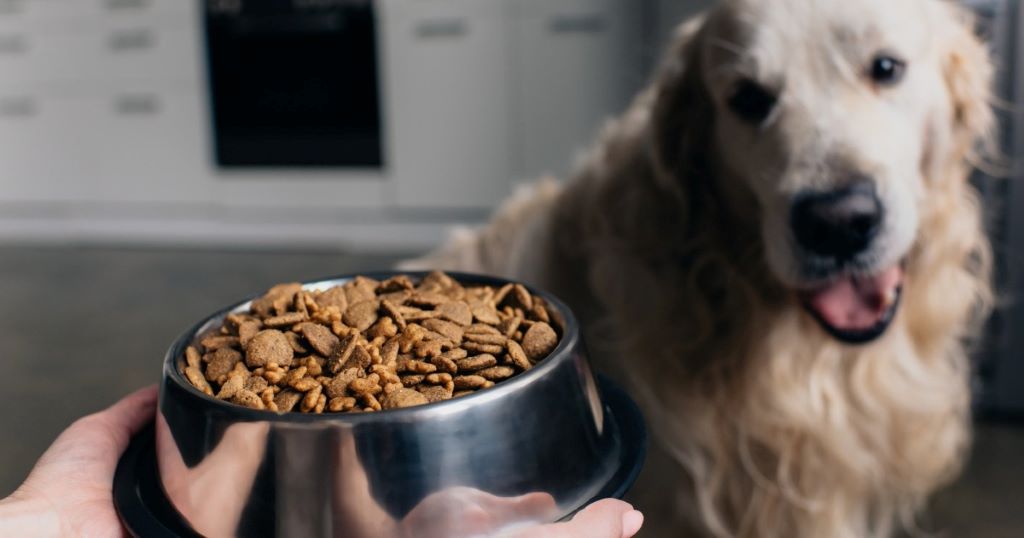
How to Transition to Senior Dog Food
Switching your dog’s food should never be abrupt. Follow this simple 7-day transition plan to avoid digestive upset:
| Day | % New Food | % Old Food |
| 1-2 | 25% | 75% |
| 3-4 | 50% | 50% |
| 5-6 | 75% | 25% |
| 7 | 100% | 0% |
Watch for changes in stool consistency, energy levels, and appetite during the transition.
FAQs About Small Breed Senior Dog Food
Q1: At what age should I switch my small dog to senior food?
Most small breeds benefit from a senior formula around 8 to 10 years old, depending on breed and health status.
Q2: Can I feed regular adult dog food to my senior dog?
You can, but it’s not ideal. Senior dogs have different nutritional requirements. Specialized formulas include joint support, lower calories, and more digestible nutrients.
Q3: Should senior dogs eat wet or dry food?
Both can work. Dry food is better for dental health, while wet food can be more palatable and hydrating. A mix can offer the best of both worlds.
Q4: How often should I feed my senior small breed dog?
Two meals a day is standard, but consult your vet for your dog’s specific needs, especially if they have health issues.
Q5: Is grain-free senior dog food better?
Not necessarily. Unless your dog has a grain allergy, whole grains are a healthy source of energy and fiber. Focus more on ingredient quality than grain status.
Signs Your Dog May Need Senior Dog Food
Not sure if it’s time to switch? Watch for these signs:
- Slower activity levels
- Weight gain or loss
- Trouble chewing or less interest in food
- Cloudy eyes or hearing loss
- Stiffness, limping, or trouble standing
- More frequent digestive upset
A vet check-up can confirm whether a senior formula is right for your pup.
Top-Rated Brands for Small Breed Senior Dogs (2025)
Here are a few vet-recommended and user-approved brands:
1. Wellness Complete Health Small Breed Senior
- Chicken & brown rice formula
- Includes glucosamine, taurine, and omega fatty acids
2. Blue Buffalo Life Protection Formula Small Breed Senior
- Deboned chicken
- L-carnitine for weight management
- LifeSource Bits (vitamins, minerals, antioxidants)
3. Hill’s Science Diet Adult 7+ Small Bites
- Easy to digest
- Vet-recommended
- Antioxidant blend for immune support
4. Nutro Ultra Small Breed Senior
- Trio of lean proteins: chicken, lamb, and salmon
- No artificial ingredients
5. Merrick Lil’ Plates Senior
- Grain-free
- Glucosamine & chondroitin
- Excellent for picky eaters
Note: Always consult with your vet before choosing a brand or formula.
Common Mistakes to Avoid
❌ Overfeeding
Small breeds can easily become overweight. Use a measuring cup and stick to daily caloric guidelines based on weight.
❌ Ignoring Dental Health
Older dogs often suffer from dental disease. Choose kibble that helps clean teeth, and consider dental treats.
❌ Skipping Vet Checkups
Annual or semi-annual vet visits can catch early signs of kidney disease, diabetes, or arthritis—conditions influenced by diet.
Final Thoughts: Your Dog Deserves the Best in Their Golden Years
Feeding your dog high-quality small breed senior dog food is one of the best gifts you can give your aging companion. It’s not just about filling their bowl—it’s about enhancing their life, one nutritious bite at a time.
From joint support to improved digestion and cognitive health, a thoughtfully selected senior formula can help your pup stay active, happy, and pain-free.
✅ Ready to Make the Switch?
Visit your local pet store or browse trusted online retailers to explore top-rated small breed senior dog foods today. Before purchasing, check the label, compare ingredients, and consult your veterinarian for personalized recommendations.
📩 Have questions or want to share your dog’s transformation story? Drop a comment below or subscribe to our newsletter for more pet wellness tips!
Read More:
Understanding Prescription Dog Food