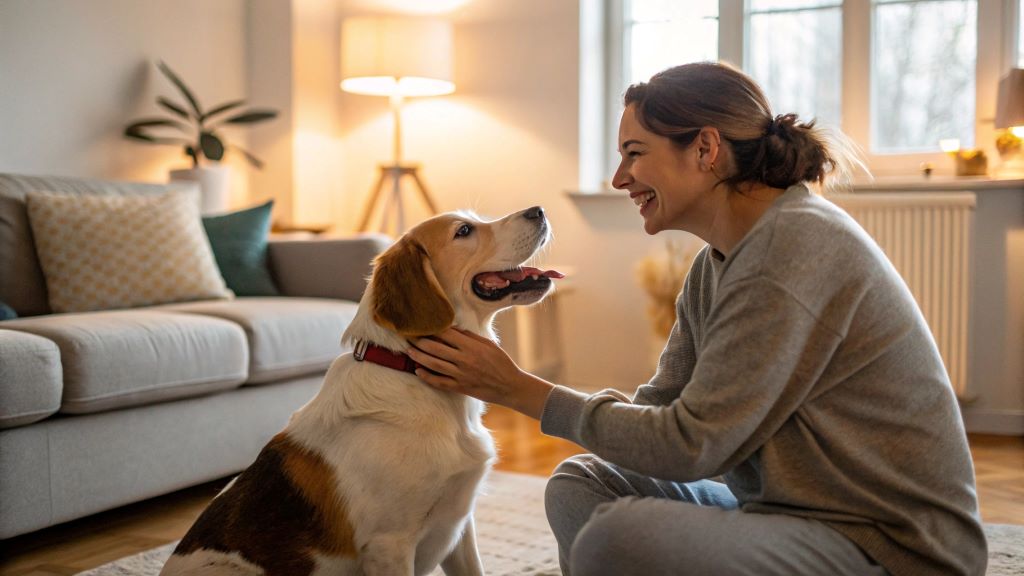
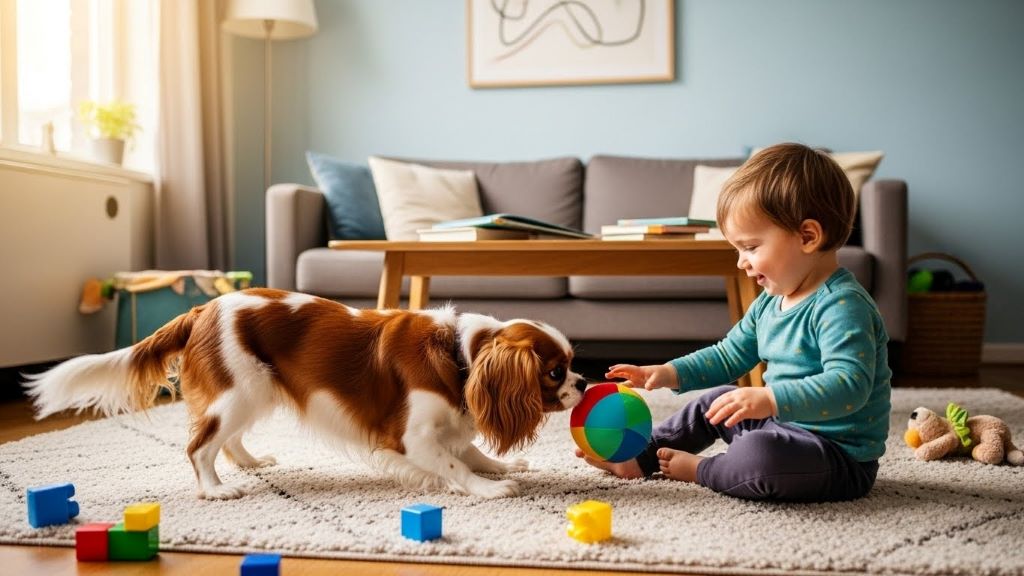
Finding the ideal family dogs for your family can feel overwhelming, especially when you live in a small apartment and have young children. However, many dog breeds thrive in compact spaces and form wonderful bonds with toddlers. The key is choosing a breed that matches your lifestyle, space limitations, and energy levels.
Understanding What Makes a Dog Suitable for Apartment Living
Not all dogs need sprawling yards to be happy. In fact, some breeds prefer cozy indoor environments. When selecting a dog for apartment life, size matters less than temperament and energy levels. Additionally, consider factors like barking tendencies, grooming needs, and exercise requirements.
Small apartments require dogs that can adapt to limited space without becoming anxious or destructive. Therefore, look for breeds known for their calm demeanor and moderate exercise needs. Furthermore, toddler-friendly dogs should demonstrate patience, gentle behavior, and tolerance for unpredictable movements and noises.
Top Dog Breeds for Small Apartments with Toddlers
Cavalier King Charles Spaniel
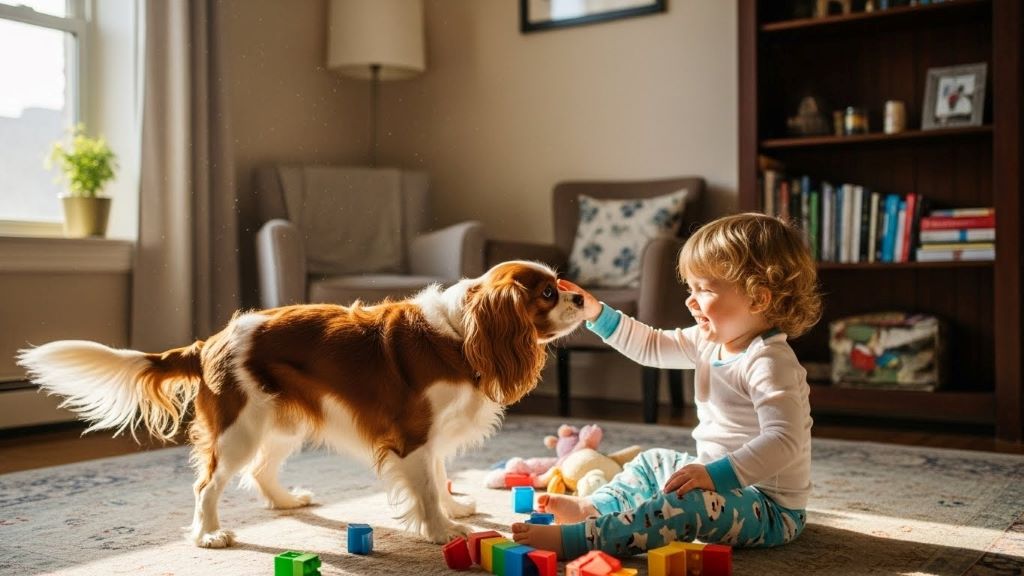
The Cavalier King Charles Spaniel ranks among the best family dogs for apartment living. These gentle, affectionate dogs typically weigh between 13 and 18 pounds, making them perfectly sized for smaller homes. Moreover, they possess a naturally patient temperament that works wonderfully with young children.
Cavaliers require moderate exercise, usually satisfied with short daily walks and indoor playtime. Their adaptable nature means they adjust easily to apartment routines. However, they do need regular grooming to maintain their silky coats. These dogs thrive on companionship and rarely display aggressive behavior toward children.
French Bulldog
French Bulldogs have become increasingly popular among urban families, and for good reason. These compact, muscular dogs weigh around 16 to 28 pounds and possess charming, playful personalities. They adapt exceptionally well to apartment living because they require minimal exercise and rarely bark excessively.
Additionally, French Bulldogs form strong bonds with children and tolerate their energetic antics with remarkable patience. Their sturdy build means they can handle gentle roughhousing from toddlers. However, owners should monitor playtime to ensure both dog and child remain safe. According to the American Kennel Club, French Bulldogs consistently rank among the most popular breeds in the United States.
Bichon Frise
The Bichon Frise offers families a cheerful, hypoallergenic option for apartment living. These small dogs typically weigh 12 to 18 pounds and feature fluffy white coats that produce minimal shedding. Their playful yet gentle nature makes them excellent companions for toddlers.
Bichons possess moderate energy levels and can meet their exercise needs through indoor play and short walks. Furthermore, they demonstrate remarkable patience and rarely show aggression. These dogs love being part of family activities and adapt well to various living situations. However, their coats require regular professional grooming to prevent matting.
Pug
Pugs bring personality and charm to any household, regardless of size. These compact dogs weigh between 14 and 18 pounds and possess distinctive wrinkled faces that families adore. Their laid-back temperament makes them ideal for apartment living, as they require minimal exercise and prefer lounging over lengthy outdoor activities.
Moreover, Pugs exhibit exceptional tolerance toward children and enjoy participating in family life. They rarely display territorial behavior and generally get along well with other pets. However, owners should note that Pugs can experience breathing difficulties due to their flat faces, requiring careful monitoring during hot weather or strenuous activity.
Cocker Spaniel
Cocker Spaniels represent a slightly larger option, weighing between 20 and 30 pounds. Despite their size, they adapt remarkably well to apartment living when provided with adequate exercise. These dogs possess gentle, friendly temperaments that make them wonderful playmates for toddlers.
Additionally, Cocker Spaniels demonstrate loyalty and patience with children. They enjoy interactive play and respond well to training. Therefore, families can easily teach them appropriate behavior around young children. Their exercise needs can typically be met through daily walks and indoor play sessions.
Essential Considerations Before Bringing a Dog Home
Space Management and Safety
Living in a small apartment requires strategic planning when introducing a dog to your home. Create designated spaces for your dog’s bed, food bowls, and toys. Additionally, establish boundaries that keep both toddlers and dogs safe. Baby gates can help separate spaces when supervision isn’t possible.
Furthermore, remove potential hazards that could harm either your child or pet. Small toys, electrical cords, and toxic plants should be kept out of reach. Creating a safe environment benefits everyone in your household.
Training and Socialization
Proper training becomes even more critical in apartment settings. Dogs must learn basic commands like sit, stay, and quiet to prevent disturbing neighbors. Moreover, early socialization helps dogs become comfortable around children and various situations.
Consistency in training creates well-behaved pets that coexist peacefully with toddlers. Therefore, invest time in positive reinforcement training methods. Professional trainers can provide valuable guidance for families new to dog ownership.
Exercise and Mental Stimulation
Even apartment-friendly breeds require daily exercise and mental engagement. Short walks, indoor play sessions, and puzzle toys help prevent boredom and destructive behavior. Additionally, tired dogs typically behave better around energetic toddlers.
Create a routine that incorporates exercise into your daily schedule. However, remember that toddlers and dogs both need supervision during playtime. Never leave young children alone with pets, regardless of the dog’s temperament.
Grooming and Maintenance
Different breeds have varying grooming requirements. Some need professional grooming every few months, while others require daily brushing at home. Additionally, all dogs need regular nail trims, teeth cleaning, and veterinary care.
Budget for these ongoing expenses when choosing a dog breed. Furthermore, establish grooming routines early to help your dog become comfortable with handling. This practice also teaches toddlers how to interact gently with pets.
Building a Successful Dog and Toddler Relationship
Supervision and Boundaries
Always supervise interactions between toddlers and dogs. Young children don’t understand appropriate boundaries and might accidentally hurt pets through rough handling. Therefore, teach children how to pet dogs gently and respect their space.
Moreover, provide dogs with quiet retreats where they can escape when feeling overwhelmed. This arrangement benefits both pets and children by preventing stressful situations. Additionally, establish rules about not disturbing dogs during meals or sleep.
Teaching Empathy and Responsibility
Having a family dog offers valuable teaching opportunities for toddlers. Children learn empathy, responsibility, and respect for living creatures through daily interactions. However, parents should maintain primary responsibility for pet care while involving children in age-appropriate tasks.
Simple activities like helping pour food or brushing the dog under supervision teach valuable lessons. Furthermore, these shared experiences strengthen bonds between children and pets. According to Psychology Today, children who grow up with pets often develop stronger emotional intelligence and social skills.
Creating a Dog-Friendly Apartment Environment
Transform your small apartment into a comfortable space for both dogs and toddlers. Use furniture strategically to create distinct areas for different activities. Additionally, choose durable, easy-to-clean materials that withstand daily wear from pets and children.
Storage solutions help minimize clutter and keep dog supplies organized. Moreover, designate a specific area for your dog’s belongings to establish routine and order. These adjustments make apartment living with dogs and toddlers more manageable and enjoyable.
Conclusion
Choosing the right dog for your small apartment and toddler requires careful consideration of breed characteristics, temperament, and lifestyle compatibility. Breeds like Cavalier King Charles Spaniels, French Bulldogs, Bichon Frises, Pugs, and Cocker Spaniels offer excellent options for families in compact living spaces. These dogs combine gentle temperaments with adaptable natures, making them ideal companions for young children.
Success depends on proper preparation, consistent training, and ongoing supervision. Additionally, creating safe environments and establishing clear boundaries benefits everyone in your household. With the right breed choice and commitment to responsible pet ownership, families can enjoy the countless rewards that dogs bring to apartment living. The bond between children and dogs creates lasting memories and valuable life lessons that extend far beyond the toddler years.
Frequently Asked Questions
What size dog is best for a small apartment with toddlers?
Small to medium-sized dogs typically work best in apartments. Breeds weighing between 12 and 30 pounds provide enough sturdiness to handle toddlers while fitting comfortably in limited spaces. However, temperament matters more than size when selecting a family dog.
How much exercise does an apartment dog need daily?
Most apartment-friendly dogs require 30 to 60 minutes of exercise daily. This can include short walks, indoor play sessions, and mental stimulation activities. Additionally, break exercise into multiple shorter sessions throughout the day to accommodate busy family schedules.
Are hypoallergenic dogs better for apartments with children?
Hypoallergenic breeds like Bichon Frises produce less dander and shed minimally, making them suitable for families with allergies. However, no dog is completely hypoallergenic. Therefore, spend time with specific breeds before committing to ensure compatibility with family members’ sensitivities.
Should I adopt a puppy or adult dog for my apartment?
Adult dogs often adapt more easily to apartment living than puppies. They typically have established temperaments and require less intensive training. However, puppies offer the advantage of growing up with your toddler and bonding from an early age. Consider your lifestyle and time availability when making this decision.
How do I prevent my dog from disturbing apartment neighbors?
Training your dog to minimize barking is essential for apartment living. Use positive reinforcement to reward quiet behavior and address excessive barking promptly. Additionally, ensure your dog receives adequate exercise and mental stimulation to prevent boredom-related noise. Inform neighbors about your new pet and provide contact information for any concerns.
Related Topics:
Bedsure Medium Dog Bed – Plush Donut Bed for Dogs & Cats Review
Unleash Ultimate Comfort: Why the Comfort Expression XL Orthopedic Dog Bed Could Revolutionize Your Pup’s Sleep