
When I first adopted my energetic Labrador, Max, his enthusiasm sometimes overwhelmed him during vet visits. One day, a veterinarian gently suggested how to use a muzzle on a dog to keep everyone safe. Initially, I hesitated, worried it might scare Max or seem unkind. However, learning to use a muzzle correctly transformed our experience, making stressful situations manageable and safe. Muzzles, when used properly, are valuable tools for dog owners, ensuring safety without causing distress. This guide shares actionable steps to introduce a muzzle to your dog, blending my personal journey with expert advice.
According to the American Veterinary Medical Association (AVMA), muzzles can prevent bites in high-stress scenarios, protecting both pets and people. Let’s explore how to use a muzzle effectively, ensuring your dog remains comfortable and confident.
How to Use a Muzzle on a Dog: Why Use a Muzzle? Understanding Its Purpose
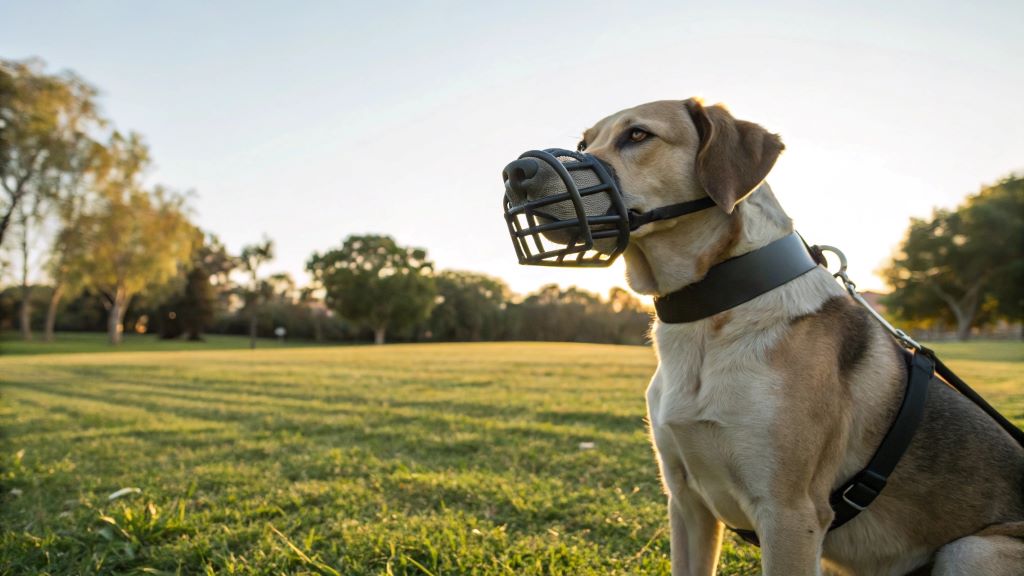
Muzzles often carry a stigma, but they’re not about punishment. Instead, they’re safety tools for specific situations, like vet visits, grooming, or encounters with unfamiliar dogs. For instance, a 2020 study by the Journal of Veterinary Behavior found that 14% of dogs show stress-related aggression during vet exams, making muzzles a practical solution. They also protect dogs from eating harmful objects during walks, a concern for curious pups like Max, who once tried to gobble a discarded sandwich. Muzzles come in various types, such as basket muzzles, which allow panting and drinking, or soft muzzles for short-term use.
Choosing the right one depends on your dog’s needs and the situation. Importantly, muzzles don’t address underlying behavioral issues, so pairing them with training is key. By understanding their purpose, you can approach muzzling with confidence, ensuring your dog’s safety and comfort.
Choosing the Right Muzzle for Your Dog
Selecting a muzzle is like picking the perfect collar—it must fit well and suit your dog’s lifestyle. Basket muzzles, made of plastic or metal, are ideal for longer wear, allowing dogs to pant, drink, and take treats. Soft muzzles, often nylon, are better for brief periods, like vet visits, but restrict panting, so use them sparingly. Measure your dog’s snout length and circumference to ensure a snug, comfortable fit. For example, Max’s basket muzzle fits loosely enough for him to open his mouth but securely enough to stay in place.
The AVMA recommends checking for chafing or discomfort during initial use. Additionally, consider your dog’s temperament. An anxious dog may need a lightweight, breathable muzzle, while a high-energy dog might require a sturdier design. Visit reputable sites like the ASPCA for sizing guides. A well-fitted muzzle sets the stage for successful training, making the process smoother for you and your dog.
Step-by-Step Guide to Muzzle Training
Introducing a muzzle requires patience and positive reinforcement. Here’s how to make it a stress-free experience:
- Show the Muzzle: Let your dog sniff the muzzle, rewarding them with treats. Max loved this step, associating the muzzle with his favorite biscuits.
- Place Treats Inside: Hold the muzzle and let your dog reach in for a treat, building a positive connection. Repeat daily for a week.
- Secure Briefly: Fasten the muzzle for a few seconds while feeding treats, then remove it. Gradually increase the time.
- Extend Wear Time: Have your dog wear the muzzle during short, fun activities, like a walk, to normalize it.
- Monitor Comfort: Check for rubbing or distress, adjusting the fit as needed.
This process, often called desensitization, can take weeks, but rushing risks fear or resistance. A 2018 study in Applied Animal Behaviour Science noted that gradual training reduces stress in dogs by 30% compared to abrupt introductions. Consistency and treats were key for Max, who now wears his muzzle confidently during vet visits.
Common Mistakes to Avoid When Using a Muzzle
Even with good intentions, mistakes can hinder muzzle training. First, never use a muzzle as punishment—it should be a positive tool, not a source of fear. For Max, I once left the muzzle on too long during a hot day, causing discomfort. Muzzles shouldn’t be worn for extended periods, especially soft ones, as they restrict panting. The AVMA advises limiting soft muzzle use to 15 minutes. Another error is choosing an ill-fitting muzzle, which can rub or restrict breathing. Additionally, don’t rely solely on a muzzle to manage aggression; consult a trainer for underlying issues.
Finally, avoid forcing the muzzle on a stressed dog, as this can worsen anxiety. Instead, pause and revisit earlier training steps. By sidestepping these pitfalls, you ensure muzzling remains a safe, effective solution for your dog’s needs, fostering trust and cooperation.
When to Use a Muzzle: Practical Scenarios
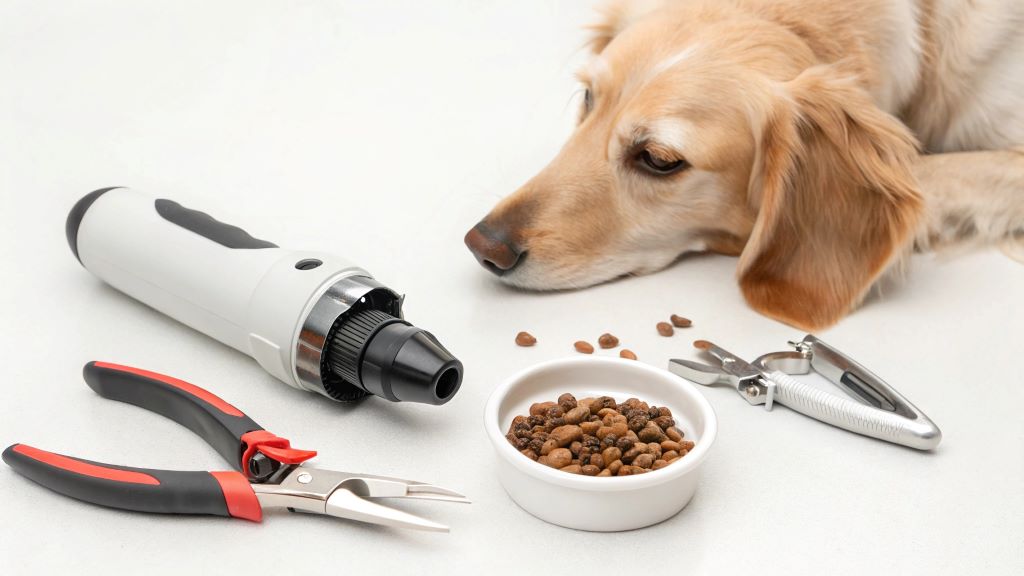
Muzzles shine in situations where safety is paramount. Vet visits are a prime example—dogs like Max can become anxious, and a muzzle prevents nips without adding stress. Grooming sessions, especially nail trims, are another scenario, as even calm dogs may react. Public spaces, like crowded parks, benefit from muzzles if your dog is reactive or recovering from trauma. For instance, during Max’s early days, his excitement around strangers prompted brief muzzle use until training progressed. Muzzles also help during emergencies, such as evacuations, where stressed dogs may act unpredictably.
According to the Humane Society, muzzles are recommended for dogs with a history of biting, even if rare. However, muzzles aren’t a fix-all. Pair them with behavior training for long-term solutions, ensuring your dog feels secure in challenging environments.
Maintaining Your Dog’s Comfort and Confidence
A muzzle should never cause distress. Regularly check for signs of discomfort, like redness or reluctance to wear it. Clean the muzzle weekly to prevent bacteria buildup, especially after treat-heavy training. For Max, I noticed he was more relaxed when I paired muzzle time with his favorite walks, reinforcing positive associations. Additionally, keep training sessions short—10 to 15 minutes—to avoid frustration. If your dog seems stressed, backtrack to earlier steps, using extra treats or praise. Monitor weather conditions, as muzzles can overheat dogs in summer.
The Journal of Veterinary Behavior suggests that dogs wearing muzzles in hot climates need frequent water breaks. Finally, celebrate small wins. When Max first wore his muzzle for a full vet visit without fuss, I rewarded him with extra playtime. These efforts ensure your dog views the muzzle as a normal, non-threatening part of life.
Conclusion
Using a muzzle on your dog isn’t about control—it’s about trust, safety, and understanding. My journey with Max taught me that with patience, a muzzle can turn stressful moments into manageable ones, strengthening our bond. By choosing the right muzzle, training gradually, and avoiding common mistakes, you can ensure your dog feels secure and comfortable. Muzzles aren’t a sign of failure but a tool to protect your pet and those around them.
Start small, stay consistent, and celebrate progress. Your dog’s confidence will grow, and you’ll both navigate challenges with ease. Have questions or tips about muzzle training? Share them in the comments or spread this guide to help other pet owners. Let’s create safer, happier experiences for our furry friends together.
FAQs
Why does my dog need a muzzle?
A muzzle ensures safety during stressful situations like vet visits or grooming, preventing bites or eating harmful objects.
How long should my dog wear a muzzle?
Basket muzzles can be worn for up to an hour, but soft muzzles should be limited to 15 minutes to allow panting.
Can a muzzle hurt my dog?
A properly fitted muzzle won’t hurt, but check for chafing and ensure it allows panting and drinking.
How do I know if the muzzle fits correctly?
The muzzle should be snug but allow your dog to open their mouth, pant, and drink water comfortably.
Can I use a muzzle to stop barking?
No, muzzles don’t address barking. Consult a trainer to tackle barking through behavior modification techniques.
Read More:
How to measure a dog for a muzzle
The Ultimate Guide to Leather Dog Muzzles: Comfort, Durability, and Safety