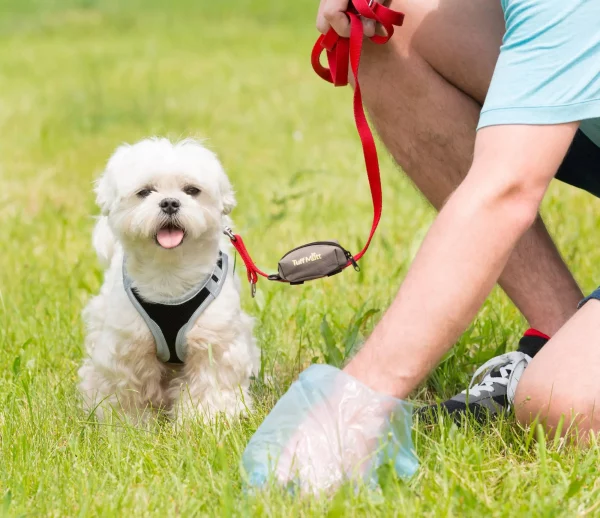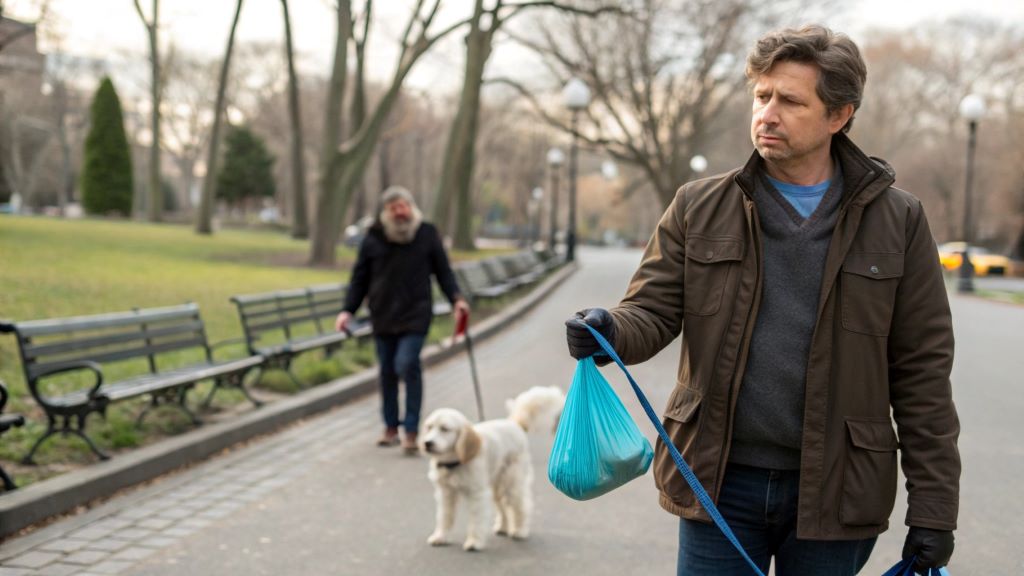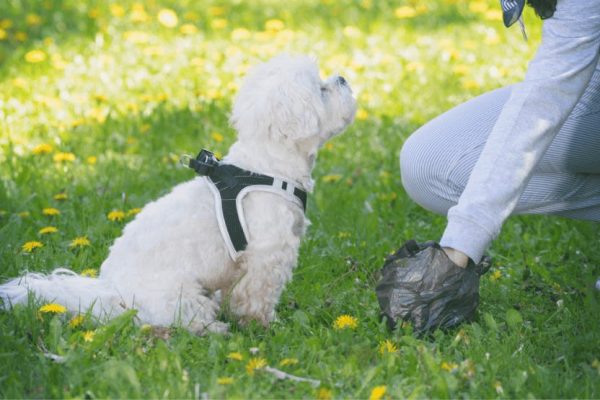
Last summer, I took my golden retriever, Max, for a walk in our humid neighborhood. The air was thick, and my dog poop bags stuck together in their dispenser, turning a simple cleanup into a frustrating ordeal. Many pet owners face this issue in humid weather, where moisture can ruin bags, making them hard to use or even unusable. According to the National Weather Service, humidity levels above 60% can affect everyday items, including pet supplies.
Storing dog poop bags properly in such conditions is crucial for convenience and hygiene. This blog post shares a personal journey and practical tips to keep your poop bags functional, no matter how muggy it gets. Let’s dive into actionable solutions to tackle this sticky problem.
How to Store Dog Poop Bags in Humid Weather: Why Humidity Affects Dog Poop Bags
Humidity refers to the amount of moisture in the air, and it can wreak havoc on dog poop bags. Most bags are made of thin plastic, which absorbs moisture easily. When exposed to high humidity, bags can clump, tear, or become sticky, making them difficult to separate. A 2021 study by the American Chemical Society noted that polyethylene, a common material in plastic bags, degrades faster in humid environments. This degradation weakens the bags, leading to tears during use. Additionally, moisture can encourage mold or bacterial growth if bags are stored improperly, posing health risks.
My experience with Max taught me that leaving bags in an open dispenser on humid days was a recipe for disaster. Understanding these effects is the first step to finding effective storage solutions. Let’s explore how to choose the right bags to combat humidity’s challenges.
Choosing the Right Dog Poop Bags for Humid Weather
Not all dog poop bags are created equal, especially in humid conditions. Selecting the right bags can make a significant difference. Look for bags designed to withstand moisture. Here are key factors to consider:
- Material: Opt for biodegradable bags with moisture-resistant coatings. These are less likely to degrade.
- Thickness: Choose bags with a higher mil thickness (at least 0.9 mil) for durability.
- Sealed Packaging: Buy bags in airtight packs to protect them before use.
For example, brands like Earth Rated offer bags with enhanced durability for humid climates. In my case, switching to thicker, biodegradable bags reduced sticking issues during Max’s walks. Additionally, check for certifications like ASTM D6400, ensuring the bags are eco-friendly yet robust. Investing in quality bags sets the foundation for proper storage. Next, let’s discuss how to store these bags effectively to maintain their usability.
Best Storage Practices for Dog Poop Bags
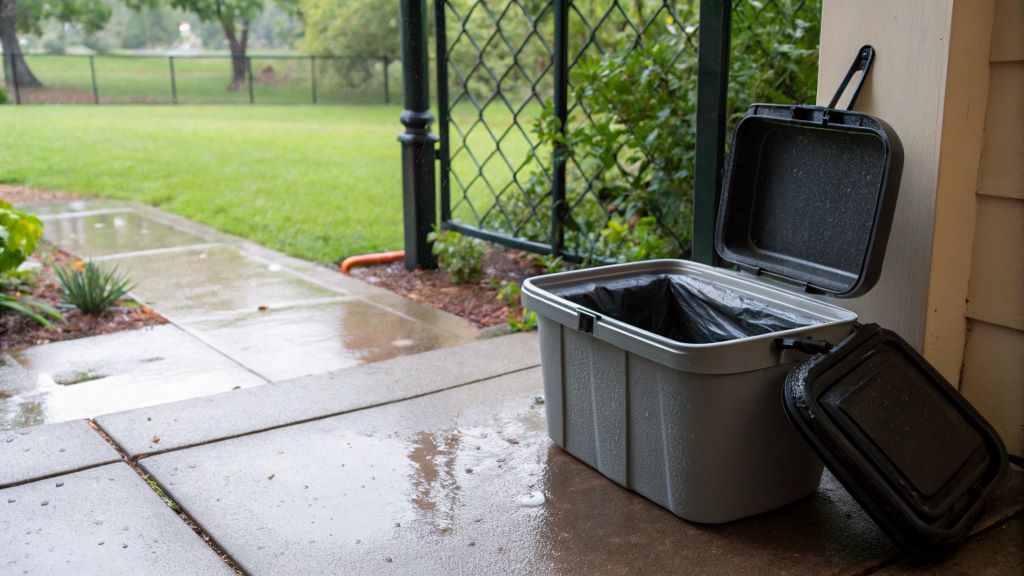
Proper storage is critical to keeping dog poop bags functional in humid weather. Moisture can seep into poorly stored bags, ruining entire rolls. Here are practical storage tips:
- Use Airtight Containers: Store bags in sealed plastic or metal containers to block moisture. I use a small Tupperware container for Max’s bags.
- Add Desiccants: Place silica gel packets in the container to absorb excess moisture. These are inexpensive and reusable.
- Keep Bags Indoors: Store bags in a cool, dry place, like a pantry, away from humid areas like bathrooms.
- Avoid Direct Sunlight: UV rays can weaken plastic, so keep bags out of sunny spots.
A 2020 report by the Environmental Protection Agency highlighted that proper storage extends the lifespan of plastic products. Since adopting these practices, I’ve had no issues with sticky or torn bags. Implementing these steps ensures your bags stay ready for action. Now, let’s look at portable storage solutions for walks in humid weather.
Portable Storage Solutions for Walks
When heading out with your dog, portable storage is essential. Humid weather can make dispensers tricky to use if not managed properly. Here’s how to keep bags accessible and functional on the go:
- Waterproof Dispensers: Use dispensers with tight seals to prevent moisture entry. Look for models with rubber gaskets.
- Ziplock Bags: Store extra rolls in small Ziplock bags for added protection during walks.
- Compact Containers: Carry a small, hard-case container for a few bags to avoid dispenser issues.
- Check Before Leaving: Ensure bags are dry before loading them into the dispenser to prevent sticking.
During one particularly muggy walk, my waterproof dispenser saved the day when rain hit unexpectedly. The bags stayed dry and easy to use. For reliable options, check out products from brands like Petmate, known for durable pet accessories. These solutions keep your bags handy and functional, no matter the weather. Let’s explore how to maintain bag quality over time.
Maintaining Bag Quality Over Time
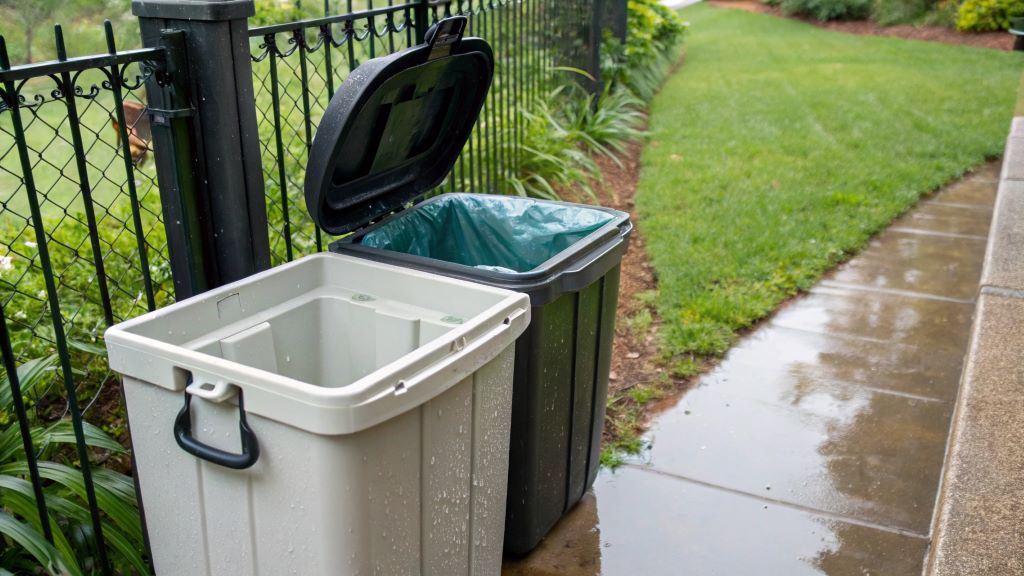
Even with proper storage, dog poop bags can degrade if not maintained. Regular checks and care extend their usability. Here are steps to ensure long-term quality:
- Inspect Regularly: Check bags monthly for stickiness or tears. Discard any compromised rolls.
- Rotate Stock: Use older bags first to avoid expiration issues. Label containers with purchase dates.
- Clean Dispensers: Wipe dispensers with a dry cloth to remove moisture buildup.
- Store Small Batches: Keep only a week’s supply in portable dispensers to minimize exposure.
A 2019 study by the Journal of Polymer Science found that plastic degradation accelerates with prolonged moisture exposure. By rotating my stock and checking bags, I’ve kept Max’s supplies in top shape. These habits prevent waste and ensure you’re never caught without a usable bag. Next, we’ll discuss eco-friendly options for environmentally conscious pet owners.
Eco-Friendly Storage Options
For eco-conscious pet owners, storing dog poop bags sustainably is a priority. Humid weather can complicate this, but there are green solutions. Biodegradable bags are a great start, but storage matters too. Here’s how to store eco-friendly bags:
- Compostable Containers: Use bamboo or recycled plastic containers for storage. These are sustainable and moisture-resistant.
- Natural Desiccants: Opt for charcoal-based desiccants instead of silica gel for an eco-friendly alternative.
- Minimal Packaging: Buy bags in bulk with minimal plastic wrapping to reduce waste.
- Repurpose Items: Reuse household containers, like old coffee tins, for airtight storage.
According to the EPA, sustainable storage practices can reduce household waste by up to 20%. I started using a repurposed tin for Max’s bags, cutting down on plastic use. For more eco-friendly tips, visit the EPA’s sustainability guide. These steps align with environmental goals while keeping bags functional. Let’s wrap up with a strong conclusion.
Conclusion
Storing dog poop bags in humid weather doesn’t have to be a hassle. From choosing durable bags to using airtight containers and portable dispensers, these tips ensure your bags stay usable and hygienic. My struggles with Max’s sticky bags taught me the value of proper storage, and I hope these solutions help you avoid similar frustrations. By implementing these practices, you’ll save time, reduce waste, and make walks more enjoyable. Try these tips today and share your experiences in the comments below. Have a clever storage hack? Let’s hear it! Share this article with fellow pet owners to spread the word. Together, we can tackle humid weather challenges and keep our furry friends’ walks mess-free.
FAQs
How does humidity affect dog poop bags?
Humidity causes bags to stick, tear, or degrade due to moisture absorption, making them hard to use.
What are the best containers for storing dog poop bags?
Airtight plastic or metal containers with desiccants, like Tupperware or tins, work best.
Can I use regular plastic bags in humid weather?
Regular bags are less durable and more prone to sticking; choose thicker, moisture-resistant bags.
How often should I check stored dog poop bags?
Inspect bags monthly for stickiness or tears to ensure they remain usable.
Are eco-friendly poop bags effective in humid conditions?
Yes, biodegradable bags with moisture-resistant coatings perform well if stored properly.
Read More: