Every year, thousands of pets get injured in car accidents simply because they were not properly restrained. According to the American Automobile Association, unrestrained pets can increase driver distraction and risk of injury during sudden stops. At the same time, the Center for Pet Safety reports that many pet travel products fail crash tests. That means choosing the right dog seat belt is not just about comfort, it is about real safety. In this guide, you will learn how to pick the safest option for your dog, what features truly matter, and how to protect your pet on every ride.
Why Dog Seat Belts Matter for Safety
Driving with a loose dog may seem harmless, but it creates serious risks. A sudden brake or minor crash can turn your pet into a dangerous projectile. Not only can your dog get hurt, but passengers can also suffer injuries.
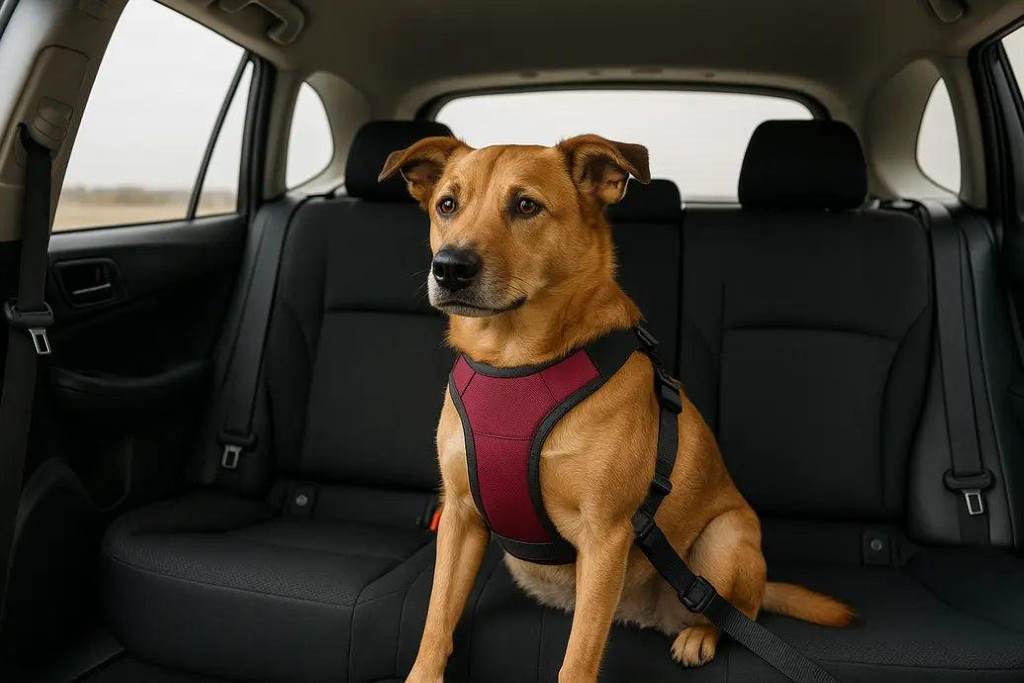
More importantly, restraint systems help reduce driver distraction. When your dog stays secure, you can focus on the road. Studies show that distracted driving is one of the leading causes of accidents in the United States.
In addition, many states are starting to consider pet restraint laws. While not enforced everywhere, responsible pet travel is becoming a standard practice. Using a proper dog seat belt shows care and awareness.
Types of Dog Seat Belts You Should Know
1. Clip In Seat Belt Tethers
These attach directly to your car’s seat belt buckle. They are easy to use and work with most vehicles. However, they are only safe when paired with a strong harness.
2. Harness Based Systems
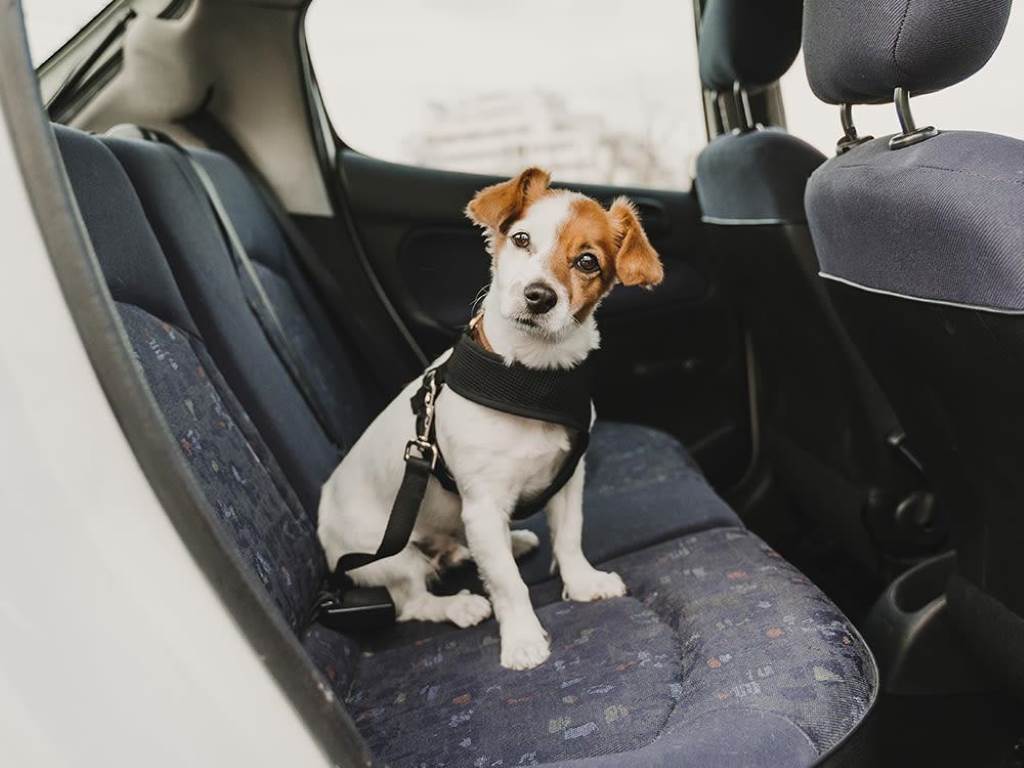
These systems combine a padded harness with a seat belt attachment. They spread force across your dog’s chest instead of the neck. As a result, they offer better protection during impact.
3. Zip Line Restraints
Zip line systems allow more movement by attaching between two points in the car. While they improve comfort, they do not always provide the same level of crash protection.
4. Crate Compatible Belts
Some belts are designed to secure crates. These are ideal for small dogs and long trips. Still, the crate must be crash tested to ensure safety.
Each type has its own purpose. Choosing the right one depends on your dog’s size, behavior, and travel habits.
Key Safety Features to Look For
Crash Tested Certification
Always look for products tested by trusted organizations like the Center for Pet Safety. These tests simulate real crash conditions and show how well a product performs.
Strong Materials
Durable nylon, reinforced stitching, and metal hardware are essential. Weak materials can fail under pressure. Therefore, quality construction is non negotiable.
Secure Attachment Points
A good seat belt should connect firmly to your car system. Avoid flimsy clips or plastic buckles. Metal connectors provide better reliability.
Adjustable Fit
Dogs come in different shapes and sizes. Adjustable straps ensure a snug fit without restricting movement. A proper fit also reduces injury risk.
Padding and Comfort
Comfort matters because your dog will wear the belt for long periods. Soft padding prevents chafing and keeps your pet relaxed.
How to Choose the Right Size and Fit
Choosing the correct size is critical for safety. A loose harness can slip off, while a tight one can cause discomfort or injury.
Start by measuring your dog’s chest and neck. Use a soft measuring tape and follow manufacturer guidelines. Always check size charts carefully because sizes vary across brands.
Next, test the fit at home before traveling. Your dog should be able to sit and lie down comfortably. At the same time, the harness should not rotate or shift easily.
Finally, adjust the straps after a short drive. Dogs may move differently in the car, so small adjustments can improve both comfort and safety.
Common Mistakes to Avoid
Many pet owners unknowingly reduce safety by making simple mistakes. Avoid these common issues:
- Attaching the seat belt to a collar instead of a harness
- Choosing style over safety features
- Ignoring crash test results
- Using worn out or damaged belts
- Allowing too much slack in the restraint
Each of these mistakes can increase injury risk. Paying attention to details can make a big difference.
Best Placement in the Car for Maximum Protection
Where your dog sits matters just as much as the seat belt itself. The back seat is the safest place for pets. Front seats expose dogs to airbag injuries during a crash.
If possible, place your dog in the middle of the back seat. This position offers the most protection from side impacts. However, not all cars support this setup.
For larger dogs, the cargo area of an SUV can work if properly secured. Use barriers and anchors to keep your dog stable.
Consistency also helps. Keeping your dog in the same spot reduces anxiety and improves travel behavior over time.
Training Your Dog to Use a Seat Belt
Introducing a seat belt requires patience. Dogs may resist at first, but gradual training works well.
Start by letting your dog wear the harness indoors. This helps them get used to the feeling. Reward calm behavior with treats and praise.
Next, practice short car rides. Keep trips brief and positive. Over time, increase the duration as your dog becomes comfortable.
Consistency is key. Always use the seat belt during travel. Eventually, your dog will associate it with safe and enjoyable trips.
Real World Example
Consider a medium sized dog involved in a sudden stop scenario. Without restraint, the dog could hit the front seat with significant force. With a crash tested harness, the force spreads across the chest and reduces injury.
Research from the Center for Pet Safety shows that proper restraints can significantly lower the risk of severe injury. This highlights the importance of choosing tested products.
Additional Safety Tips for Pet Travel
To improve safety further, follow these practical tips:
- Keep your dog hydrated during long trips
- Avoid feeding right before travel to prevent motion sickness
- Take regular breaks for exercise and bathroom needs
- Never leave your dog alone in a parked car
- Check equipment regularly for wear and tear
These steps support both safety and comfort during travel.
Conclusion
Choosing the safest dog seat belt is not complicated, but it requires attention to detail. Focus on crash tested products, strong materials, and proper fit. Always use a harness instead of a collar and secure your dog in the back seat. With the right setup, you can protect your pet and make every trip stress free. Start today by reviewing your current setup and upgrading if needed. Your dog’s safety depends on it.
FAQs
What is the safest type of dog seat belt
Harness based systems with crash tested certification offer the best protection. They distribute force evenly and reduce injury risk.
Can I attach a seat belt to my dog’s collar
No, this is unsafe. Collars can cause neck injuries during sudden stops. Always use a harness.
Are dog seat belts required by law in the USA
Laws vary by state. Some areas have rules about pet restraint, but safety should always come first regardless of legal requirements.
How tight should a dog seat belt be
The belt should be snug but not restrictive. Your dog should sit and lie down comfortably without excessive slack.
Can small dogs use regular seat belts
Small dogs need properly sized harnesses or secured crates. Regular belts alone may not provide enough protection.