Why Dog Ear Cleaning Matters
Your dog’s ears are more than just adorable features. They are sensitive organs that need regular care. Without proper cleaning, dogs can develop painful infections, excessive wax buildup, and even hearing loss. Therefore, learning how to clean your dog’s ears safely is one of the most important parts of pet ownership.
Many dog owners feel nervous about cleaning their dog’s ears. However, with the right tools and a calm approach, it becomes a simple routine. Vets recommend regular ear cleaning as a key part of preventive health care. So, let us walk through everything you need to know.
Understanding Your Dog’s Ear Anatomy
Before you begin cleaning, it helps to understand how a dog’s ear works. Unlike human ears, a dog’s ear canal is shaped like an “L.” This shape makes it harder for dirt, moisture, and debris to escape naturally. As a result, dogs are more prone to ear infections than humans.
There are three main parts to a dog’s ear. The outer ear is the visible flap, called the pinna. The middle ear includes the ear canal. The inner ear contains the eardrum and other delicate structures. You should only clean the outer and visible parts of the ear canal. Never push anything deep inside, as this can cause serious damage.
Signs Your Dog Needs an Ear Cleaning
Not every dog needs weekly ear cleaning. However, there are clear signs that your dog’s ears need attention. Watch for the following:
- A dark brown or black discharge inside the ear
- A strong or unpleasant odor coming from the ear
- Frequent head shaking or tilting
- Scratching at the ears or rubbing them on furniture
- Redness or swelling around the ear opening
- Whimpering when the ear is touched
Additionally, if you notice any of these signs along with fever or loss of balance, visit your vet right away. These could be signs of a deeper infection that needs medical treatment.
How Often Should You Clean Your Dog’s Ears?
The frequency of ear cleaning depends on your dog’s breed, lifestyle, and health. Dogs with floppy ears, such as Basset Hounds and Cocker Spaniels, need more frequent cleaning. This is because their ear flaps trap moisture and reduce airflow. Dogs that swim regularly also need their ears checked more often.
On the other hand, dogs with upright ears and less hair in the canal may only need cleaning once a month. Therefore, ask your vet what schedule is right for your specific dog. Over-cleaning can also be harmful, as it may strip the ear of its natural protective oils.
What You Need Before You Start
Gathering your supplies before you begin makes the process much smoother. Here is what you will need:
- A vet-approved ear cleaning solution
- Cotton balls or gauze pads
- A towel or old cloth
- Dog treats for positive reinforcement
- Good lighting
Never use cotton swabs inside the ear canal. They can push debris deeper and damage the eardrum. Additionally, avoid using hydrogen peroxide, alcohol, or homemade solutions unless your vet specifically recommends them. These can irritate the sensitive skin inside your dog’s ear.
Choosing the Right Ear Cleaning Solution
Not all ear cleaning products are the same. Therefore, it is important to choose one that is specifically made for dogs and approved by veterinarians. A good dog ear cleaner should be gentle, pH-balanced, and free from harsh chemicals.
Some solutions are designed to dissolve wax buildup. Others help control bacteria and yeast. Your vet can recommend the best product based on your dog’s ear health history. Avoid any solution that contains alcohol, as this can sting and cause irritation. Additionally, check the label for any ingredients your dog might be allergic to.
Step-by-Step Guide to Cleaning Your Dog’s Ears
Step 1: Get Your Dog Comfortable
Start by choosing a calm, quiet environment. Sit on the floor with your dog beside you or in your lap. Let your dog sniff the cleaning supplies so they feel less anxious. Give a treat before you begin to build a positive association.
Step 2: Inspect the Ear
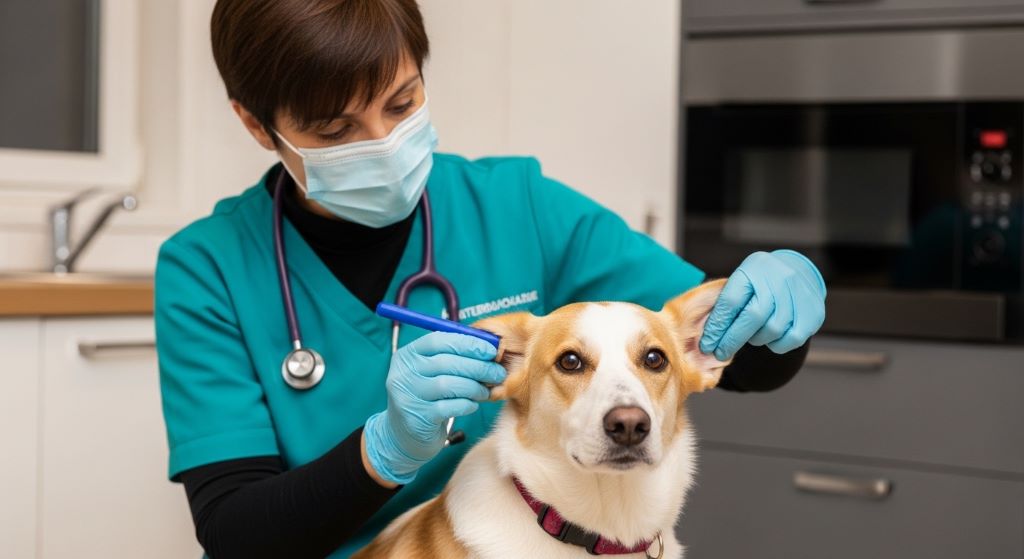
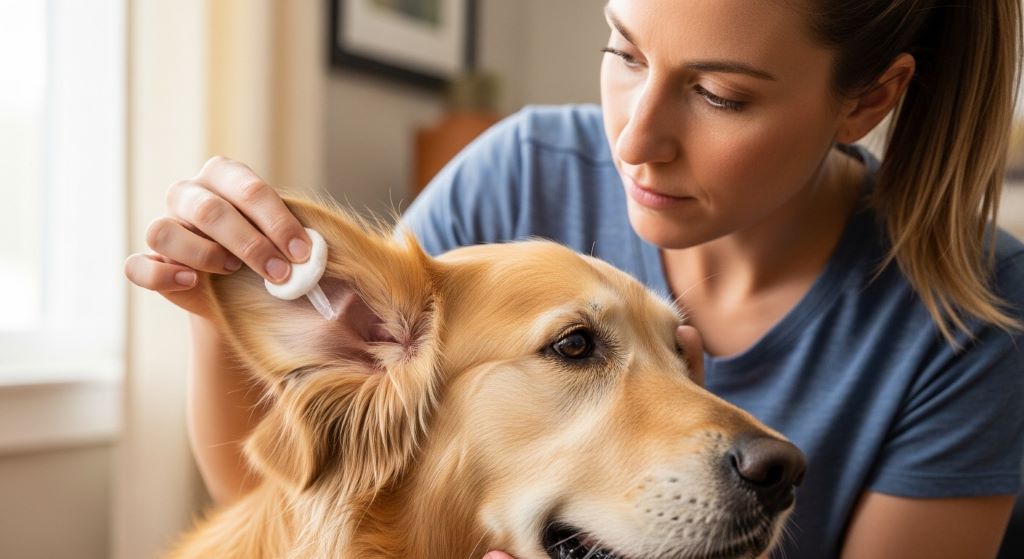
Gently fold back the ear flap and look inside. Healthy ears are light pink, slightly moist, and have little to no odor. If you see excessive dark discharge, blood, or swelling, stop and contact your vet. These could be signs of an infection or injury that needs professional care.
Step 3: Apply the Cleaning Solution
Hold the ear flap up with one hand. With the other hand, hold the bottle of ear cleaning solution at the opening of the ear canal. Squeeze enough solution to fill the canal, but do not let the tip of the bottle touch the ear. This prevents contamination of the bottle.
Step 4: Massage the Base of the Ear
After applying the solution, fold the ear flap back down. Gently massage the base of the ear for about 20 to 30 seconds. You will hear a soft squishing sound. This is completely normal. The massage helps loosen dirt, wax, and debris so they can move up toward the outer ear.
Step 5: Let Your Dog Shake
Allow your dog to shake its head. This is a natural reflex and actually helps bring the loosened debris out of the canal. Have your towel ready, as some liquid and debris may fly out.
Step 6: Wipe Away the Debris
Use a cotton ball or gauze pad to gently wipe the inside of the outer ear flap and the visible parts of the ear canal. Work from the inside out. Remove all visible debris, wax, and excess solution. However, only go as far as your finger can comfortably reach. Do not probe deeply.
Step 7: Reward Your Dog
Always end the session with praise and treats. This helps your dog associate ear cleaning with positive experiences. Over time, most dogs become much more cooperative during ear cleaning sessions.
Special Tips for Dogs Who Hate Ear Cleaning
Some dogs are very sensitive about their ears. If your dog struggles or tries to escape, do not force the cleaning. Instead, try desensitizing your dog gradually. Begin by simply touching the outer ear each day and rewarding your dog for staying calm.
Over several days, slowly progress to holding the ear flap and eventually applying a small amount of solution. Patience is key. Furthermore, if your dog remains extremely resistant, speak with your vet or a professional dog trainer for guidance.
Cleaning Ears in Dogs with Heavy Ear Hair
Certain breeds, such as Poodles and Schnauzers, grow hair inside the ear canal. This hair can trap moisture and increase the risk of infection. Therefore, some vets recommend removing this hair during grooming.
However, this is a task best left to a professional groomer or vet tech. Improper hair removal can cause inflammation and make the ear more vulnerable to infection. If you are unsure, always ask your vet before attempting this at home.
After-Cleaning Care and Observation
After cleaning your dog’s ears, observe them over the next day or two. The ears should look clean and smell neutral. Some mild redness right after cleaning is normal. However, if you notice increased redness, swelling, or your dog continues to scratch at their ears, schedule a vet appointment.
Additionally, keep your dog’s ears dry after baths and swimming. Moisture left inside the ear creates the perfect environment for bacteria and yeast to grow. You can use a soft cloth to gently dry the outer ear after water exposure.
When to See a Vet Instead of Cleaning at Home
Home ear cleaning is great for routine maintenance. However, there are times when you should skip home cleaning and go straight to the vet. These include:
- If you see blood or pus inside the ear
- If your dog cries out in pain when the ear is touched
- If there is a strong, foul smell that does not go away
- If your dog suddenly loses balance or walks in circles
- If you have already cleaned the ears but symptoms persist
Trying to clean an already infected ear can push bacteria deeper and make the infection worse. Therefore, when in doubt, always consult your veterinarian first.
Conclusion
Cleaning your dog’s ears does not have to be stressful. With the right tools, a gentle approach, and a little patience, it becomes a simple and rewarding routine. Start by understanding your dog’s ear anatomy and knowing the warning signs of infection. Gather vet-approved supplies, follow the step-by-step cleaning process, and always reward your dog afterward.
Regular ear maintenance helps prevent painful infections and keeps your dog comfortable and healthy. However, home cleaning is not a substitute for professional veterinary care. Always involve your vet if something looks or smells unusual. By staying consistent and calm, you and your dog will both feel confident during every ear cleaning session.
Frequently Asked Questions
- How often should I clean my dog’s ears? Most dogs benefit from ear cleaning once or twice a month. However, dogs with floppy ears, lots of ear hair, or who swim often may need weekly cleaning. Always ask your vet for a schedule tailored to your dog.
- Can I use water to clean my dog’s ears? Plain water is not recommended for ear cleaning. It does not break down wax effectively and can leave moisture behind, which encourages bacterial growth. Use a vet-approved ear cleaning solution instead.
- What happens if I clean my dog’s ears too often? Over-cleaning can strip away the natural oils that protect the ear canal. This may cause dryness, irritation, and even increase the risk of infection. Follow your vet’s recommended cleaning schedule.
- My dog keeps shaking their head after ear cleaning. Is that normal? Yes, some head shaking right after cleaning is perfectly normal. It helps remove loosened debris and excess solution. However, if head shaking continues for hours or days after cleaning, contact your vet.
- Can I use baby wipes to clean my dog’s ears? Most baby wipes are not safe for dog ears. They may contain fragrances, alcohol, or other chemicals that can irritate the sensitive skin inside the ear. Stick to cotton balls and vet-approved cleaning solutions.
Related Topics:
Best Dog Ear Cleaning Solution Homemade: Safe and Effective Recipes
Beyond Aesthetics: The Role of Floppy Ears in Dog’s Health