Dogs bark. That is perfectly natural. However, excessive barking can become a real problem for you, your neighbors, and even your dog. A rechargeable bark collar is one solution many pet owners turn to. But with so many options on the market, choosing the right one can feel overwhelming. This guide will walk you through everything you need to know. You will learn what to look for, what to avoid, and how to pick a collar that truly lasts.
Why Battery Life Matters More Than You Think
Many pet owners focus only on how a collar corrects barking. They overlook battery performance. That is a costly mistake. A collar that dies halfway through the day leaves your dog without any training support. Additionally, frequent charging becomes a hassle. Over time, a weak battery shortens the useful life of the entire device.
Therefore, battery capacity should be one of your first criteria. Look for collars with at least 200 to 300 mAh battery ratings. Some premium models offer even more. A good rechargeable bark collar should hold a charge for at least five to seven days under normal use. That kind of reliability makes training consistent and stress-free.
Understanding the Different Types of Correction Modes
Rechargeable bark collars do not all work the same way. Some use sound, some use vibration, and others use a mild static stimulation. Each method suits different dogs and different training goals. Knowing the difference helps you make a smarter choice.
Sound and Ultrasonic Collars
These collars emit a high-pitched tone when your dog barks. The sound is unpleasant to the dog but harmless. They are ideal for sensitive dogs. However, they may not work well in loud environments where the sound is hard to detect.
Vibration Collars
Vibration collars create a physical buzz on the dog’s neck. They are gentle and effective for many breeds. Additionally, they work well for dogs with hearing impairments. These collars tend to be safe and are widely recommended by trainers.
Static Stimulation Collars
These deliver a short, mild electric stimulation. The sensation is comparable to a static shock from touching a doorknob. They are more effective for stubborn or larger dogs. Nevertheless, you should always start at the lowest level and increase only if needed. Most quality models offer multiple intensity settings for this reason.
Key Features to Look for in a Long-Lasting Rechargeable Bark Collar
Not all rechargeable bark collars are built to last. Durability depends on several factors. Here are the most important features to evaluate before buying:
- Waterproof rating: Look for at least an IPX5 or IPX7 rating. Dogs get wet. Rain, puddles, and baths are part of daily life. A waterproof collar will survive much longer than one without protection.
- Build material: Nylon and silicone are common choices. Both are durable, easy to clean, and gentle on your dog’s skin. Avoid collars with thin plastic parts that can crack over time.
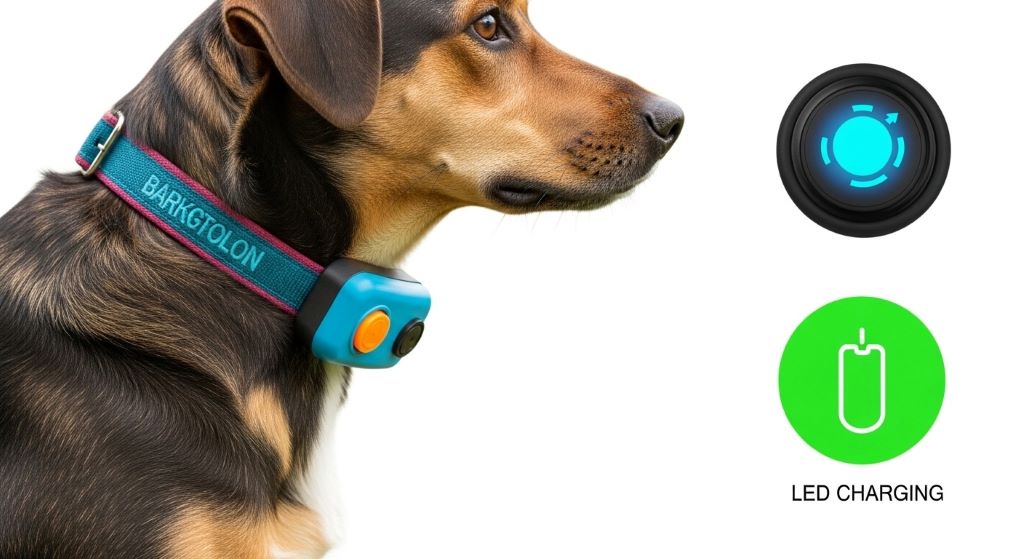
- Charging method: USB charging is the most convenient. Some collars use magnetic charging ports, which are more secure and less prone to moisture damage.
- Battery indicator: A low-battery warning light or LED indicator helps you stay on top of charging. You will never be caught off guard with a dead collar.
- Adjustable sensitivity: Your dog’s bark is unique. A collar with adjustable detection sensitivity ensures it responds to your dog’s bark and not to outside noises.
- Size and weight: The collar should be lightweight enough for your dog to wear comfortably all day. Heavy collars can cause irritation or reluctance to wear.
How to Match the Collar to Your Dog’s Size and Breed
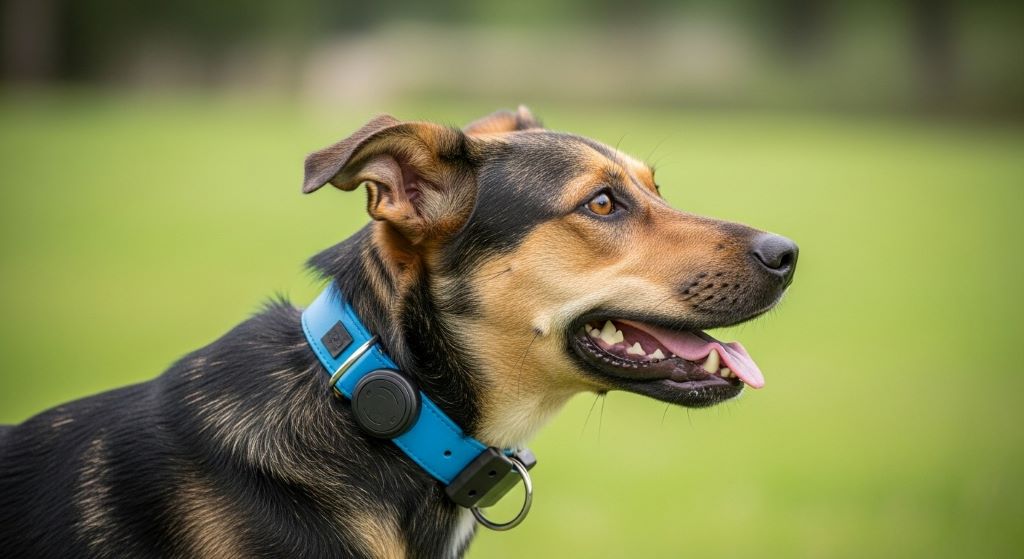
Size matters a great deal when choosing a bark collar. A collar made for a large dog will not sit correctly on a small breed. The contact points need to touch the skin firmly but gently. If they do not make proper contact, the collar will not work. If they press too hard, they can cause irritation.
For small dogs under 15 pounds, look for lightweight collars with low-intensity settings. Medium breeds between 15 and 50 pounds usually do well with vibration or sound collars. Large dogs over 50 pounds may need a collar with stronger correction modes and a sturdier build. Furthermore, thick-necked breeds like bulldogs may need a collar with extra-long contact probes to reach through dense fur.
Measure your dog’s neck before purchasing. Most collars list a neck size range on the packaging. Always choose one that fits within that range with a couple of inches to spare.
Tips for Extending the Life of Your Bark Collar
Even the best collar needs proper care. How you maintain it directly affects how long it lasts. Fortunately, a few simple habits can keep your collar in top shape for years.
Clean It Regularly
Dirt, moisture, and dog hair can clog the contact points and charging port. Wipe the collar down with a damp cloth every week. Use a small brush to clear debris around the probes. Keeping the collar clean ensures accurate detection and consistent corrections.
Charge Before It Fully Drains
Lithium batteries last longer when you avoid letting them drain completely. Try to recharge your collar when the battery drops to around 20 percent. This habit extends the total lifespan of the battery significantly.
Store It Properly
When the collar is not in use, store it in a cool, dry place. Avoid leaving it in direct sunlight or in hot cars. Excessive heat degrades the battery and can warp plastic components. A simple storage pouch or box works perfectly.
Safety Considerations You Should Never Ignore
Bark collars are training tools, not punishments. Using them correctly is essential for your dog’s wellbeing. There are a few safety rules every owner should follow.
First, never leave the collar on for more than eight to twelve hours a day. Prolonged wear can cause skin irritation, especially around the contact points. Second, check your dog’s neck regularly for redness, sores, or hair loss. If any of these appear, give the area time to heal before using the collar again.
Third, never use a bark collar on a puppy under six months old. Their nervous systems are still developing. Additionally, avoid using them on dogs with medical conditions, anxiety disorders, or hearing problems without consulting your vet first. A responsible approach to bark collar use always puts the dog’s safety above convenience.
What to Look for in Brand Reliability and Warranty Coverage
The brand behind the product matters. A reliable manufacturer will stand behind their collar with a solid warranty and good customer support. Look for brands that offer at least a one-year warranty. Some premium brands offer two years or more.
Read real customer reviews, not just the star rating. Look for patterns in the feedback. If many reviewers mention battery problems after a few months, that is a red flag. On the other hand, reviews praising long battery life and durable construction are encouraging signs.
Additionally, check if replacement parts are available. Some collars allow you to replace the contact probes or straps. That extends the collar’s life considerably and saves you money in the long run.
Comparing Budget vs. Premium Rechargeable Bark Collars
Budget collars often range from fifteen to thirty dollars. They can work adequately for mild barking issues and small dogs. However, they tend to have weaker batteries, fewer correction modes, and shorter overall lifespans.
Premium collars typically cost between fifty and one hundred and fifty dollars. They usually offer better waterproofing, stronger batteries, more sensitive detection, and longer warranties. Therefore, if you plan to use the collar regularly, investing in a higher-quality model often makes more financial sense over time.
Mid-range collars in the thirty to sixty dollar range strike a good balance for most pet owners. They offer dependable performance without breaking the budget. Focus on getting the right features rather than simply the lowest price.
Conclusion
Choosing a rechargeable bark collar that lasts longer comes down to a few key decisions. Start by prioritizing battery life and build quality. Match the collar’s size and correction mode to your dog’s breed and temperament. Look for waterproofing, adjustable sensitivity, and a reliable warranty. Take care of the collar through regular cleaning and smart charging habits. Above all, always use the collar responsibly and with your dog’s safety in mind.
A well-chosen bark collar is a valuable training tool. It helps create a calmer, happier environment for your dog and your entire household. With the right information, you can make a confident choice that serves both you and your dog for years to come.
Frequently Asked Questions
1. How long does a rechargeable bark collar battery typically last?
Most good-quality rechargeable bark collars last between five and ten days on a single charge under normal use. However, battery life varies based on how often your dog barks and what correction mode is active. Static stimulation modes use more power than sound or vibration modes.
2. Are rechargeable bark collars safe for all dog breeds?
Rechargeable bark collars are generally safe for most breeds when used correctly. However, they are not recommended for puppies under six months, dogs with health conditions, or highly anxious dogs. Always consult your veterinarian before using one on a dog with known behavioral or medical issues.
3. Can a bark collar go off due to other dogs barking nearby?
Some lower-quality bark collars can trigger from surrounding noise or other dogs. That is why adjustable sensitivity settings are important. Better models use dual-detection technology that combines sound sensing with vibration detection from the dog’s vocal cords, which greatly reduces false triggers.
4. How do I know when to replace my bark collar?
Signs that your bark collar needs replacing include a battery that no longer holds a charge, cracked or corroded contact probes, a faulty sensor that triggers randomly, or a broken strap that cannot be repaired. If the collar is more than two to three years old and showing these signs, a replacement is likely more cost-effective than repairs.
5. Is it okay to use a bark collar as the only form of training?
A bark collar works best when combined with positive reinforcement training. It can help interrupt unwanted barking, but it does not teach your dog what to do instead. Pairing the collar with reward-based training methods creates faster, more lasting results. Many professional trainers recommend using bark collars as a complement to, not a replacement for, proper obedience training.
Related Topics:
How to Choose the Best Leather Dog Collars: A Comprehensive Guide
How to Clean Dog Collars: A Complete Guide for Pet Owners