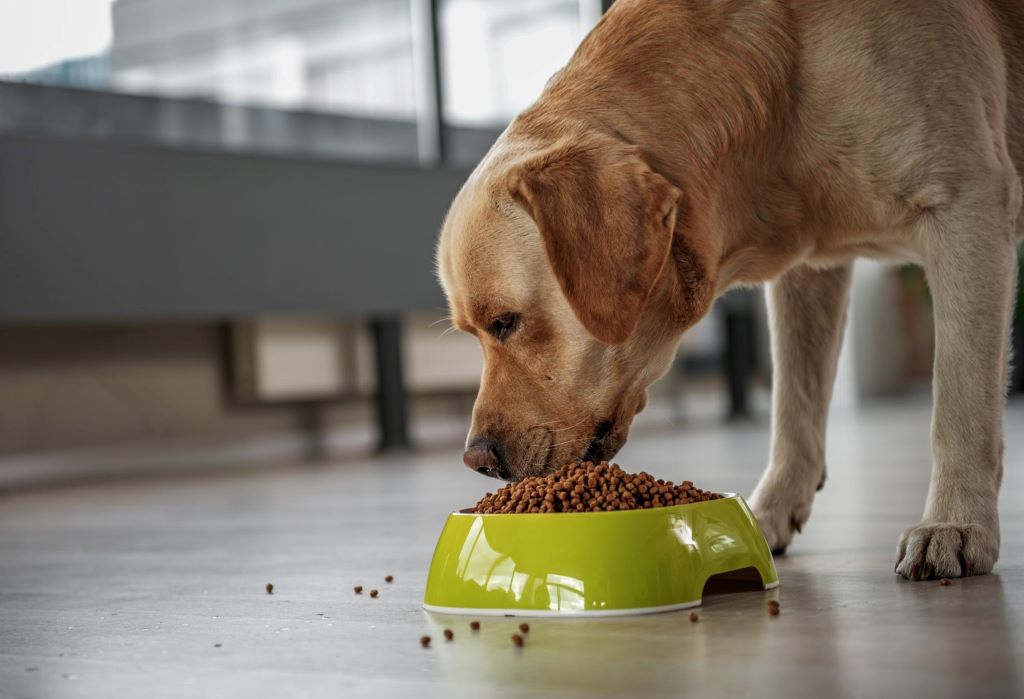

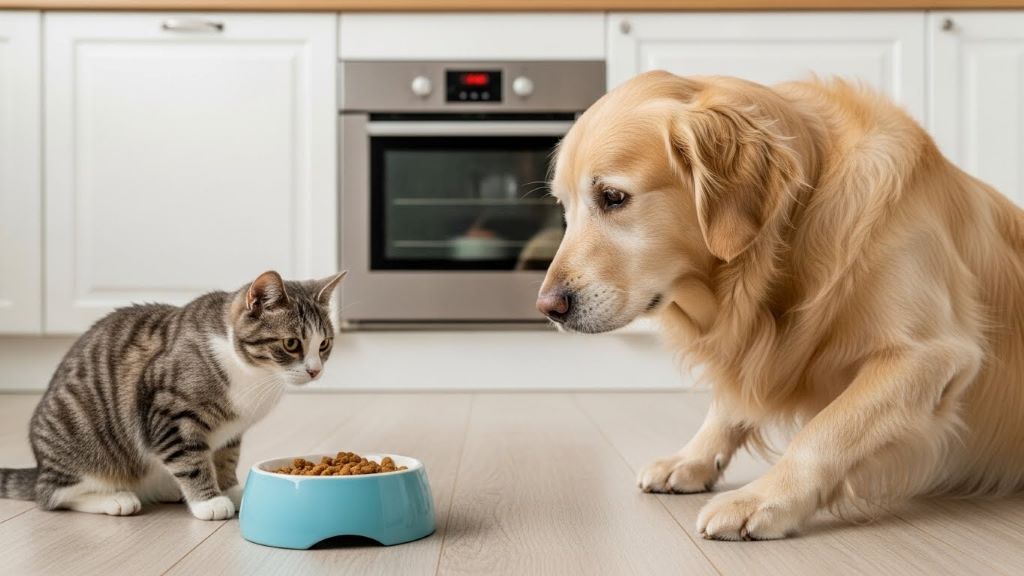
Many dog owners have caught their senior pets sneaking bites from the cat’s bowl. This raises an important question about whether older dogs can safely consume cat food. While an occasional nibble usually won’t cause harm, making cat food a regular part of your senior dog’s diet can lead to serious health complications.
Understanding the Nutritional Differences
Cat food and dog food are formulated differently because cats and dogs have distinct nutritional needs. Cats are obligate carnivores, meaning they require meat to survive. Dogs, however, are omnivores and need a more balanced diet that includes proteins, carbohydrates, and vegetables.
Cat food contains significantly higher levels of protein and fat compared to dog food. Additionally, cat food is enriched with taurine, an amino acid that cats cannot produce on their own but dogs can synthesize naturally. These formulation differences make cat food inappropriate for long-term canine consumption.
Why Senior Dogs Are More Vulnerable
Older dogs face unique health challenges that make cat food particularly problematic. As dogs age, their organs don’t function as efficiently as they once did. Their kidneys and liver work harder to process nutrients, and their digestive systems become more sensitive.
Senior dogs often develop conditions like kidney disease, diabetes, or pancreatitis. The high protein and fat content in cat food can exacerbate these existing health problems. Therefore, feeding cat food to an aging dog puts unnecessary strain on already compromised systems.
Short-Term Effects of Cat Food Consumption
If your senior dog eats cat food occasionally, you might notice some immediate digestive upset. Common symptoms include vomiting, diarrhea, and stomach discomfort. These reactions occur because the dog’s digestive system struggles to process the rich, fatty composition of cat food.
Moreover, the high calorie density of cat food can lead to rapid weight gain. Senior dogs typically have slower metabolisms and reduced activity levels. Consequently, even small amounts of cat food can contribute to obesity, which compounds other age-related health issues.
Long-Term Health Risks for Senior Dogs
Regular consumption of cat food poses serious long-term dangers for older dogs. The excessive protein levels force the kidneys to work overtime filtering waste products. This is especially concerning for senior dogs, as kidney function naturally declines with age.
The elevated fat content in cat food can trigger pancreatitis, a painful and potentially life-threatening inflammation of the pancreas. Senior dogs are already at higher risk for this condition. Furthermore, the imbalanced nutrition can lead to deficiencies in essential nutrients that dogs need but cat food doesn’t adequately provide.
According to the American Kennel Club, dogs require specific nutritional profiles that differ significantly from cats, making species-appropriate food essential for maintaining health throughout their lives.
Kidney and Liver Concerns
The kidneys play a crucial role in filtering toxins and maintaining fluid balance. When senior dogs consume high-protein cat food regularly, their kidneys must process excessive amounts of nitrogen waste. This accelerated workload can hasten the progression of chronic kidney disease.
Similarly, the liver metabolizes the high fat content found in cat food. An aging liver may struggle with this demand, potentially leading to hepatic lipidosis or other liver complications. These conditions can significantly reduce your senior dog’s quality of life and longevity.
Weight Management Challenges
Maintaining a healthy weight becomes increasingly difficult as dogs age. Their metabolism slows down, and they typically become less active. Cat food contains approximately 30 to 40 percent more calories per cup than most dog foods.
This caloric density means that even small portions can lead to weight gain. Obesity in senior dogs contributes to joint problems, heart disease, and diabetes. Therefore, avoiding high-calorie foods like cat food becomes essential for weight management in older dogs.
What to Do If Your Dog Eats Cat Food
If you discover your senior dog has eaten cat food, don’t panic immediately. A single incident typically won’t cause lasting harm. However, monitor your pet closely for signs of digestive distress such as vomiting, diarrhea, or lethargy.
Contact your veterinarian if symptoms persist beyond 24 hours or if your dog seems particularly uncomfortable. Additionally, take steps to prevent future access by placing cat food in elevated locations or feeding cats in separate rooms.
Preventing Access to Cat Food
The best strategy is prevention. Feed your cats and dogs in different areas of your home. You might consider using baby gates or feeding cats on elevated surfaces that dogs cannot reach.
Scheduled feeding times also help reduce temptation. Instead of leaving cat food available throughout the day, offer measured portions at specific times. Remove any uneaten food promptly to eliminate opportunities for your dog to sneak a meal.
Proper Nutrition for Senior Dogs
Senior dogs require specially formulated diets that address their changing needs. Look for dog food labeled specifically for senior or mature dogs. These formulations typically contain moderate protein levels, reduced calories, and added joint support supplements.
Consult with your veterinarian about the best dietary choices for your aging pet. They can recommend foods based on your dog’s specific health conditions, weight, and activity level. Regular check-ups ensure that nutritional needs are met appropriately throughout your dog’s golden years.
Special Dietary Considerations
Many senior dogs develop food sensitivities or allergies as they age. Some require prescription diets to manage chronic conditions like kidney disease or diabetes. These specialized foods are carefully balanced to support compromised organ systems.
If your senior dog has been diagnosed with any health conditions, following veterinary dietary recommendations becomes even more critical. Cat food will almost certainly conflict with these therapeutic diets and could undermine medical treatment efforts.
Addressing Picky Eating in Senior Dogs
Some owners turn to cat food because their senior dogs become picky eaters. However, this creates more problems than it solves. Instead, try warming your dog’s regular food slightly to enhance aroma and palatability.
You can also add small amounts of low-sodium chicken broth or plain cooked chicken to make meals more appealing. Additionally, ensure dental health isn’t causing eating difficulties, as tooth pain can make older dogs reluctant to eat.
When to Consult Your Veterinarian
Schedule a veterinary appointment if your senior dog consistently refuses their regular food or shows interest in unusual food sources like cat food. Changes in appetite can indicate underlying health problems that require attention.
Your veterinarian can perform blood work and other diagnostic tests to identify any medical issues. They can also provide guidance on appropriate food options and feeding strategies tailored to your senior dog’s needs.
Conclusion
While senior dogs might find cat food tempting, it should not become part of their regular diet. The high protein and fat content poses serious health risks, particularly for aging dogs with compromised organ function. Short-term effects include digestive upset and weight gain, while long-term consumption can damage kidneys, trigger pancreatitis, and create nutritional imbalances.
Prevention through strategic feeding arrangements remains the best approach. By keeping cat food inaccessible and providing appropriate senior dog nutrition, you can protect your aging companion’s health. Always consult your veterinarian about proper dietary choices to ensure your senior dog receives the balanced nutrition they need for a healthy, comfortable life.
Frequently Asked Questions
What should I do if my senior dog ate a lot of cat food?
Monitor your dog closely for the next 24 hours for signs of vomiting, diarrhea, or lethargy. Ensure they have access to plenty of fresh water. If symptoms develop or persist, contact your veterinarian immediately for guidance.
Can cat food cause kidney failure in older dogs?
Regular consumption of cat food can accelerate kidney disease progression in senior dogs due to excessive protein levels. While a single incident won’t cause kidney failure, chronic exposure puts significant strain on already aging kidneys.
Why does my senior dog prefer cat food over dog food?
Cat food has higher fat content and stronger aromas, making it more palatable to dogs. However, preference doesn’t indicate nutritional appropriateness. Senior dogs may also prefer cat food if they’re experiencing dental pain or decreased sense of smell.
How much cat food is too much for a senior dog?
Any regular consumption of cat food is too much for senior dogs. While an occasional stolen bite won’t cause lasting harm, cat food should never replace or supplement regular dog food in your senior pet’s diet.
Are there any circumstances where senior dogs can eat cat food safely?
Generally, no. Cat food is formulated specifically for feline nutritional requirements and isn’t appropriate for dogs of any age. If your senior dog has specific dietary needs, consult your veterinarian for proper dog food recommendations rather than substituting cat food.
Related Topics:
Rachael Ray Nutrish Wet Dog Food – Savory Variety Pack Review
Purina ONE Lamb & Rice Dry Dog Food – 31.1 lb Bag Review